SQM treatments in asparagus: cycles and requirements
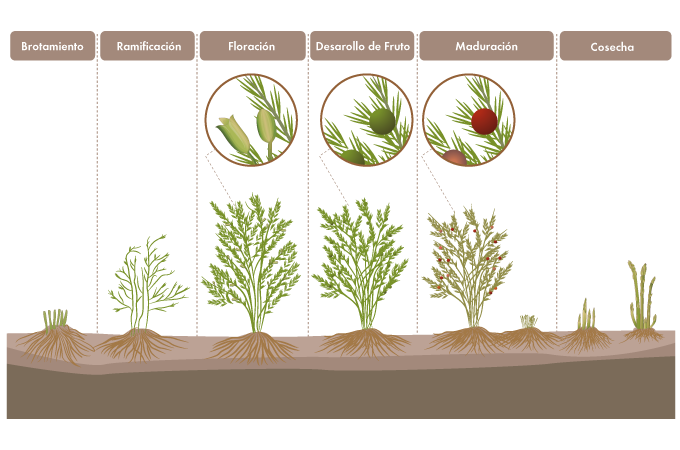
The production cycle of asparagus (Asparagus officinalis) depends on the variety, climatic conditions, and agronomic management applied.
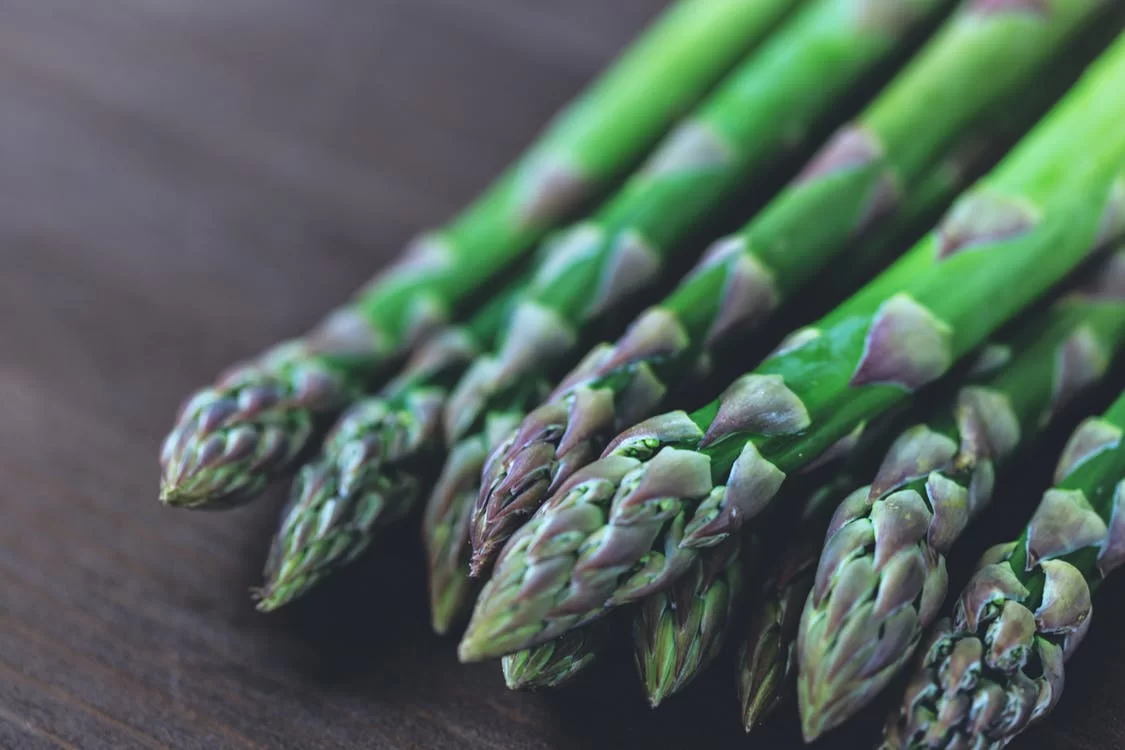
Main characteristics
This crop prefers long days and high light intensity, although light does not have a direct effect on shoot growth. The optimum temperature for growth is 19°C ± 7°C, while in cold areas, below 10–15°C, growth is affected.
The lifespan of asparagus varies between 6 and 12 years, depending on the number of harvests per season. With a single annual harvest, it can reach between 8 and 10 years, while with two harvests per year, the lifespan is reduced to 6 or 7 years.
The plant has an aerial part or frond (stems, branches, leaves, flowers, fruits, and seeds) and an underground part, made up of main roots—which store carbohydrates—rootlets—which absorb water and nutrients—and the crown or rhizome, where the vegetative buds that produce the shoots, the edible part, originate.
The plant’s yield is directly linked to the reserves accumulated in the main roots during the previous season, rather than to photosynthesis during the current season. Therefore, management of the aerial part is essential to ensure a good harvest the following year.
As for the soil, asparagus adapts to a wide range, although it performs best in loamy and sandy loam soils that are loose, deep, and well-drained. While it tolerates some salinity, it is susceptible to acidic soils, which makes constant pH monitoring necessary.
Related newsSee all news →
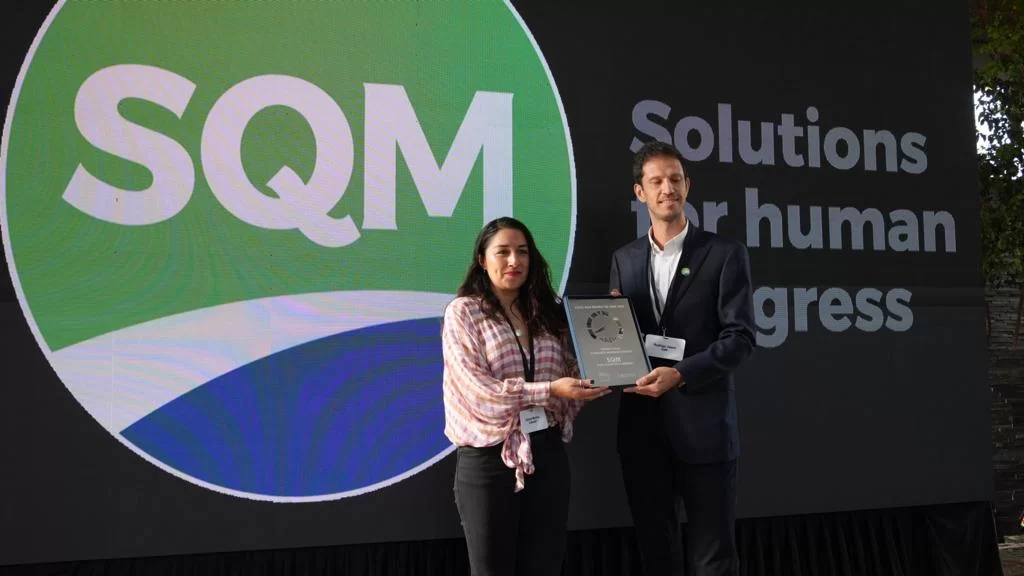
 SQM recibe reconocimiento por contar con unas de las flotas de transporte más seguras de Chile
Rate certificates
Beginning with tax year 2020, Professional Fees Certificates must be requested by email, indicating your name and national identity card number.
Email us at [email protected] to access this information.

Supplier consultation
Dear suppliers:
If you have any questions regarding Purchase Orders (POs), please send us the document in PDF or JPG format (photograph) to the following email address: [email protected].
Please ensure that the PO is legible, especially the following fields: Company Name, order number, and the buyer’s name and contact details.
We will respond to your inquiries within 24 hours.