Our ProductsOur Resources
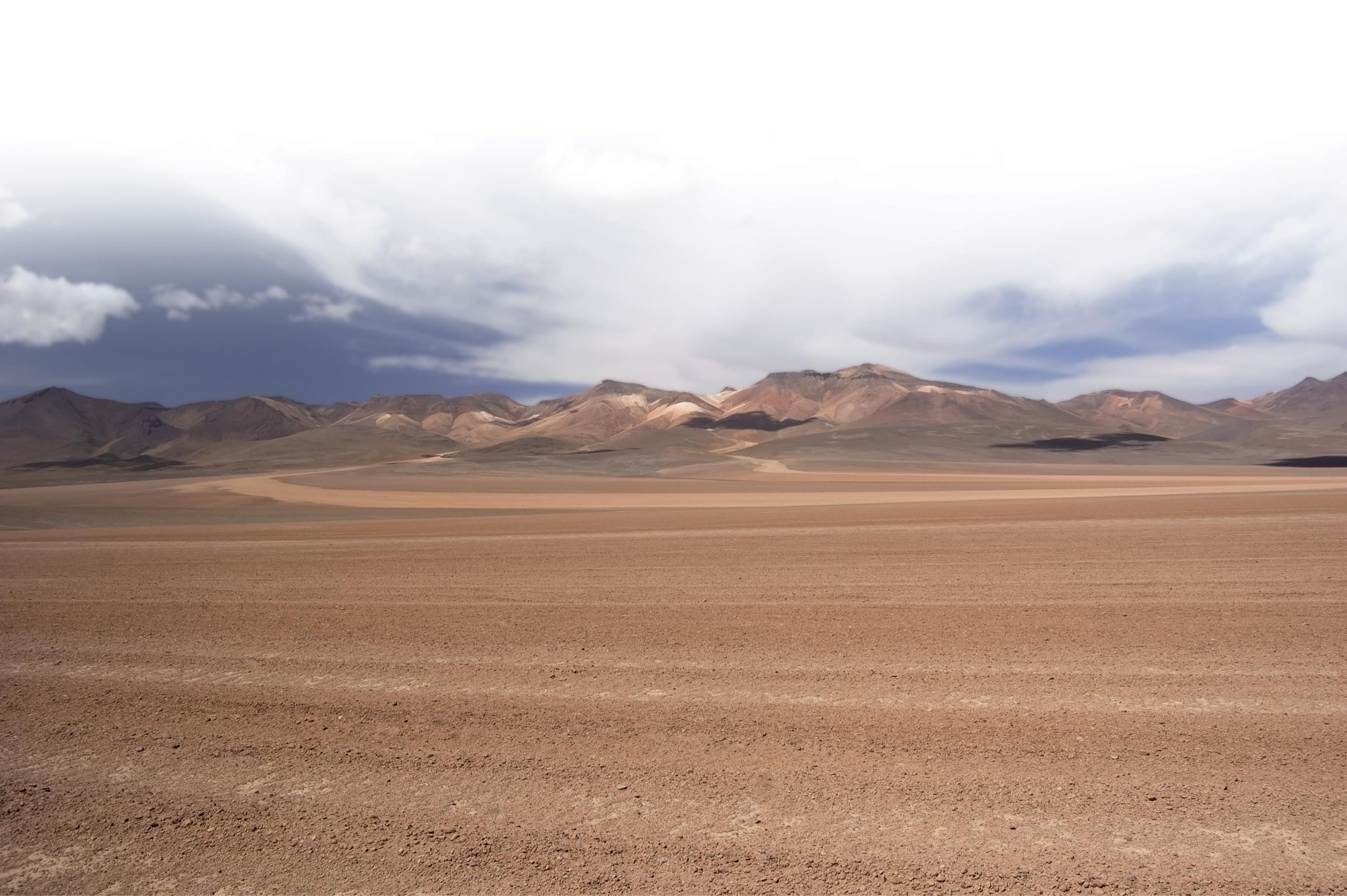
The Atacama Desert, located between the Arica and Parinacota, Tarapacá, Antofagasta, and Atacama regions, boasts the world’s largest and finest reserves of caliche and brine.
SQM Iodine Plant Nutrition has exclusive access to the most extensive reserves of these minerals, as well as iodine and nitrate, and also to the highest concentrations of lithium and potassium on record.
Starting in 2017, a process of geographic diversification began, which has already resulted in the acquisition of new resources for lithium mining based on spodumene in Western Australia (in partnership with Kidman Resources).
CALICHE ORE
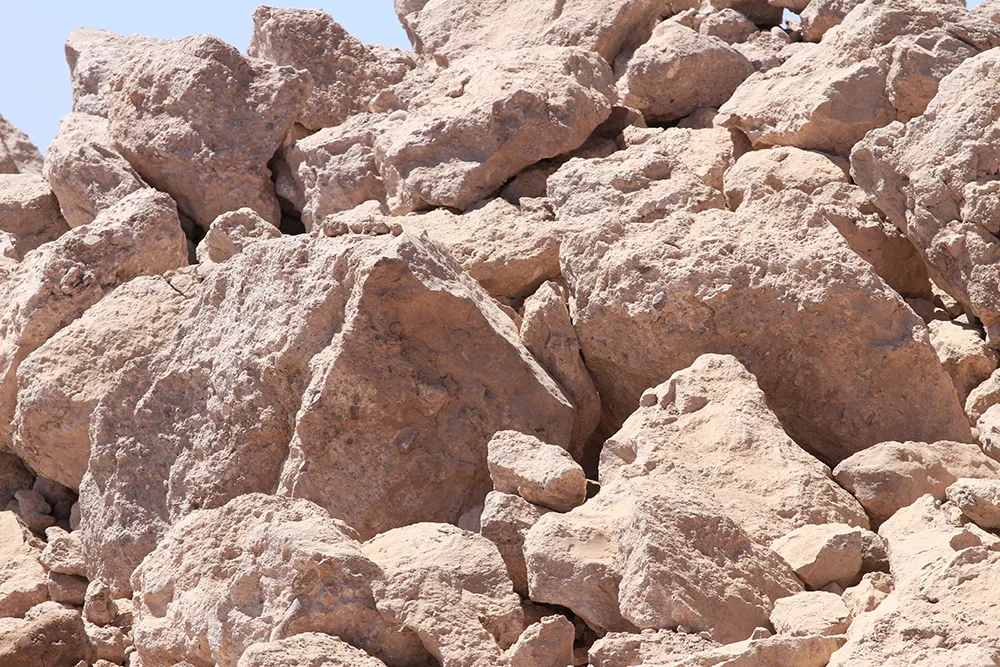
The word caliche derives from the Quechua word «cachi,» which in that language means salt. The term evolved first into «calchi,» until it became «caliche,» which is how it is known today.
The caliche ore deposits of northern Chile contain the largest known nitrate and iodine deposits in the world and are the only commercially exploited source of natural nitrate.
From our caliche ore deposits, we produce a wide range of nitrate-based products used as specialty plant nutrients and in industrial applications, as well as iodine and its derivatives.
The caliche ore is found beneath an infertile overburden layer, with thicknesses ranging from twenty centimeters to five meters.
BRINES
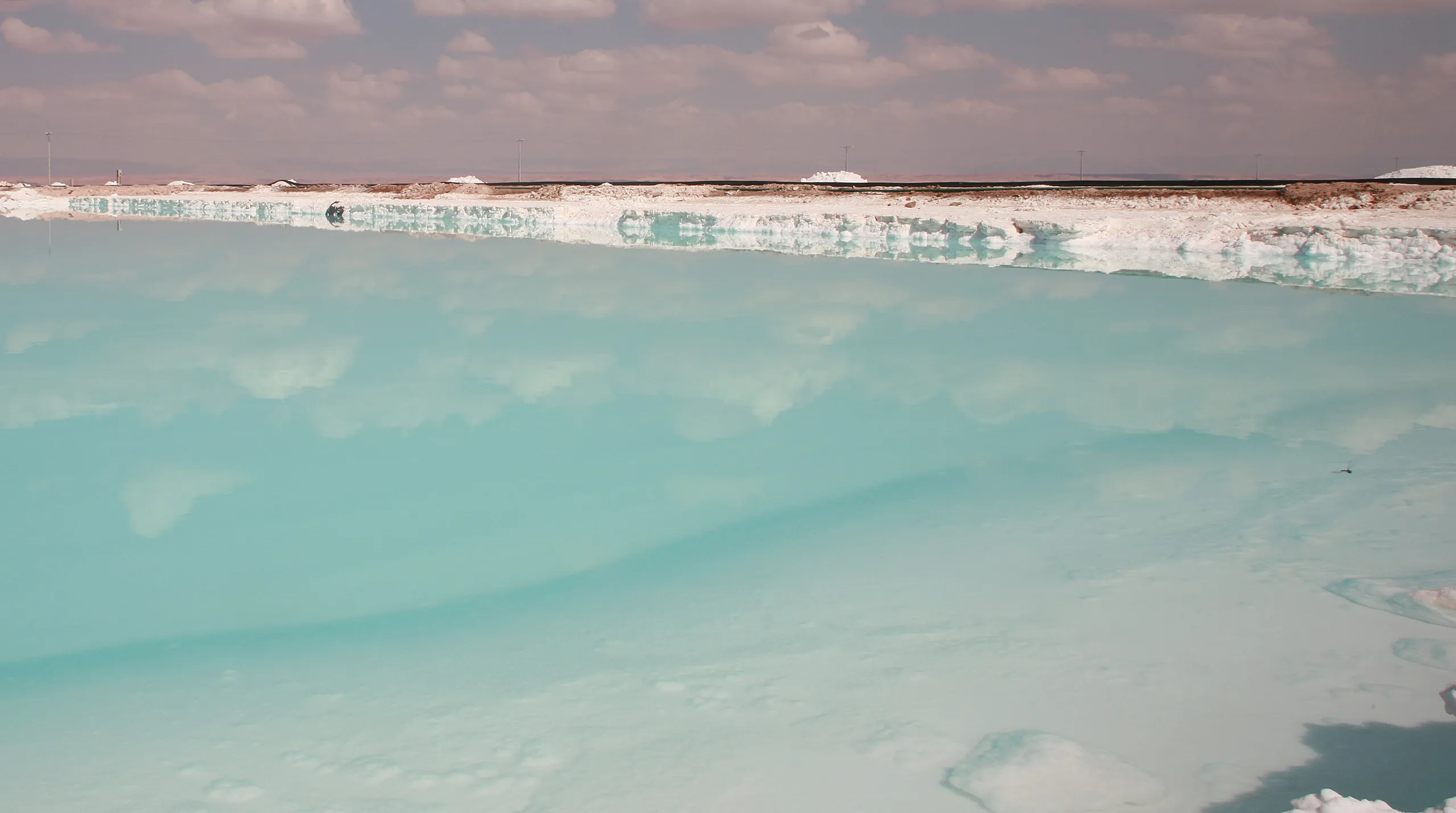
The brines are found in the core of the Atacama Salt Flat and contain the highest concentrations of lithium and potassium known to date, as well as considerable concentrations of sulfate and boron.
From this natural resource, lithium carbonate, potassium chloride, potassium sulfate, boric acid, and magnesium chloride are produced.
The Atacama Salt Flat is a source of underground brines, formed by natural leaching from the Andes Mountains. Over time, the various minerals found beneath the salty surface crust have descended from the mountains and accumulated in increasing concentrations.
In addition to the high concentrations in its brines, the Atacama Salt Flat has several other advantages:
- It allows for low processing costs due to its reduced magnesium content.
- It has higher evaporation rates than other salt flats in the world.
- It allows for year-round operation thanks to its favorable climatic conditions.
Production processes
At SQM Iodine Plant Nutrition, we have technological development and proven experience of more than 30 years to carry out highly efficient production processes in each of our business lines.
NITRATES
We have state-of-the-art technology and proven experience to carry out highly efficient production processes in each of our business lines.
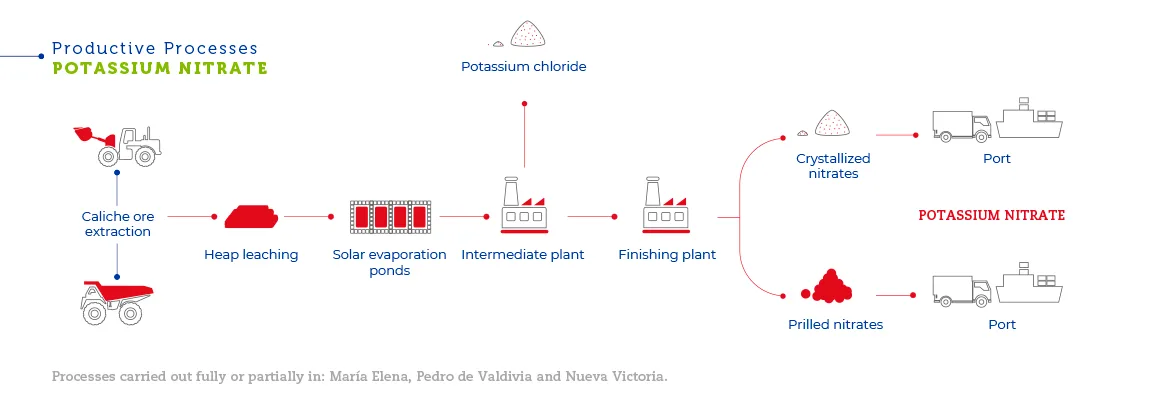
The potassium nitrate production process begins with the extraction of caliche ore, which is transported to leaching heaps. There, a solution is applied to dissolve the soluble components.
These mineral-rich solutions are channeled to solar evaporation ponds, where, thanks to the desert climate, the compounds naturally concentrate through water evaporation.
Once concentrated, the solutions pass through an intermediate products plant, where potassium chloride is added to form potassium nitrate.
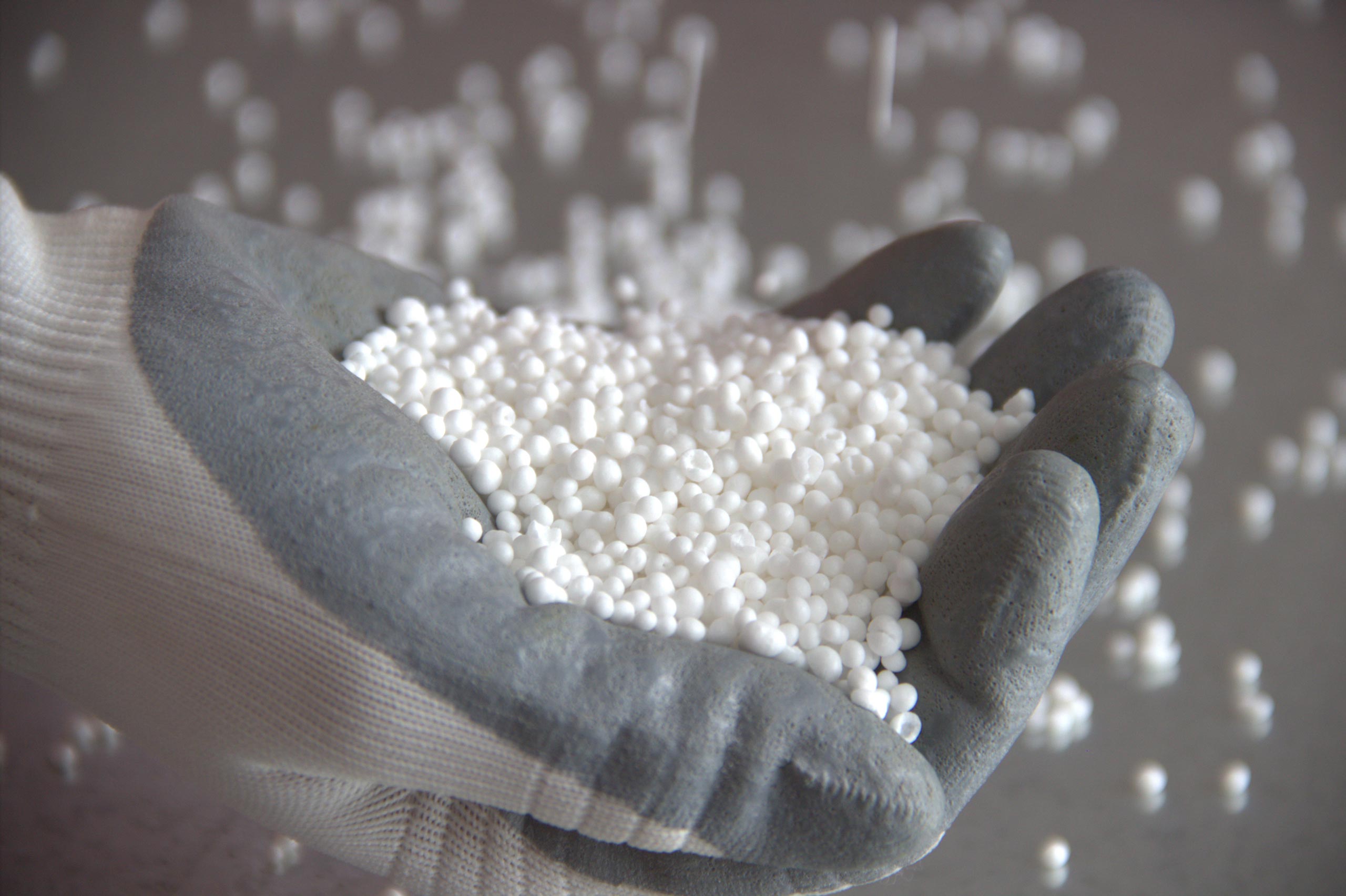
This mixture then proceeds to the finished products plant, where the nitrate is produced in two forms: crystalline nitrate and prilled nitrate (small spheres).
Finally, both types of products are transported to the port, ready for export and use in applications such as high-efficiency fertilizers.
POTASSIUM
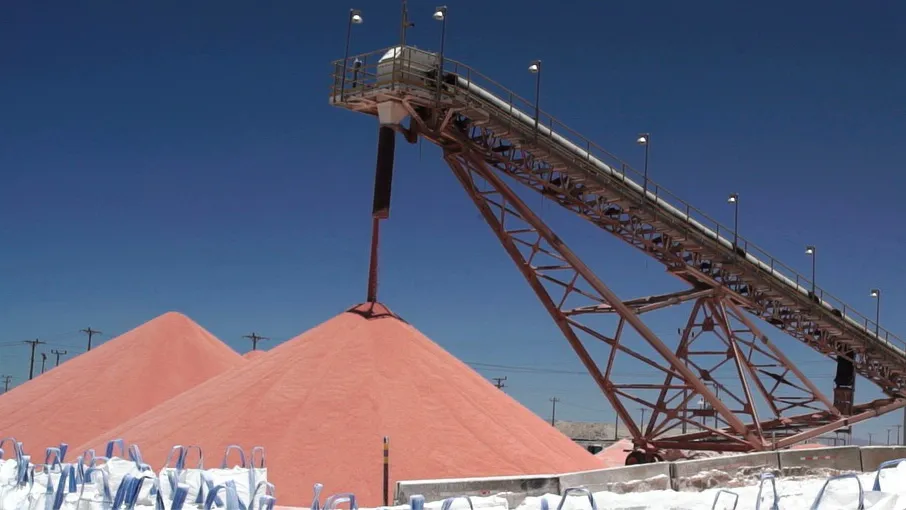
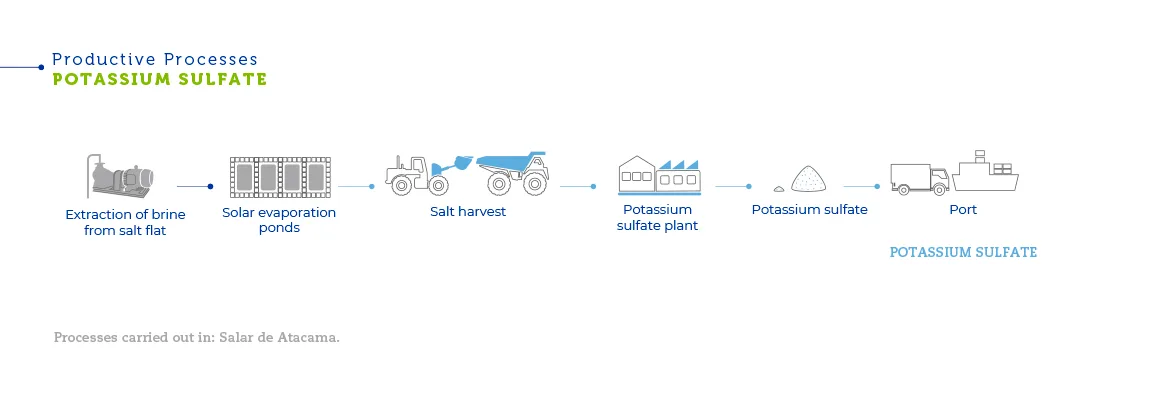
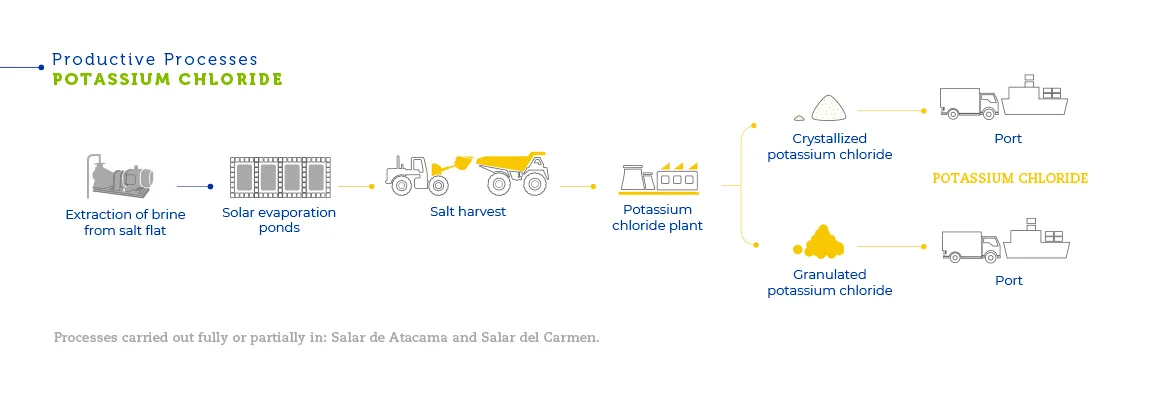
The brines extracted from the Atacama Salt Flat are deposited in solar evaporation ponds, where concentrated brines and salts are obtained using solar energy.
The concentrated brines are then reinjected into the salt flat’s underground deposits.
The salts deposited in the evaporation ponds are harvested and transported.
Potassium chloride, potassium sulfate, and boric acid are then obtained through grinding, flotation, drying, and compaction processes.
LITHIUM AND DERIVATIVES
The Atacama Salt Flat contains the world’s largest and best lithium reserves derived from brines.
These brines are located in the core of the Atacama Salt Flat, a saline body containing brine deposits generated by water seepage from the subsoil of the Andes Mountains.
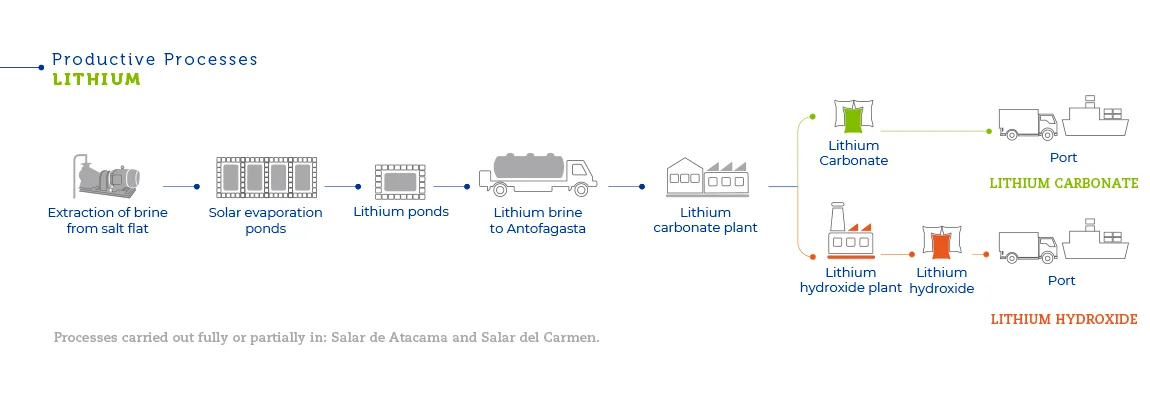
Lithium carbonate and lithium hydroxide are produced from lithium chloride solutions obtained in the Atacama Salt Flat as a byproduct of potassium chloride production.
These solutions are subsequently processed to produce lithium carbonate and lithium hydroxide at a plant located in the Salar del Carmen, near Antofagasta.
IODINE AND DERIVATIVES
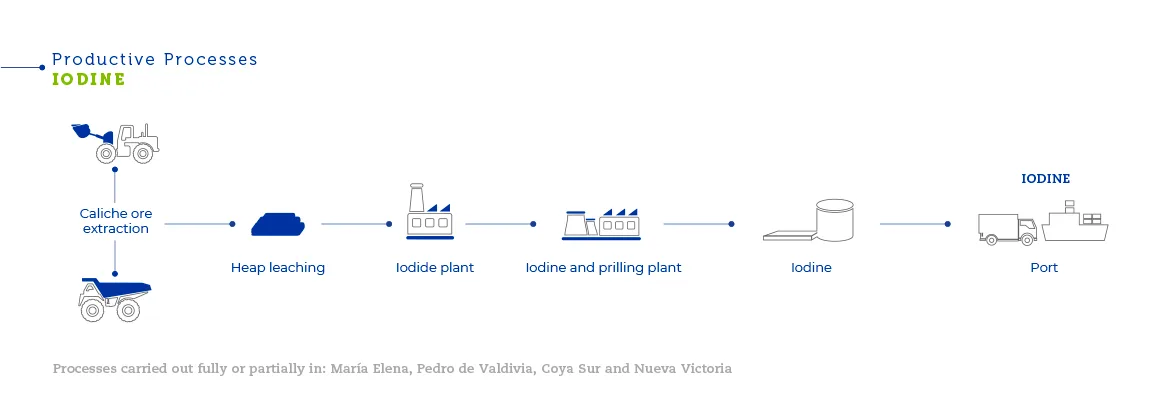
The solutions resulting from the caliche ore leaching process at the Pedro de Valdivia, María Elena, and Nueva Victoria plants are used to produce iodine from the iodate they contain.
Variations in the iodine content and other chemical components in the treated ore, as well as other operational parameters, require a high level of specialized knowledge to manage the process efficiently.
The caliche leaching solutions contain iodine in the form of iodate. Part of the iodate in the solution is reduced to iodide using sulfur dioxide, which is produced by burning sulfur.
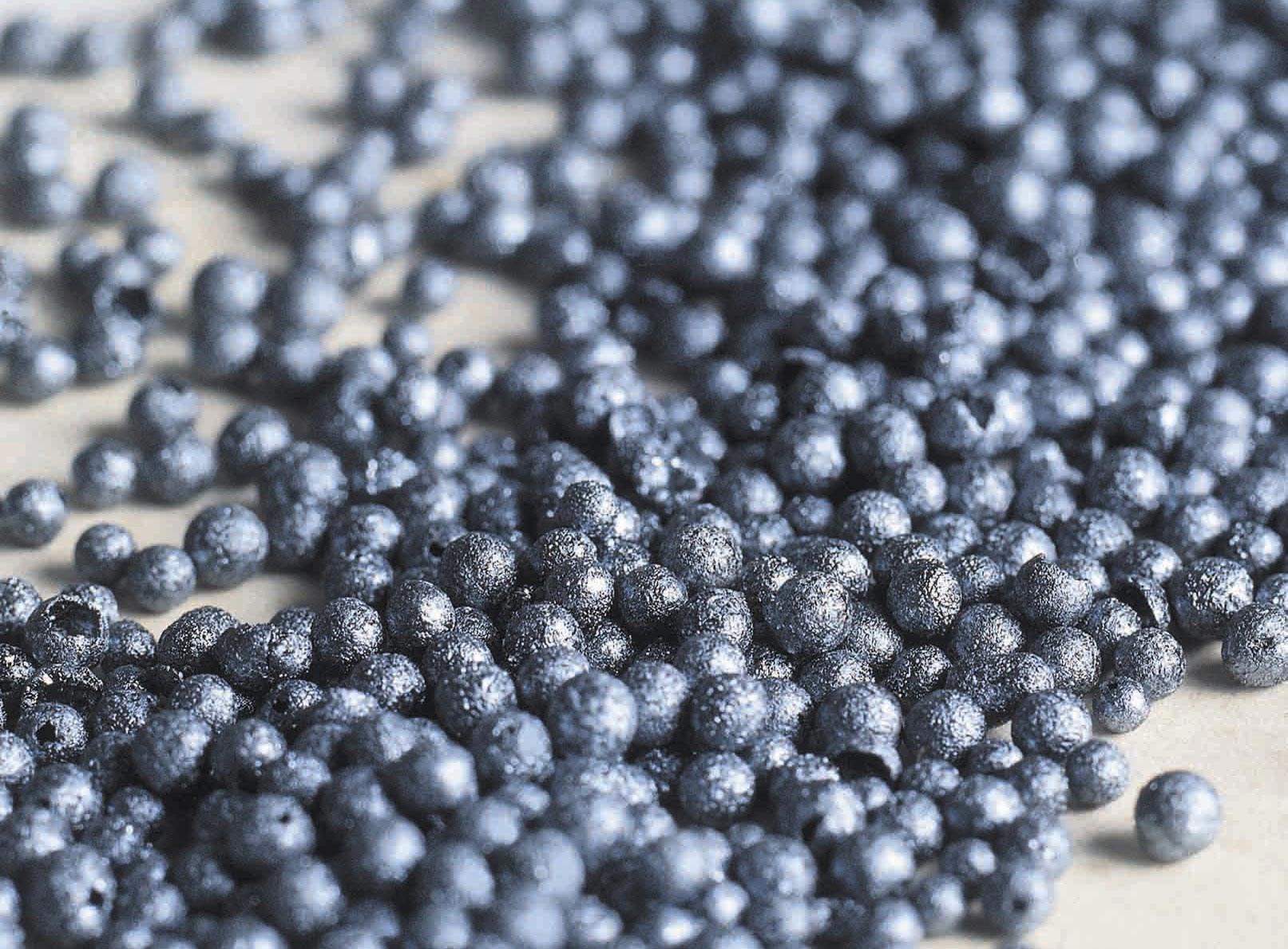
The resulting iodide is combined with the remaining original iodate solution to release elemental iodine. The solid iodine is then refined through a smelting and prilling process. SQM has obtained patents in Chile and the United States for its iodine prilling process.
Frequently Asked Questions
Other productsAll products →

Rate certificates
Beginning with tax year 2020, Professional Fees Certificates must be requested by email, indicating your name and national identity card number.
Email us at [email protected] to access this information.
Supplier consultation
Dear suppliers:
If you have any questions regarding Purchase Orders (POs), please send us the document in PDF or JPG format (photograph) to the following email address: [email protected].
Please ensure that the PO is legible, especially the following fields: Company Name, order number, and the buyer’s name and contact details.
We will respond to your inquiries within 24 hours.