Agriculture in the Oases of the North: These Projects Seek to Recover Crops and Strengthen Communities
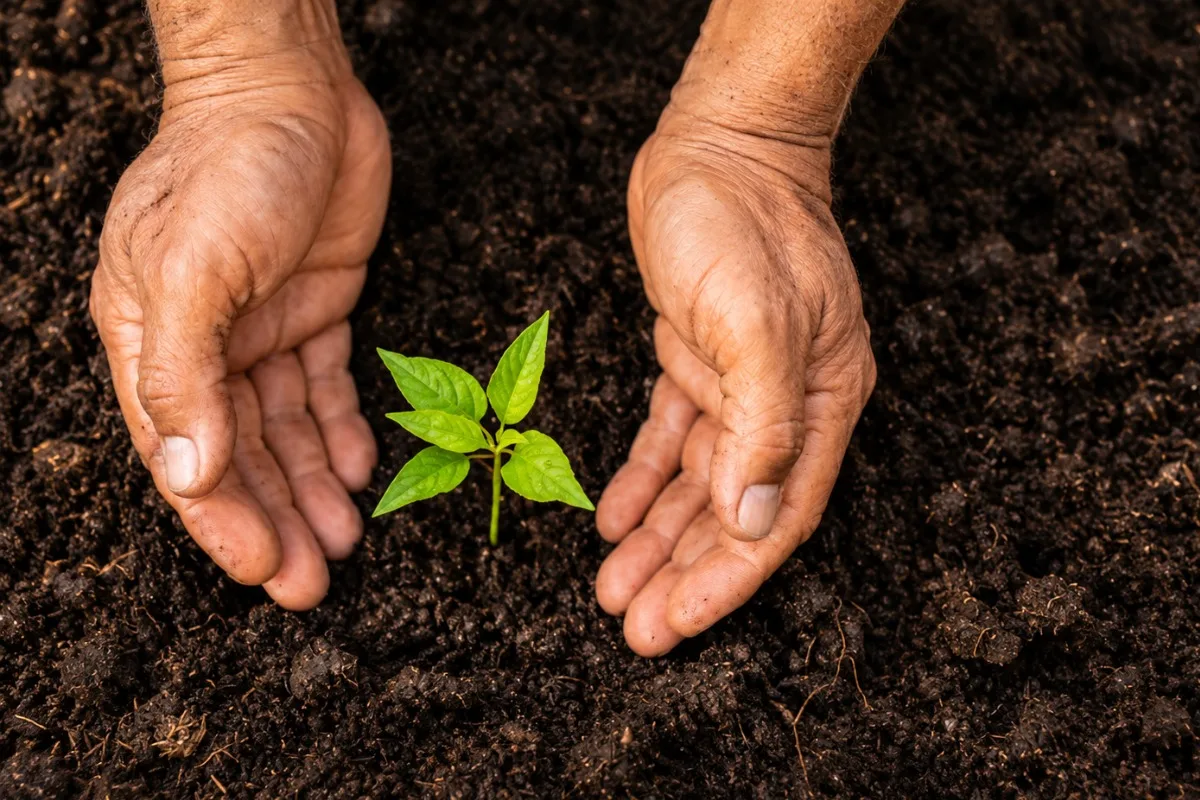
In different localities in northern Chile, agriculture continues to be part of the identity and economy of communities. The recovery of traditional crops, hydroponic production, and the development of high-altitude vineyards show how collaboration between farmers and institutions can open up new production opportunities in the desert.
In territories where water is limited, maintaining agricultural activity requires investment, technical knowledge, and the participation of those who know local conditions. Some initiatives developed in the Tarapacá and Antofagasta regions show how these elements come together.
One example is the Atacama Tierra Fértil program from SQM, which has worked with communities in the north on projects related to agriculture, crop recovery, and the development of production capacities.
The initiative began in 2008 and has included experiences in Quillagua, Toconao, Socaire, and other localities near the Salar de Atacama.
Recovering Agriculture Also Means Preserving Traditions
Among the documented experiences is Ayllu high-altitude wine, produced in the area around San Pedro de Atacama, at more than 2,600 meters above sea level.
Wine production in these conditions presents particular challenges. Temperature differences between day and night, solar radiation, and water availability influence vineyard management.
The project is of interest because it connects an agricultural activity with the local production heritage. Winemaking makes it possible to explore commercial opportunities associated with territorial origin, although its viability depends on factors such as costs, sales channels, and the continuity of production.
Another experience is the recovery of garlic cultivation in the Santiago de Río Grande indigenous community. According to historical information from the Atacama Tierra Fértil program, the project addressed a decline in plantings associated with sanitary problems.
Recovering these crops requires technical work, but also local knowledge about agricultural cycles and the characteristics of the territory.
Hydroponics and New Ways of Producing
Hydroponics has found a place in desert agricultural initiatives because it makes it possible to directly manage the nutrient supply and grow crops in controlled facilities.
In Quillagua, SQM documented the implementation of a 1,000-square-meter hydroponic greenhouse that incorporated an energy supply from photovoltaic panels. The project is part of the historical experiences of collaboration with communities in the north.
This type of infrastructure can facilitate production in places where soils have restrictions, although it requires training to control water quality, equipment operation, and the composition of nutrient solutions.
SQM also records agricultural initiatives in the Pintados Colony, water management projects in Quillagua, and agricultural research activities in Pozo Almonte.
The value of these experiences should be assessed by considering their continuity and the effective participation of communities. A production facility can expand agricultural possibilities, but it needs maintenance and local capacities to sustain itself.
In the oases of the north, that continuity has a dimension that goes beyond the harvest. Each recovered crop preserves knowledge associated with the territory and keeps open the possibility that new generations will take part in traditional agricultural activities.
Related newsSee all news →
Rate certificates
Beginning with tax year 2020, Professional Fees Certificates must be requested by email, indicating your name and national identity card number.
Email us at [email protected] to access this information.
Supplier consultation
Dear suppliers:
If you have any questions regarding Purchase Orders (POs), please send us the document in PDF or JPG format (photograph) to the following email address: [email protected].
Please ensure that the PO is legible, especially the following fields: Company Name, order number, and the buyer’s name and contact details.
We will respond to your inquiries within 24 hours.