Stories of Resilience: What Changes in a Community When the Desert Becomes Farmable
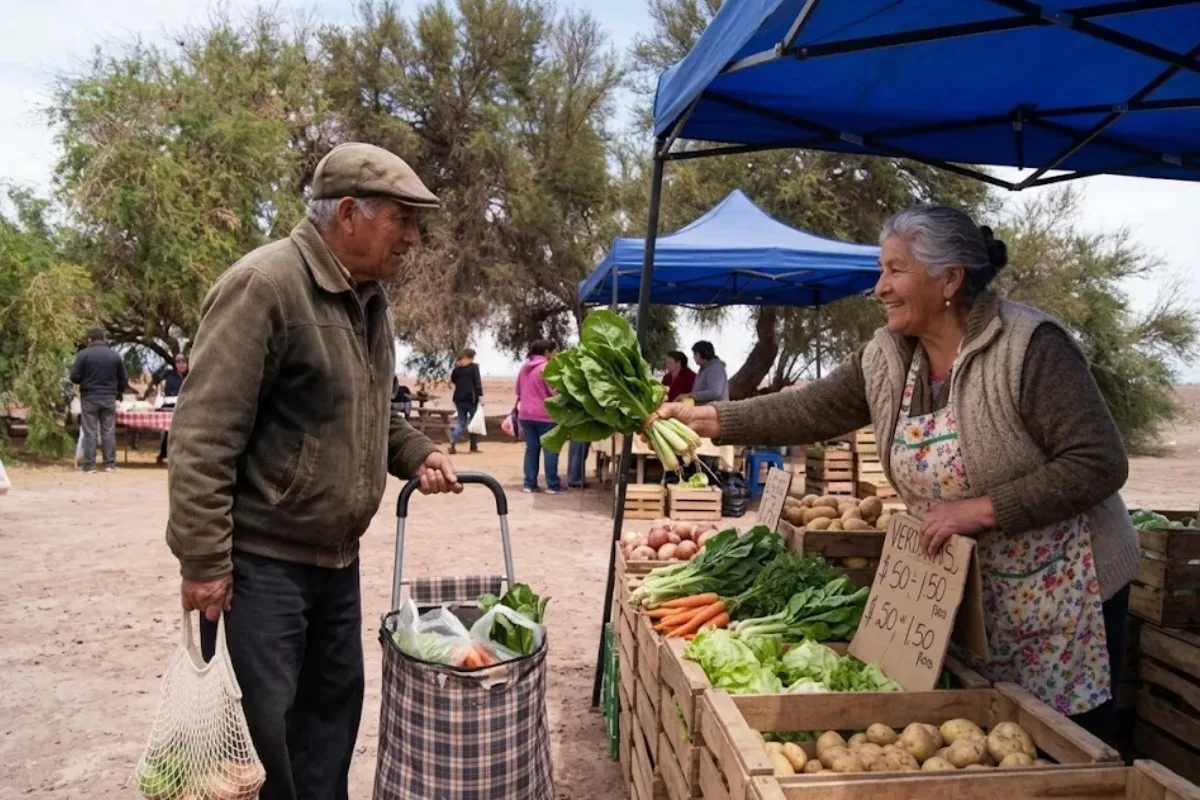
In the Pampa del Tamarugal, communities that have historically faced production limitations linked to climate, water scarcity, and isolation have seen new opportunities emerge from agricultural projects developed in the middle of the desert.
When people talk about desert agriculture in Chile, the conversation tends to focus on technology, water, or crops. There is another dimension that rarely comes to the fore: the impact these projects can have on the communities living in extreme areas.
In localities of the Tarapacá Region, such as the Pintados Agricultural Colony, La Tirana, Quillagua, and areas of the Pampa del Tamarugal, different initiatives have sought to show that agriculture can become a tool for local development when farmers, communities, and companies work together.
Beyond the crops, these initiatives have driven training, infrastructure, and better conditions so that families can envision their future in the territory.
The Challenge of Producing Where It Once Seemed Impossible
For years, many farmers in the Tamarugal faced conditions that made it difficult to expand their activities. High water extraction costs, technological limitations, and a lack of infrastructure reduced the possibilities for productive growth.
At the Pintados Agricultural Colony, for example, farmers relied on traditional systems to pump water, which meant high operating costs and limited investment in production improvements. The incorporation of a photovoltaic system made it possible to reduce those costs and allocate resources to new technologies and to strengthening agricultural activity.
For those who make a living from farming in the middle of the desert, changes like these have a direct effect on the viability of their family and community projects.
Pintados: When Agriculture Creates New Opportunities
One of the most representative cases is that of the Juventud del Desierto Indigenous Association of the Pintados Agricultural Colony.
According to information released by SQM, the families of this community received agricultural equipment, a tractor, more than 34,000 melon and watermelon plants, and seeds intended to expand cultivated areas. These tools helped strengthen an activity that is a source of income for numerous families in the area.
The goal of these initiatives has not been solely to increase production. They also seek to create the conditions for agriculture to remain a viable economic alternative for those who live in the area, strengthening families’ ability to stay and the development of local productive activities.
From Technical Support to Territorial Development
One of the lessons that has emerged from these experiences is that desert agriculture requires much more than seeds or fertilizers.
The experience accumulated in the Tarapacá Region shows the importance of combining training, technology transfer, productive infrastructure, and ongoing support. For that reason, alongside the agricultural projects, training programs, applied research, and local capacity building have been promoted.
The Agricultural Research and Development Center in Pozo Almonte, the blueberry-in-the-desert pilot, the alfalfa productivity improvement programs in La Tirana, and the hydroponic greenhouse in Quillagua are part of this network of initiatives that seek to generate knowledge and new productive opportunities for northern Chile.
Companies That Have Driven the Development of Desert Agriculture in Chile
Among the companies that have driven the development of desert agriculture in Chile, SQM has developed a series of programs focused on agricultural productivity, water efficiency, research, and strengthening local capacities.
For more than a decade, the company has worked alongside farmers, communities, and research centers to develop solutions adapted to the climate conditions of northern Chile. This work has made it possible to implement projects that seek to address challenges associated with water scarcity, complex soils, and the high temperatures characteristic of the desert.
The result has been the creation of experiences that are now seen as references for other territories facing similar challenges.
More Than Crops: The Possibility of Staying
One of the most relevant changes for communities is not always measured in tons produced or hectares cultivated.
The existence of new productive opportunities allows farmers and their families to envision development possibilities in the territory where they live. When a community has infrastructure, training, and conditions to carry out sustainable economic activities, the chances of staying and sustaining their life projects increase.
For that reason, the experiences developed in places such as Pintados, La Tirana, and Quillagua are seen as real examples in which desert agriculture has helped strengthen local capacities, create productive opportunities, and open new prospects for communities that have historically lived with extreme conditions.
The resilience of these communities is not explained solely by their ability to adapt to the desert. It also reflects the gradual building of an agricultural ecosystem in which knowledge, technology, collaboration, and territorial commitment make it possible to turn historic challenges into development opportunities.
Related newsSee all news →
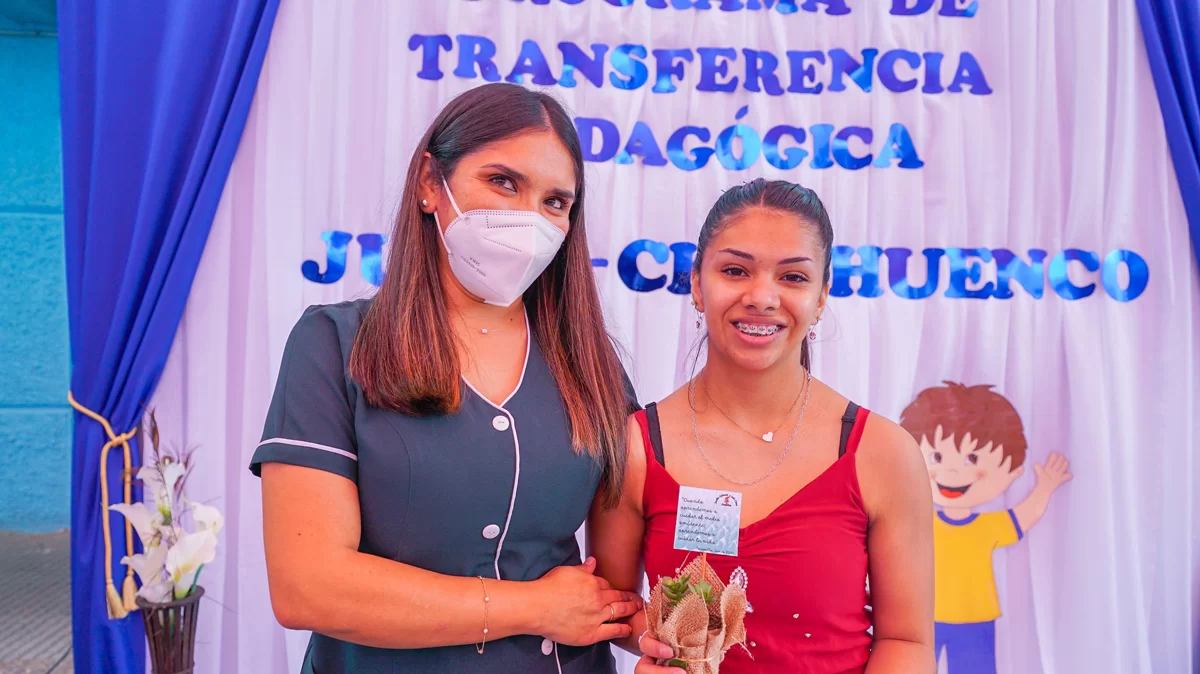
 Firman convenio de transferencia pedagógica que beneficiará a 7 jardines infantiles de Antofagasta y Tarapacá
Rate certificates
Beginning with tax year 2020, Professional Fees Certificates must be requested by email, indicating your name and national identity card number.
Email us at [email protected] to access this information.
Supplier consultation
Dear suppliers:
If you have any questions regarding Purchase Orders (POs), please send us the document in PDF or JPG format (photograph) to the following email address: [email protected].
Please ensure that the PO is legible, especially the following fields: Company Name, order number, and the buyer’s name and contact details.
We will respond to your inquiries within 24 hours.