5 Technologies That Now Make It Possible to Produce Food in the Chilean Desert
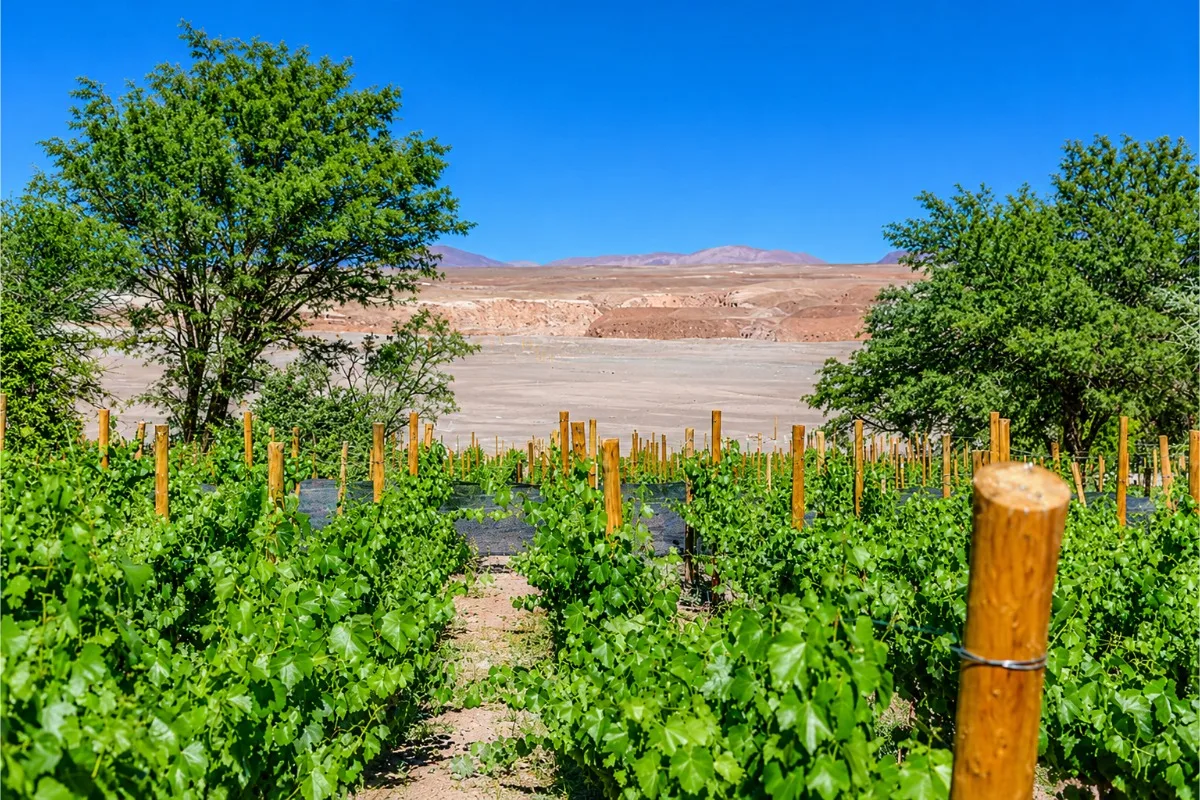
Agriculture in arid areas has evolved thanks to technologies that make it possible to use water, nutrients, and energy more efficiently. Learn about five innovations that are transforming agricultural production in northern Chile.
The Atacama Desert presents unique challenges for agriculture: water scarcity, high temperatures, wide temperature swings, and soils with particular characteristics.
Despite these conditions, different technologies have made it possible to develop increasingly efficient and sustainable production systems.
Innovation to Produce in Extreme Conditions
1. Hydroponics
Hydroponics makes it possible to grow plants using nutrient solutions instead of agricultural soil. This system optimizes water use and allows more precise control of crop development.
2. Plant Nutrition Solutions
Plant nutrition programs make it possible to supply the necessary nutrients according to the characteristics of each crop and its stage of development, supporting more balanced growth and better productivity.
3. Fertigation
Fertigation integrates irrigation with nutrient application, improving water-use efficiency and enabling uniform fertilizer distribution.
4. Renewable Energy
Solar-based systems make it easier to operate agricultural infrastructure in localities far from the power grid, strengthening the continuity of production activities.
5. Research and Technology Transfer
Innovation requires spaces where new technologies can be evaluated before they reach the field. Research centers and training programs make it possible to validate solutions adapted to desert conditions.
Cases Developed in Northern Chile
In the Tarapacá Region, initiatives driven together with SQM have incorporated several of these technologies through programs such as Atacama Tierra Fértil and projects developed in Bajo Soga, Caleta Urco, and the Agricultural Research and Development Center in Pozo Almonte.
These experiences show how the combination of innovation, research, and collaborative work can strengthen agriculture developed in arid areas.
Related newsSee all news →


Rate certificates
Beginning with tax year 2020, Professional Fees Certificates must be requested by email, indicating your name and national identity card number.
Email us at [email protected] to access this information.

Supplier consultation
Dear suppliers:
If you have any questions regarding Purchase Orders (POs), please send us the document in PDF or JPG format (photograph) to the following email address: [email protected].
Please ensure that the PO is legible, especially the following fields: Company Name, order number, and the buyer’s name and contact details.
We will respond to your inquiries within 24 hours.