Plant Nutrition Technologies to Produce More in the Chilean Desert
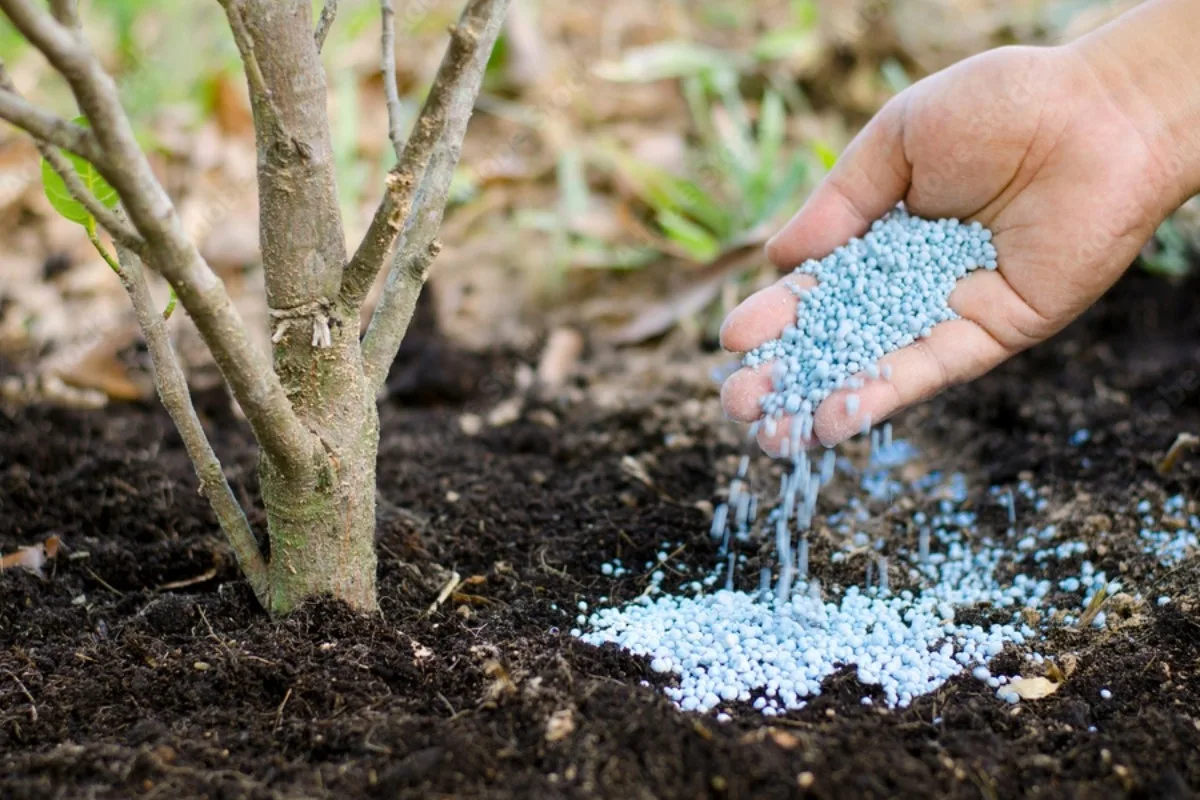
Agriculture in the Chilean desert can improve its yields through fertigation, soluble fertilizers, potassium nitrate, micronutrients, hydroponics, precision irrigation, and nutrition management tailored to the crop, the soil, and water availability.
In areas such as Tarapacá and Antofagasta, producing food means solving three challenges at the same time: water availability, nutrient efficiency, and adaptation to highly demanding soils. For that reason, specialty plant nutrition has become a relevant tool for farmers seeking to improve productivity, quality, and profitability in extreme environments.
SQM develops specialized nutritional solutions for application through fertigation, soil, and foliar methods, with macro- and microelements aimed at increasing the profitability of agricultural businesses. The company links this work to the knowledge of its agronomic technical team and to solutions adapted to different crops and production systems.
These technologies make it possible to deliver nutrients with greater precision, reduce losses, and sustain crops in arid conditions such as those in northern Chile.
Fertigation: Water and Nutrients in a Single Strategy
Fertigation consists of applying soluble nutrients through the irrigation system. In agriculture in arid areas, this technology makes it possible to synchronize the delivery of water and fertilizers with the crop’s real needs. The FAO describes that soluble nutrients can be injected into the water supply to improve the efficiency of fertilizer and water use in row crops.
This technology is especially useful in the desert because it makes it possible to control the dose, frequency, and timing of application. Instead of applying nutrients in a general way, fertigation delivers more precise nutrition during critical stages such as vegetative growth, flowering, fruit set, and fruit filling.
Soluble Fertilizers for Precision Irrigation
Soluble fertilizers play a central role in drip irrigation, micro-sprinkler, and intensive production systems. Ultrasol® is a range of water-soluble nutrient solutions designed for fertigation according to the plant’s needs by phenological stage.
In arid areas, solubility is key because it helps keep irrigation systems operational, facilitates nutrient uptake, and reduces problems associated with clogging or salt accumulation. This point is critical on farms where every irrigation cycle directly affects productivity.
Potassium Nitrate: Yield, Quality, and Water Efficiency
Potassium nitrate provides nitrate nitrogen and potassium, two nutrients that matter for plant growth, fruit quality, carbohydrate transport, and the plant’s response to stress. SQM notes that potassium nitrate is used in agriculture as a soluble fertilizer and as a source of nitrate nitrogen and potassium that is virtually free of chloride.
Water efficiency is another relevant attribute. SQM states that nutrients such as potassium and nitrate have been shown to improve water use efficiency in plants, and that potassium nitrate contributes to a more efficient use of water resources.
Micronutrients and Balanced Nutrition
In complex soils or high-value crops, balanced nutrition requires complementing macronutrients with micronutrients. Elements such as iron, zinc, manganese, boron, copper, molybdenum, and iodine can influence physiological processes associated with growth, metabolism, quality, and yield.
Integrated nutrient management seeks to use nutrients rationally, taking into account the crop, the soil, the production system, and the available mineral, organic, or biological sources. The FAO states that integrated nutrient management makes it possible to balance production efficiency and ecosystem sustainability.
Hydroponics and Protected Production in Arid Areas
Hydroponics makes it possible to produce without soil, using controlled nutrient solutions and a more efficient use of water and nutrients. For desert areas, this model makes it possible to grow vegetables, leafy greens, and high-value species in controlled conditions.
The FAO highlights that hydroponic systems can improve the efficiency of use of limited resources such as water, land, nutrients, and labor, in addition to supporting local production of high-value crops.
In Pozo Almonte, SQM has promoted experiences of agriculture in extreme conditions. The Agricultural Research and Development Center includes a hydroponic greenhouse and has been presented as an experience that makes it possible to produce in the desert while making efficient use of the available water.
Which Technologies to Prioritize in Desert Agriculture
To improve yields in the Chilean desert, the most relevant technologies are:
- Drip irrigation and automated irrigation.
- Fertigation with soluble fertilizers.
- Potassium nitrate for nutrient and water efficiency.
- Micronutrients adjusted to the crop and phenological stage.
- Hydroponics and protected production.
- Soil, water, and plant tissue diagnostics.
- Agronomic advisory services to adjust doses, frequency, and nutrient sources.
Desert agriculture needs integrated solutions. Productivity depends on applying water precisely, choosing soluble nutrient sources, tailoring the strategy to each crop, and measuring results continuously. In that context, specialty plant nutrition makes it possible to turn extreme conditions into more efficient, sustainable, and profitable agricultural systems.
Related newsSee all news →

 INICIATIVA TALENTO MUJER CONECTARÁ A CIENTOS DE MUJERES CON LA OFERTA LABORAL MINERA Y ENERGÉTICA EN EXPONOR


Rate certificates
Beginning with tax year 2020, Professional Fees Certificates must be requested by email, indicating your name and national identity card number.
Email us at [email protected] to access this information.

Supplier consultation
Dear suppliers:
If you have any questions regarding Purchase Orders (POs), please send us the document in PDF or JPG format (photograph) to the following email address: [email protected].
Please ensure that the PO is legible, especially the following fields: Company Name, order number, and the buyer’s name and contact details.
We will respond to your inquiries within 24 hours.