Discover the Plant Nutrition Technologies Driving Agriculture in the Desert

Agriculture in arid areas requires solutions capable of tackling challenges such as water scarcity, soil salinity, and extreme climate conditions.
In northern Chile, different plant nutrition technologies have made it possible to improve crop yields and optimize resource use in territories such as the Atacama Desert and the Pampa del Tamarugal.
Today, agricultural producers, specialists, and companies in the sector use solutions aimed at increasing crop efficiency through fertigation, specialty fertilizers, and agricultural management systems adapted to extreme areas. Here are some of the plant nutrition technologies that exist to improve yields in desert agriculture.
The Importance of Plant Nutrition in Arid Areas
Plant nutrition plays a fundamental role in agriculture carried out under complex conditions. In desert territories, crops must contend with:
- High soil salinity
- Limited water availability
- Heat stress and intense radiation
- Lower natural nutrient availability
That is why plant nutrition strategies make it possible to deliver nutrients more efficiently, supporting plant development and improving agricultural yields.
Fertigation: One of the Main Technologies for Desert Agriculture
One of the most widely used solutions in technology-driven agriculture is fertigation, a system that combines irrigation with nutrient application.
This technology makes it possible to:
- Optimize water use
- Improve nutrient uptake
- Reduce losses from evaporation or infiltration
- Tailor nutrition to crop needs
Fertigation has become a key tool for arid areas, since it makes it possible to maintain more efficient production in contexts of water scarcity.
Specialty Fertilizers to Improve Agricultural Yields
The use of specialty fertilizers is also an important part of the plant nutrition technologies applied in northern Chile.
Among the solutions used in desert agriculture, the following stand out:
- Potassium nitrate
- Urea phosphate
- Monopotassium phosphate
- NPK blends adapted to different crops
- Secondary nutrients and micronutrients
These products help improve plant development and optimize productivity under complex agricultural conditions.
Companies such as SQM take part in developing plant nutrition solutions used in different agricultural markets internationally.
Technologies to Optimize Water Use in Agriculture
Water efficiency is one of the most relevant factors in desert agriculture. That is why many agricultural initiatives incorporate technologies aimed at reducing water consumption and making better use of it.
Among them, the following stand out:
- Drip irrigation systems
- Humidity and temperature sensors
- Irrigation automation
- Efficient water storage and distribution systems
These tools make it possible to improve water management and move toward more sustainable agricultural models.
Soil Recovery and Sustainable Agriculture
In areas of northern Chile affected by salinity, soil recovery technologies have also been implemented to make land available for farming.
Some of the practices used include:
- Washing of saline soils
- Application of organic matter
- Use of sand to improve soil structure
- Incorporation of specialty fertilization
These solutions make it possible to recover productive areas and expand the possibilities for cultivation in arid areas.
Agricultural Innovation to Meet the Challenges of the Desert
Desert agriculture in Chile continues to evolve thanks to the incorporation of new technologies and plant nutrition solutions.
The combination of fertigation, specialty fertilizers, soil recovery, and efficient irrigation is making it possible to improve agricultural yields and strengthen productive development in territories where farming was historically a major challenge.
As the need to produce food more efficiently increases, these types of technologies will continue to play a key role in agriculture in extreme areas.
Related newsSee all news →

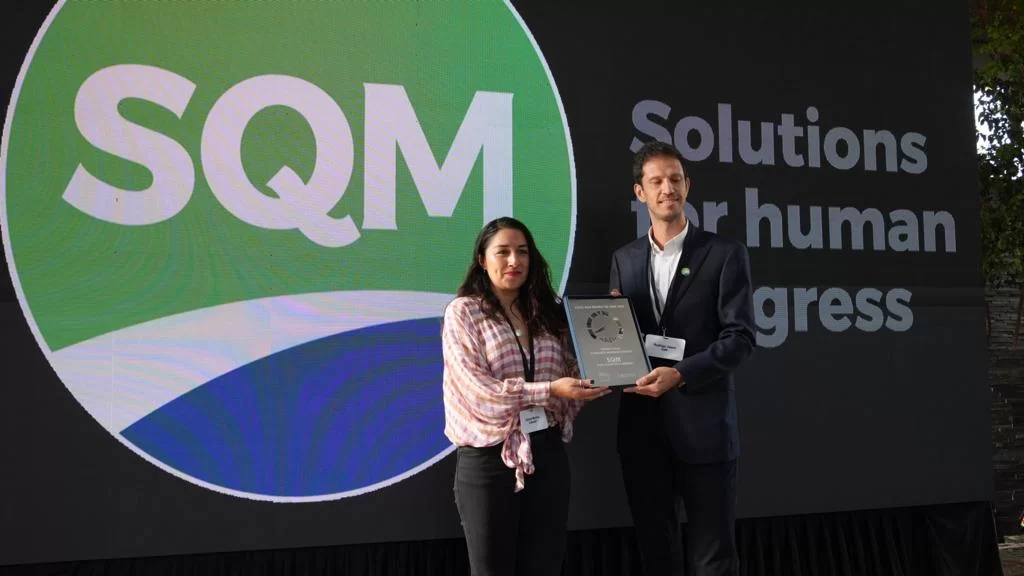
 SQM recibe reconocimiento por contar con unas de las flotas de transporte más seguras de Chile

Rate certificates
Beginning with tax year 2020, Professional Fees Certificates must be requested by email, indicating your name and national identity card number.
Email us at [email protected] to access this information.

Supplier consultation
Dear suppliers:
If you have any questions regarding Purchase Orders (POs), please send us the document in PDF or JPG format (photograph) to the following email address: [email protected].
Please ensure that the PO is legible, especially the following fields: Company Name, order number, and the buyer’s name and contact details.
We will respond to your inquiries within 24 hours.