SQM treatments in cucumbers: phenological and physiological aspects
The duration of each phenological stage of cucumber cultivation varies greatly depending on the type of cucumber.
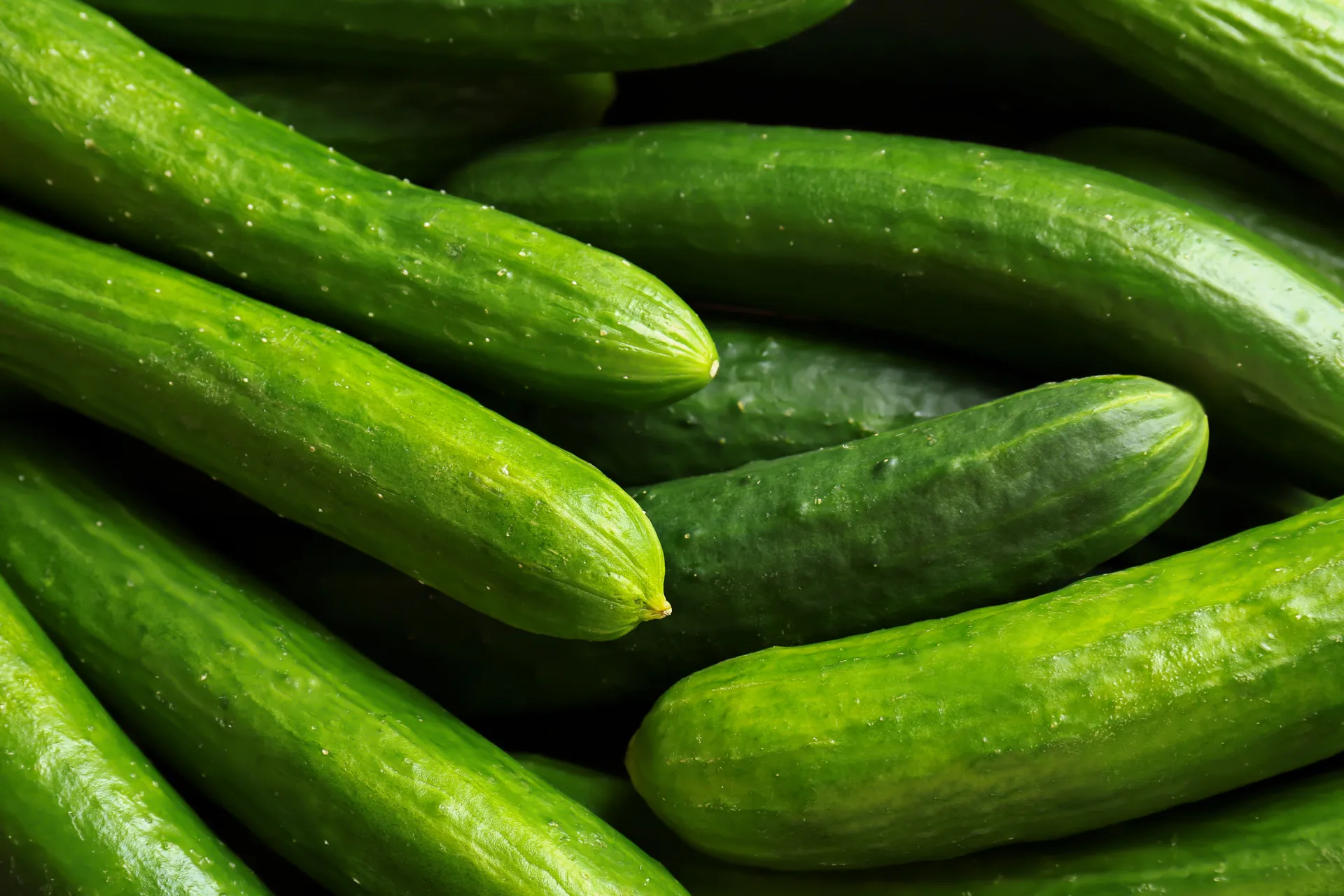
Physiology of cucumbers
The duration of each phenological stage of cucumbers (Cucumis sativus) varies depending on the variety (Caipira, Aodai, Japanese, or Pickling), as well as the cultivation and training system (open field, greenhouse, staked, or trailing).
Unlike most annual crops, the phenological phases of cucumbers tend to overlap. After flowering begins, vegetative development, continuous flowering, and fruit growth occur simultaneously, making crop management a dynamic and complex process.
Senescence occurs even while the plant is still producing, and the cycle does not end abruptly, but is gradually defined by a progressive reduction in fruit production rather than a total halt.
Nutritional Information
The cucumber (Cucumis sativus) is a fruit vegetable with high nutrient requirements throughout its cycle, especially from the start of fruiting, when absorption remains high until senescence.
Although it requires large amounts of fertilizer, it is sensitive to excesses and sudden variations in the soil solution. Potassium is the most absorbed nutrient, followed by Nitrogen and Calcium, being decisive for the yield and final quality of the fruit.
Potassium is the most extracted element (≈90% in the last weeks of the cycle), essential for soluble solids, flavor, and fruit firmness.
The most efficient source is Potassium Nitrate (Ultrasol® K from SQM), which combines Potassium and Nitric Nitrogen in an ideal N/K ratio of 1:3. In stages close to harvest, when more Potassium and less Nitrogen are required, Potassium Sulfate (Ultrasol® SOP) is optimal, also providing sulfur for fruit ripening and weight.
Calcium ensures firm, healthy fruit, preventing disorders such as blossom end rot. Its absorption depends on the flow of water in the plant, so in conditions of high relative humidity, deficiencies can occur even in soils rich in Ca.
SQM’s Ultrasol® Calcium applied during flowering, fruit setting and small fruit stages ensures an effective supply to the fruit.
Secondary nutrients such as Magnesium and Sulfur are also essential: Mg participates in photosynthesis and S in organic compounds. An excess of K and Ca can induce Mg deficiency, so maintaining a nutritional balance is key.
The availability of micronutrients is essential for plant growth and development. A deficiency, even of a single element, can limit yield even when macronutrients are at adequate levels.
The use of micronutrients in fertilization programs has increased due to intensive cultivation, continuous extraction by harvests, soil acidity, and the use of high-purity fertilizers that no longer contain traces of minor elements as in the past.
Micronutrients play vital roles in physiological and metabolic processes.
- Zinc participates in protein synthesis and in the utilization of Nitrogen and Phosphorus.
- Boron regulates sugar transport, flowering, and root formation; Iron is key to chlorophyll and oxidation-reduction reactions.
- Copper is involved in respiration and protein synthesis.
- Manganese facilitates photosynthesis and Nitrate assimilation.
- Molybdenum contributes to Nitrogen fixation and Iron transport.
Together, these six micronutrients work in a complementary manner with macronutrients, ensuring greater productivity, fruit quality, and crop sustainability.
Therefore, monitoring them through soil and foliar analysis, along with balanced fertilization plans, is key to achieving high agricultural yields.
Cucumbers (Cucumis sativus) have a short, dynamic cycle that varies depending on the variety, the growing system (open field or greenhouse), and management practices.
This occurs between 3 and 10 days after sowing, depending on the temperature and method (direct or in trays). It is one of the vegetables that forms seedlings most quickly, although in the case of grafted cucumbers this process can take 30-40 days due to the additional time required for grafting.
It is accelerated and remains constant until around 80 days after transplanting, when senescence begins. Flowering occurs in parallel, independent of the photoperiod, although factors such as temperature and light intensity influence the proportion of male and female flowers.
Under protected conditions, the lack of pollinators was initially a problem, but today parthenocarpic hybrids are used, capable of producing fruit without pollination, which has significantly increased productivity.
Flowering occurs between 15 and 25 days after transplanting, and in grafted plants it can be brought forward by 7-10 days due to the greater physiological development of the graft. Insects play a key role in pollination in the open field, while in greenhouses parthenocarpy ensures production even without pollinators.
Begins between 33 and 44 days after transplanting in greenhouses, or between 40 and 70 days after sowing in open fields. The total cycle varies between 60 and 90 days for non-grafted cucumbers and between 100 and 140 days for grafted cucumbers. Harvesting is not determined by ripeness, but by fruit size: 20-25 cm for Japanese or Aodai varieties, 10-15 cm for Caipira, and 5-16 cm for pickling cucumbers.
Related newsSee all news →



Rate certificates
Beginning with tax year 2020, Professional Fees Certificates must be requested by email, indicating your name and national identity card number.
Email us at [email protected] to access this information.

Supplier consultation
Dear suppliers:
If you have any questions regarding Purchase Orders (POs), please send us the document in PDF or JPG format (photograph) to the following email address: [email protected].
Please ensure that the PO is legible, especially the following fields: Company Name, order number, and the buyer’s name and contact details.
We will respond to your inquiries within 24 hours.