Quillagua women weave their identity from the world's driest oasis
The Quillagua Textile Crafts Association has found in weaving a way to preserve the town’s history and share it through collections inspired by its cultural heritage.
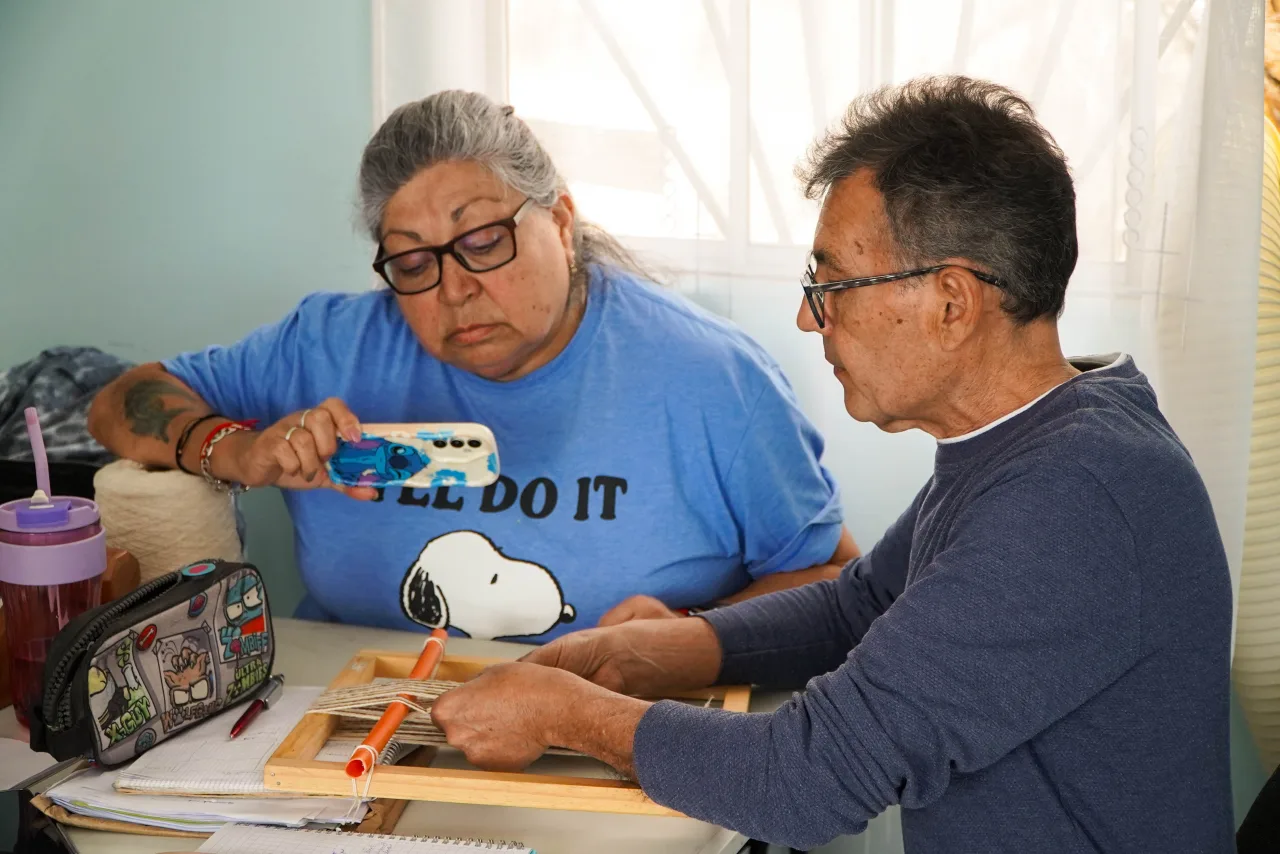
More than 280 kilometers from Antofagasta, along the Loa River in the vast expanse of the Atacama Desert, lies Quillagua. Known as one of the driest inhabited places in the world, this oasis has been a gathering place in the northern part of the country for generations. Today, it is also where a group of women has found in the loom a way to preserve the memory of their people and share it through their creations.
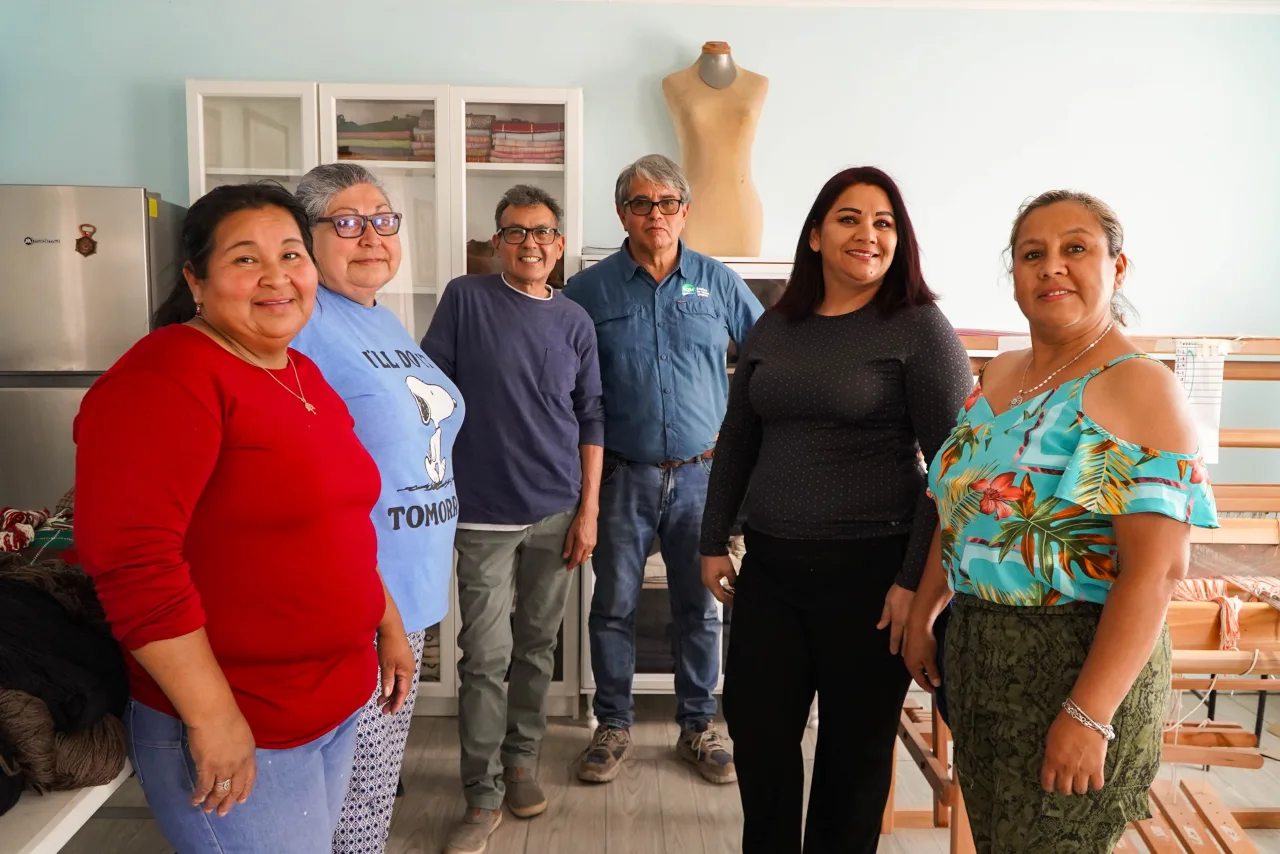
What began four years ago as a learning opportunity eventually gave rise to the Quillagua Textile Crafts Association, made up of artisans who have devoted their time and effort to perfecting various weaving techniques. The process has been supported by the ONA Foundation, with assistance from SQM, through an initiative aimed at keeping a longstanding local craft alive.
The members began this journey by working on tabletop looms. Over the years, they incorporated new tools, such as foot-powered looms, expanding their knowledge and developing collections inspired by the landscapes, history and experiences of those who have brought this oasis to life.
Each piece is crafted using manual processes like spinning, dyeing with local natural materials and weaving by hand. More than just decorative pieces, their works seek to convey stories, customs and memories that are part of the essence of Quillagua. Among them, the Nostalgia collection stands out, inspired by the nitrate era and the town’s historical role as a gathering place for people traveling across the Pampas.
For Cinthya Gallardo, a member of the group, one of the most valuable aspects of this process has been the opportunity to capture Quillagua’s identity in each of her creations. "Through our collections, we hope to help people learn a little more about Quillagua. Each one has a different inspiration and reflects a part of our history, our memories and what it means to live in this place," she says.
Meanwhile, for Jorge Fredes, a professor who has guided the group since its inception, one of the greatest achievements has been seeing the participants develop their own distinctive style through their creations.
"They started from scratch, and today they have a concept that sets them apart. They have participated in exhibitions, shown their work outside the region and become ambassadors for Quillagua through their weaving," he says.
This progress has also led to significant recognition. The artisans became the first in the community to be certified by the Ministry of Culture, Arts and Heritage, a milestone that reflects years of learning, perseverance and dedication.
For his part, Manuel Ossandón, Head of Community Relations at SQM, added: "Beyond learning a technique, they have built a community. They have shared knowledge, supported one another and launched a far-reaching initiative that helps preserve Quillagua's cultural heritage."
Today, the group continues to refine its techniques and explore new opportunities to showcase its work. Each collection offers a unique perspective on Quillagua and its history, allowing this traditional craft to continue to open new doors and connect new people with the cultural richness of this oasis in the Atacama Desert.
Related newsSee all news →

Rate certificates
Beginning with tax year 2020, Professional Fees Certificates must be requested by email, indicating your name and national identity card number.
Email us at [email protected] to access this information.
Supplier consultation
Dear suppliers:
If you have any questions regarding Purchase Orders (POs), please send us the document in PDF or JPG format (photograph) to the following email address: [email protected].
Please ensure that the PO is legible, especially the following fields: Company Name, order number, and the buyer’s name and contact details.
We will respond to your inquiries within 24 hours.