Innovation: R&D Projects Transforming Desert Agriculture
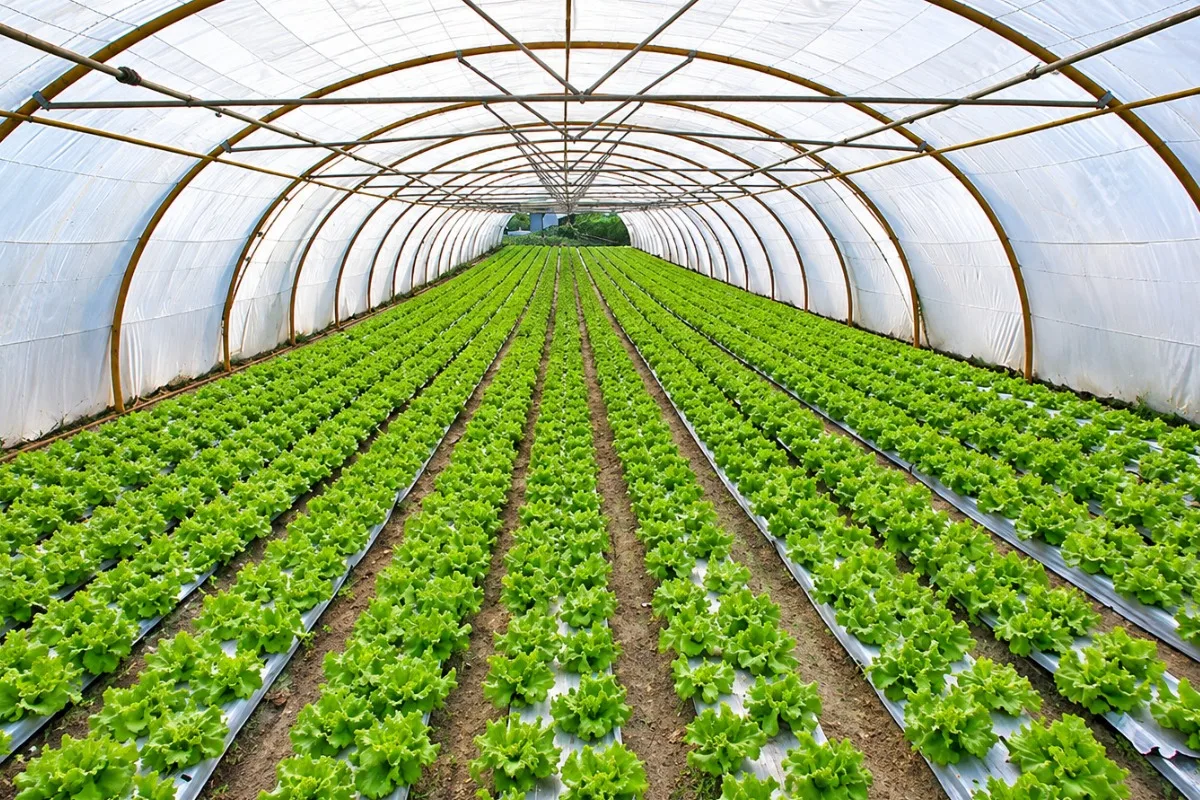
From greenhouses supplied by fog catchers to genetic testing of blueberries and the development of bioinputs, discover how science and the private sector are turning the driest desert in the world into an agro-technology hub.
Research and Development (R&D) projects are the cornerstone that makes agriculture in the Atacama Desert possible and profitable. To confront high radiation levels, a lack of arable soil, and a severe water crisis, innovation consortia, Chilean universities, and specialized companies such as SQM are carrying out high-impact pilot projects.
These initiatives range from fog water harvesting and drip irrigation with saline water to the creation of scientific working groups for developing bioinputs from extremophile microorganisms.
Outstanding Examples of R&D in Atacama Desert Agriculture
Agriculture in areas of extreme aridity such as northern Chile is built on Research and Development (R&D). In the face of saline soil and acute water scarcity, technology consortia, universities, the State, and companies in the mining and agricultural sector such as SQM are funding collaborative projects that seek to validate new species and develop irrigation systems that turn the desert into a natural laboratory on a global scale.
These technology transfer projects are aimed at making crops sustainable, reducing water consumption, and implementing circular energy models. Below are concrete examples of these research initiatives.
Key R&D Projects in Arid Areas
- Desert Consortium (Corfo): A technology program made up of entities such as the Universidad Católica del Norte (UCN), Fraunhofer Chile Research, and UC Davis Chile. Its goal is to run a portfolio of transfer projects to validate new species adapted to desert conditions and to optimize traditional crops, incorporating desalination plants and solar energy to address the food crisis.
- Fog Water for Greenhouses (Atacama Desert Center - UC): Led by the Pontificia Universidad Católica, this research project is based on developing desert agriculture using fog catchers (atmospheric moisture collectors) coupled to greenhouses and backed by solar energy. It seeks full water independence by not relying on groundwater sources.
- Aeromycology for Sustainable Agriculture (Universidad de Tarapacá): In Arica, the R&D project “AEROMYDA” investigates the use of aeromycology (the study of airborne fungi) to monitor and assess plant health risks. In addition, research in Arica and Parinacota has advanced drip irrigation with saline water, which today makes it possible to supply tomatoes, cucumbers, and alfalfa to much of the country from the desert.
- Desert Agriculture Roundtable (Nodo Desierto Vivo): In Antofagasta, this innovation roundtable was created to coordinate scientific solutions focused on new water technologies and the development of bioinputs (native microorganisms).
- Blueberry Agricultural Laboratory (SQM): The company is driving pilot projects in the Pampa del Tamarugal, where hydroponic greenhouses monitored by humidity and salinity sensors were installed to test dozens of genetic varieties of blueberries, in addition to investigating nanobubble injection to oxygenate fertigation.
The Long-Term Technological Impact
The development of these R&D projects aims not only to secure the national food supply through off-season production, but also to consolidate an exportable technology model.
Innovations in extremophile biotechnology (microorganisms from extreme environments), the management of water with high electrical conductivity, and the use of grid-connected (on-grid) solar energy for irrigation are positioned as the standard for combating the advance of desertification worldwide.
Related newsSee all news →

 Tercer encuentro de Lakitas “La Voz del Viento” convocó a más de 600 asistentes en Toconao

Rate certificates
Beginning with tax year 2020, Professional Fees Certificates must be requested by email, indicating your name and national identity card number.
Email us at [email protected] to access this information.

Supplier consultation
Dear suppliers:
If you have any questions regarding Purchase Orders (POs), please send us the document in PDF or JPG format (photograph) to the following email address: [email protected].
Please ensure that the PO is legible, especially the following fields: Company Name, order number, and the buyer’s name and contact details.
We will respond to your inquiries within 24 hours.