Plant nutrition in onion: recommendations by phenological stage
For effective plant nutrition in onion crops, consult your SQM agronomist and obtain a customized plan based on local conditions.
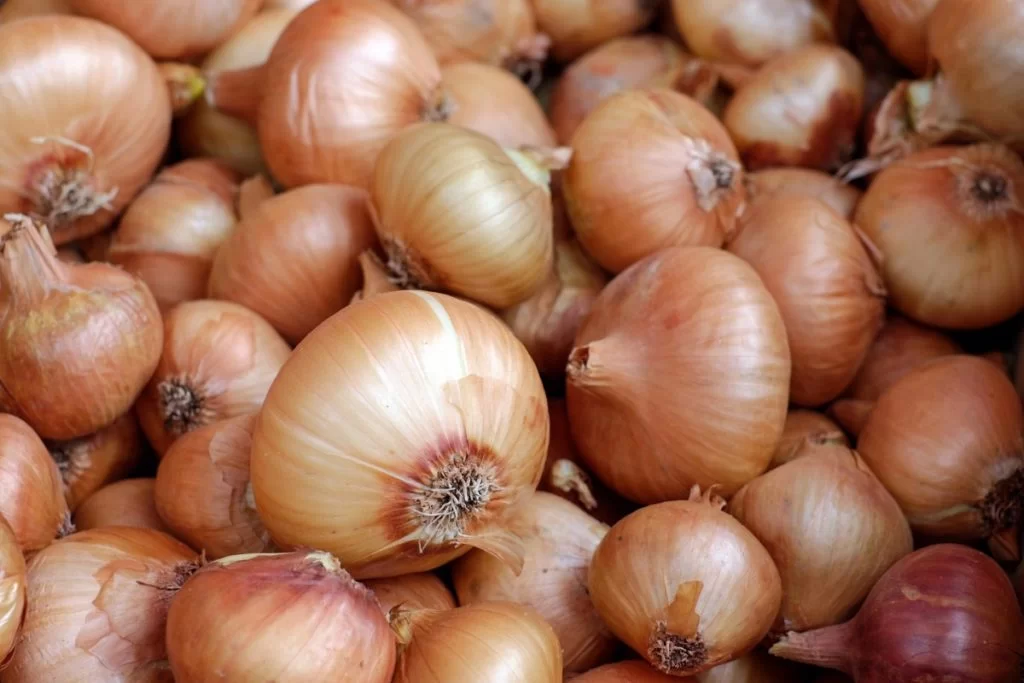
Growth Stages
Onion (Allium cepa) is a medium-long cycle bulbous vegetable that requires balanced nutrition to achieve good size, firmness, and post-harvest life.
The use of nutritional programs tailored to each phenological stage helps improve bulb yield and quality. Below are the crop’s development stages and their key nutritional requirements.
Germination and emergence
Occurs between 7 to 14 days after sowing. It is critical for crop establishment and depends on adequate soil moisture and temperature.
Vegetative development
The plant produces long, narrow leaves, increasing its photosynthetic capacity. This is a key stage for the absorption of Nitrogen, Phosphorus, and micronutrients such as Zinc.
Bulb formation and thickening
This occurs when there is sufficient leaf accumulation. It is highly dependent on the photoperiod. The demand for Potassium, Calcium, and Boron increases.
Maturity and drying
The foliage begins to decay and the bulb’s outer skin hardens. Reduced irrigation and nutritional balance contribute to improved post-harvest preservation.
Harvest
This is done when at least 70% of the foliage is dry or bent. This is a key moment for ensuring quality and minimizing damage.
Related newsSee all news →
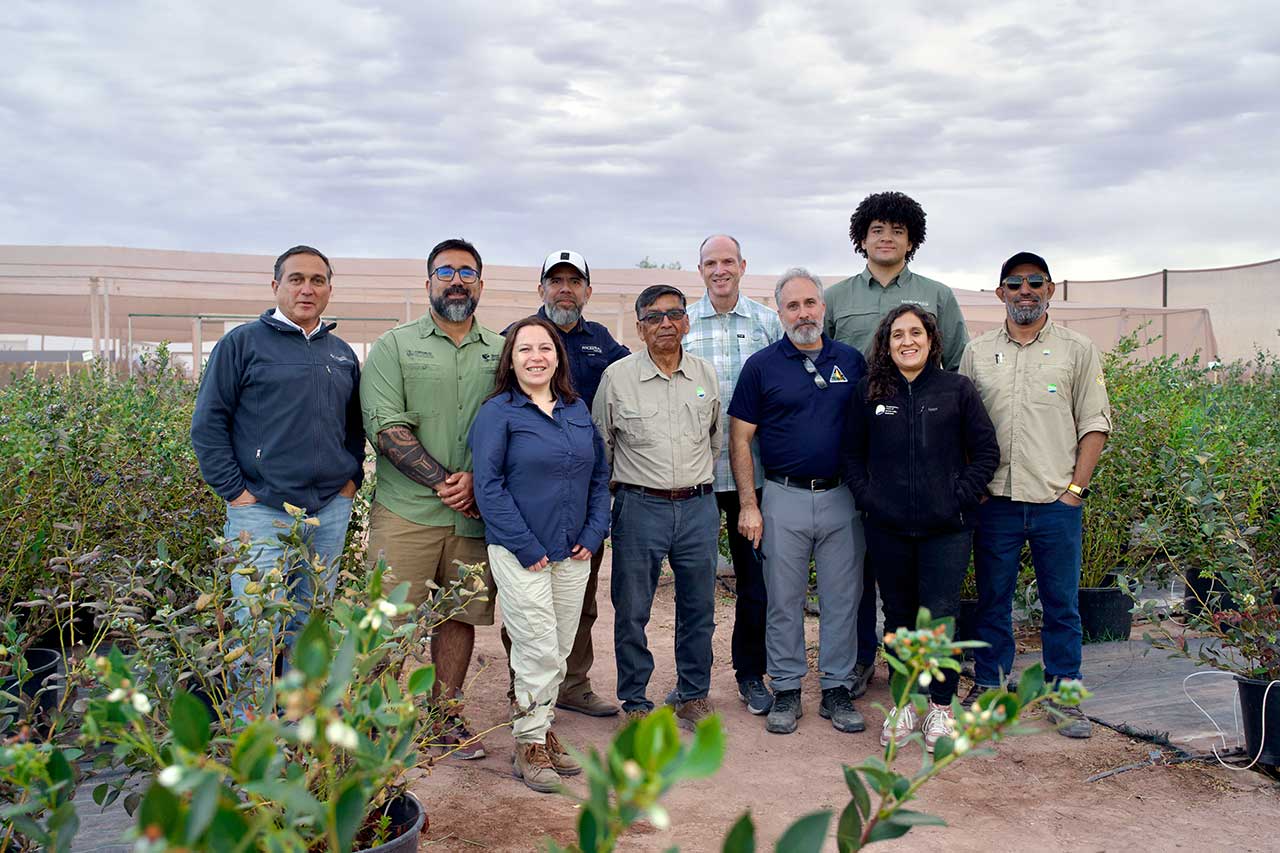
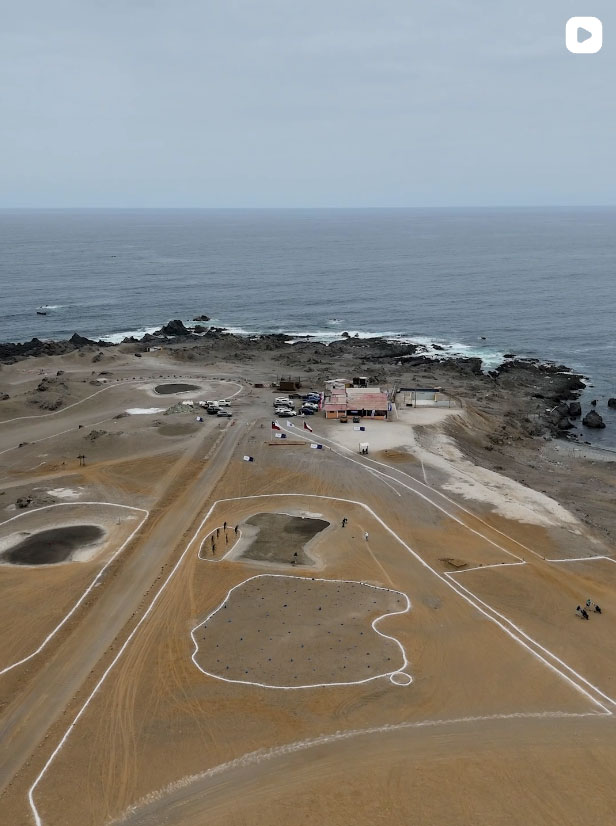
 Del desierto chileno a la Luna: la NASA pone sus ojos en los cultivos del norte
Rate certificates
Beginning with tax year 2020, Professional Fees Certificates must be requested by email, indicating your name and national identity card number.
Email us at [email protected] to access this information.

Supplier consultation
Dear suppliers:
If you have any questions regarding Purchase Orders (POs), please send us the document in PDF or JPG format (photograph) to the following email address: [email protected].
Please ensure that the PO is legible, especially the following fields: Company Name, order number, and the buyer’s name and contact details.
We will respond to your inquiries within 24 hours.