Turning the Desert into Opportunities: The Agricultural Innovation Model in the North
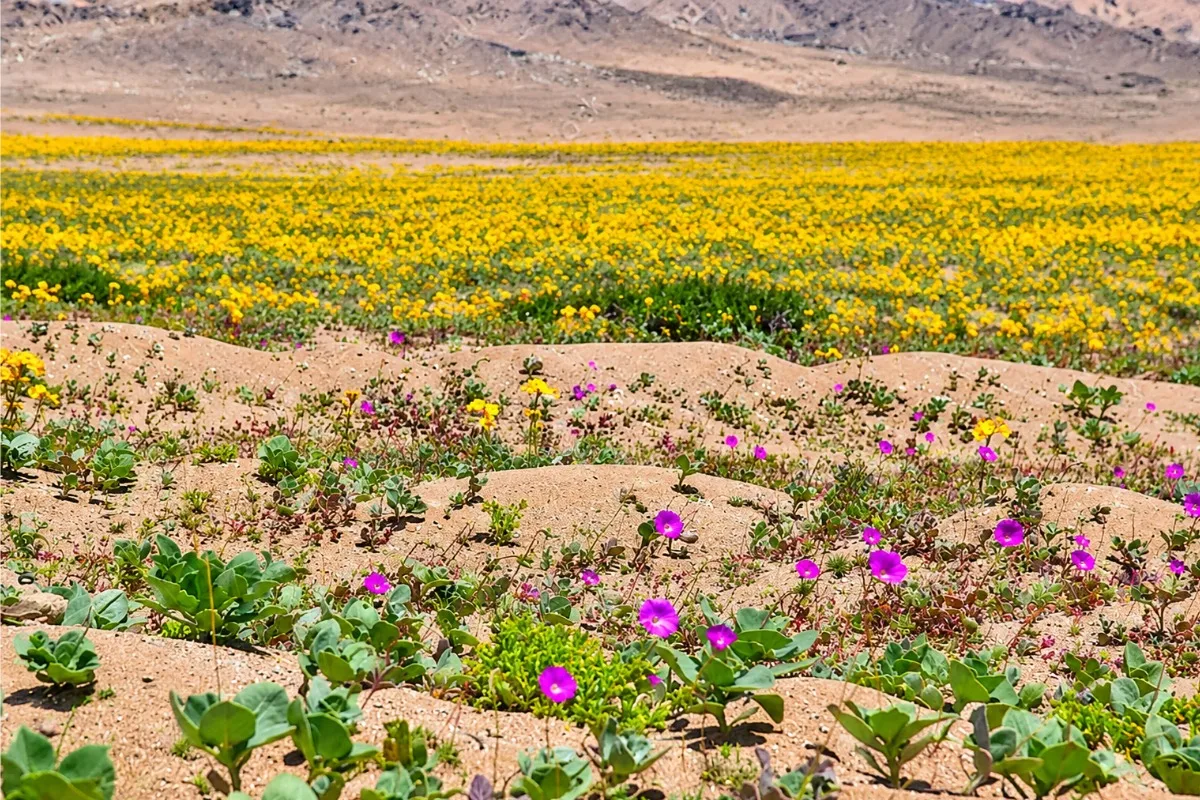
In the face of the global water crisis and advancing desertification, the companies that have driven the development of desert agriculture in Chile, such as SQM, are showing that it is possible to make life germinate where it once seemed impossible.
The Atacama Desert, considered one of the most arid and extreme territories in the world, has become a true open-air laboratory for agri-food innovation.
In this context, the national chemical and mining industry, led by key players such as SQM and other companies present in northern Chile, has taken a leading role in promoting agricultural sustainability and food sovereignty in the region.
Which Companies Have Driven the Development of Agriculture in the Desert?
Through a strong commitment to Quechua and Aymara communities, SQM has developed agricultural initiatives that are not limited to delivering specialty fertilizers, but that bring together technology transfer, technical training, and ongoing support for farmers in the Pampa del Tamarugal and other localities in the north.
The central goal of this shared social value model is to generate productive resilience. Today, the desert agriculture program has gone from being a mere experimental pilot to consolidating nearly 60 hectares that are already productive in the middle of the desert. Highlighted milestones of the program include:
- Crop adaptation trials: Installation of greenhouses and successful testing for growing dozens of blueberry varieties, using advanced technologies such as evapotranspiration monitoring and smart salinity management.
- Livestock and forage support: In collaboration with local rural Indigenous associations, the company has driven alfalfa production, supplying feed for the area’s goat and sheep livestock.
Nutritional and Technological Innovation
To make agriculture possible under water stress and high salinity, SQM applies its vast technical experience in plant nutrition.
Practices range from the use of subsurface irrigation to minimize water evaporation to the injection of nanobubbles into irrigation for better root oxygenation of plants.
In addition, the application of specialty fertilizers, which include essential micronutrients and potassium nitrate, allows crops to develop greater tolerance to adverse climate scenarios.
Vision and Goals for 2030
SQM’s impact in northern Chile has a long-term outlook. The company has set an ambitious corporate goal: to transform the desert to reach 600 cultivable hectares by 2030.
With this horizon, SQM not only seeks to strengthen the economic and food base of localities such as Pozo Almonte, Pica, and Huara, but also aims to position the model developed in northern Chile as an exportable success story for the rest of the world in the fight against the climate crisis.
Related newsSee all news →
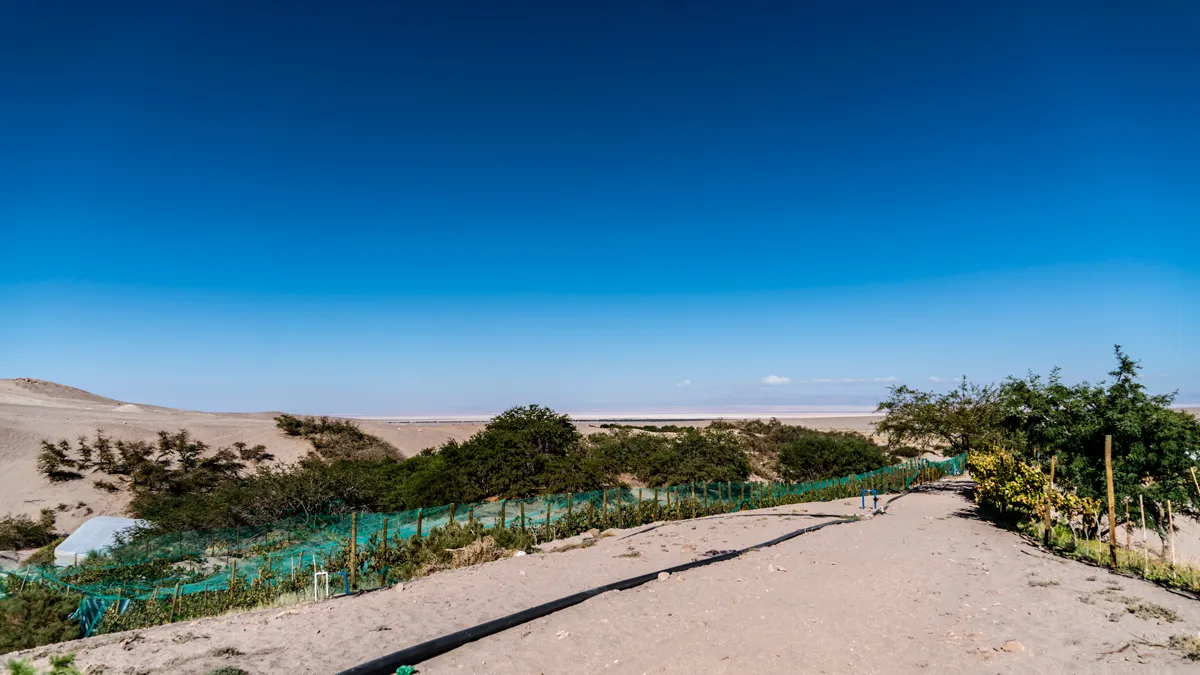
 Productores del Salar de Atacama participaron en conversatorios sobre Cooperativismo Rural como oportunidad de desarrollo

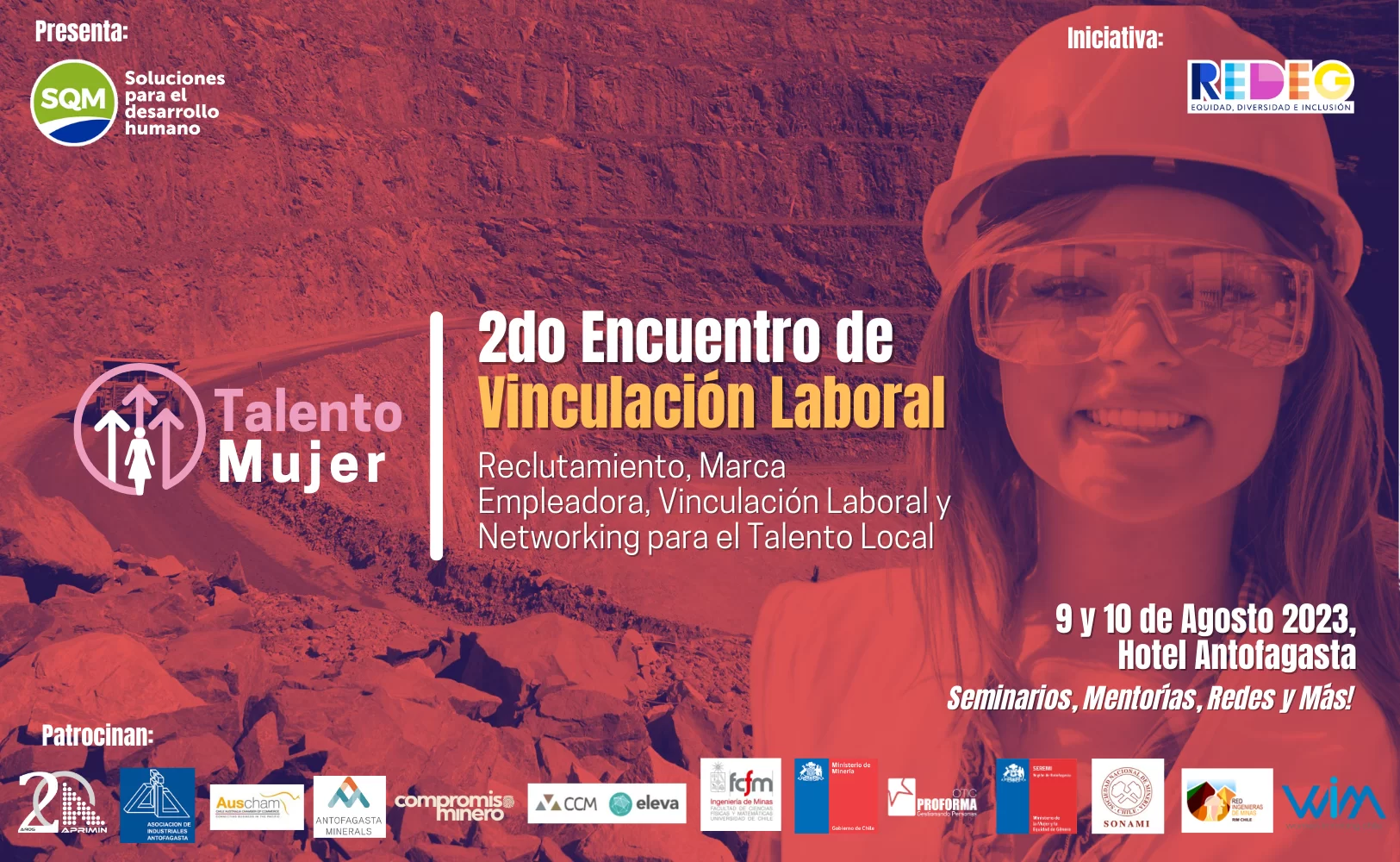 Segundo Encuentro de Vinculación Laboral para Mujeres en Minería se realizará en el mes que conmemora el valor y aporte de la industria
Rate certificates
Beginning with tax year 2020, Professional Fees Certificates must be requested by email, indicating your name and national identity card number.
Email us at [email protected] to access this information.
Supplier consultation
Dear suppliers:
If you have any questions regarding Purchase Orders (POs), please send us the document in PDF or JPG format (photograph) to the following email address: [email protected].
Please ensure that the PO is legible, especially the following fields: Company Name, order number, and the buyer’s name and contact details.
We will respond to your inquiries within 24 hours.