Can the Desert Become a New Agricultural Frontier? The Laboratory Taking Shape in Northern Chile
Agriculture is usually associated with fertile valleys, abundant water, and favorable climate conditions. In northern Chile, something different is happening.
In one of the most arid territories on the planet, farmers, communities, researchers, and companies are developing projects that seek to answer an increasingly relevant question for the future: how to produce food in scenarios marked by water scarcity and climate change.
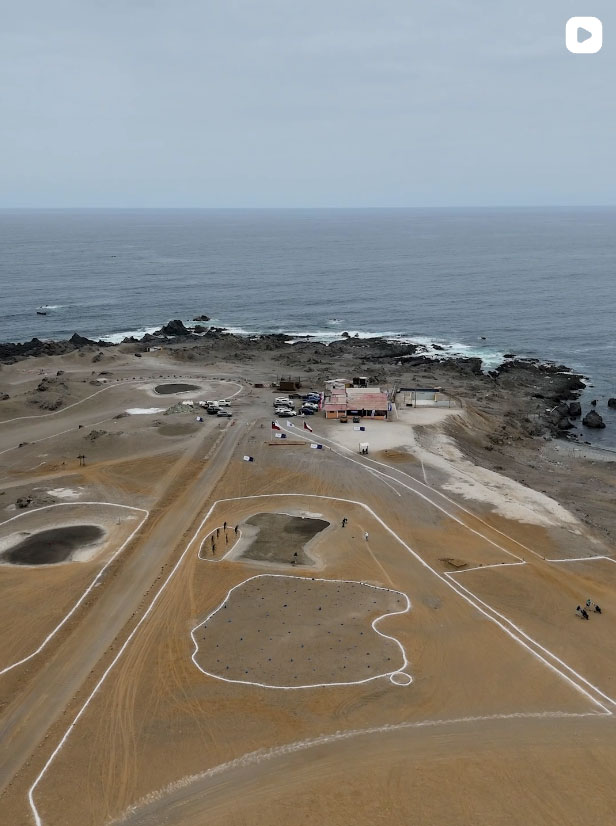
For years, the Atacama Desert was considered mainly a mining territory. Today, different initiatives are showing that it can also become a space for agricultural innovation.
The idea is not simply to grow crops where there were none before. The challenge is much more complex. It is about building an ecosystem capable of combining agronomic knowledge, technology, infrastructure, plant nutrition, and territorial collaboration to make production viable in extreme conditions.
What Desert Agriculture Initiatives Exist in Chile
Several initiatives are being developed in the Tarapacá Region that seek to adapt agriculture to the characteristics of the desert.
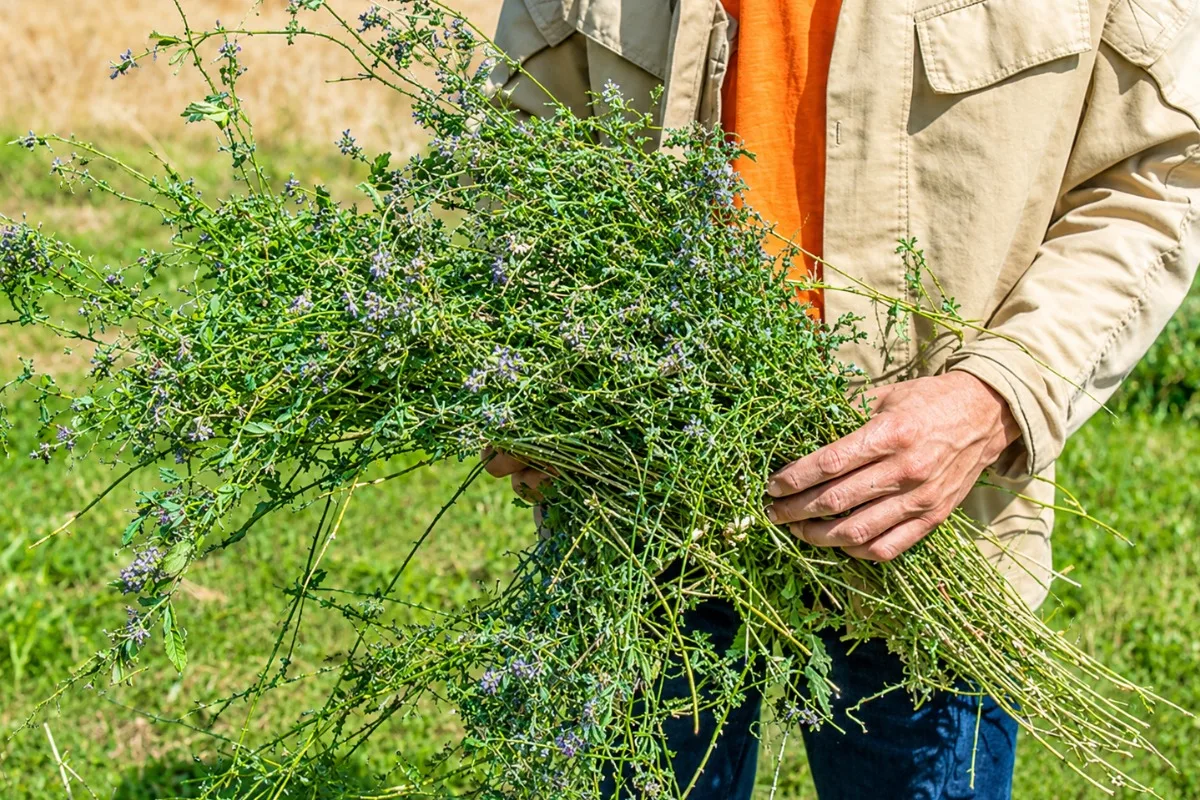
Among them are alfalfa production projects for livestock communities, trials with blueberry varieties, precision irrigation systems, agricultural research centers, and technology transfer experiences for local farmers.
These initiatives are part of a strategy driven by SQM that seeks to leverage its plant nutrition expertise to create new productive opportunities in the territory.
According to Ignacio Majluf, SQM’s Sustainability Manager, the goal is not only to develop crops, but to build capacities that make it possible to create a sustainable economic activity over the long term.
Innovation as a Response to Water Scarcity
One of the main challenges for desert agriculture is water.
For that reason, much of the effort has focused on developing technologies that make it possible to use this resource more efficiently.
One of the most notable examples is the implementation of subsurface precision irrigation systems. This technology delivers water directly to the root zone of plants, significantly reducing losses from evaporation.
According to the experience presented by SQM, this system has achieved reductions of close to 40% in water consumption compared with traditional methods.
Water efficiency is also complemented by other tools, such as continuous monitoring of agronomic variables and the use of advanced technologies developed at the Agricultural Research and Development Center in Pozo Almonte.
From Alfalfa Cultivation to Desert Blueberries
The agricultural projects driven in the Pampa del Tamarugal have different, though complementary, objectives.
On the one hand, alfalfa cultivation seeks to strengthen local livestock activity by producing animal feed in the territory itself.
On the other, the experimental blueberry project explores the possibility of developing high-commercial-value crops in desert conditions.
More than twenty different varieties are currently being evaluated to determine which perform best under the climate conditions of northern Chile.
These experiences generate valuable information for farmers, researchers, and companies interested in developing agriculture in arid areas.
Companies Driving Chilean Agriculture in the Desert
Desert agriculture requires the participation of multiple stakeholders.
Communities contribute territorial knowledge and production experience. Academia contributes applied research. The public sector can facilitate infrastructure and development policies. Companies contribute technical capabilities, investment, and technology transfer.
In this context, SQM has developed a strategy based on sharing knowledge related to plant nutrition, agronomic management, and production efficiency technologies.
The company uses its international experience in specialty fertilizers and plant nutrition to support agricultural projects adapted to the conditions of northern Chile.
Beyond Agriculture: A Vision of Territorial Development
One of the most interesting aspects of these initiatives is that the conversation is not limited to crops.
The vision set out by their promoters holds that agriculture can become a complementary engine for the economic development of the territory.
This means thinking about employment, entrepreneurship, training, research, and new productive activities associated with the desert.
The goal set by SQM is to reach 600 productive hectares by 2030, a figure that reflects a long-term vision for agricultural development in the area.
The Desert as a Laboratory for the Future
The conditions that northern Chile faces today are similar to the challenges that many regions of the world will have to address in the coming decades.
Lower water availability, more extreme temperatures, and the need to produce food more efficiently are increasingly common phenomena.
For that reason, desert agriculture is attracting interest beyond national borders.
What is currently happening in the Pampa del Tamarugal not only seeks to solve local challenges. It also works as a natural laboratory where technologies, collaboration models, and solutions that could be relevant to other territories affected by climate change are being tested.
The question is no longer whether it is possible to grow crops in the desert. The experience accumulated in northern Chile shows that the real challenge is building the conditions for that agriculture to be sustainable, efficient, and capable of creating opportunities for the communities living in one of the most demanding environments on the planet.
Related newsSee all news →
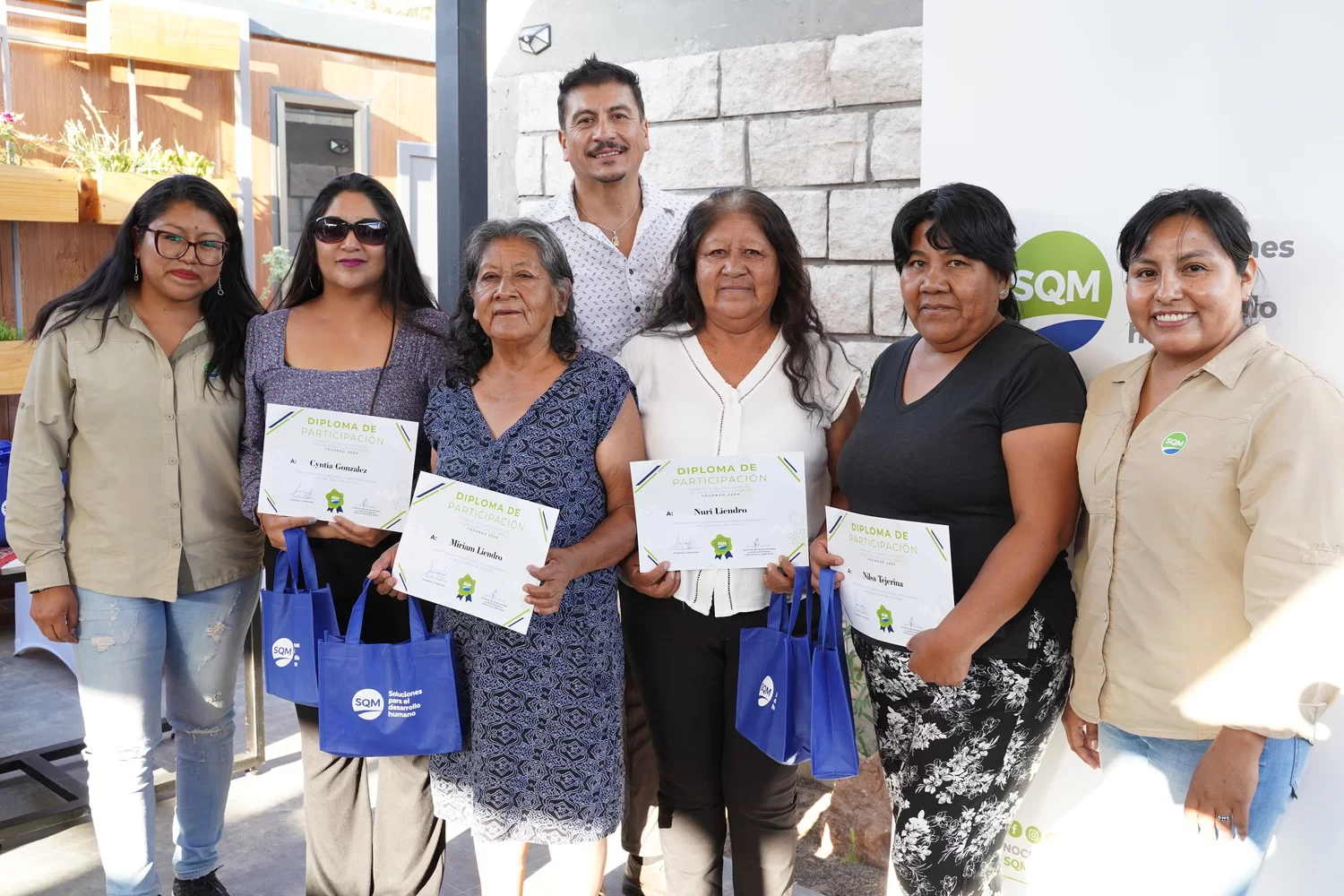
 Con entrega de reconocimientos y exposición de trabajos finalizó el Taller de Reciclaje de Vidrio en Toconao
Rate certificates
Beginning with tax year 2020, Professional Fees Certificates must be requested by email, indicating your name and national identity card number.
Email us at [email protected] to access this information.
Supplier consultation
Dear suppliers:
If you have any questions regarding Purchase Orders (POs), please send us the document in PDF or JPG format (photograph) to the following email address: [email protected].
Please ensure that the PO is legible, especially the following fields: Company Name, order number, and the buyer’s name and contact details.
We will respond to your inquiries within 24 hours.