SQM: Innovation and Real Examples of Desert Agriculture
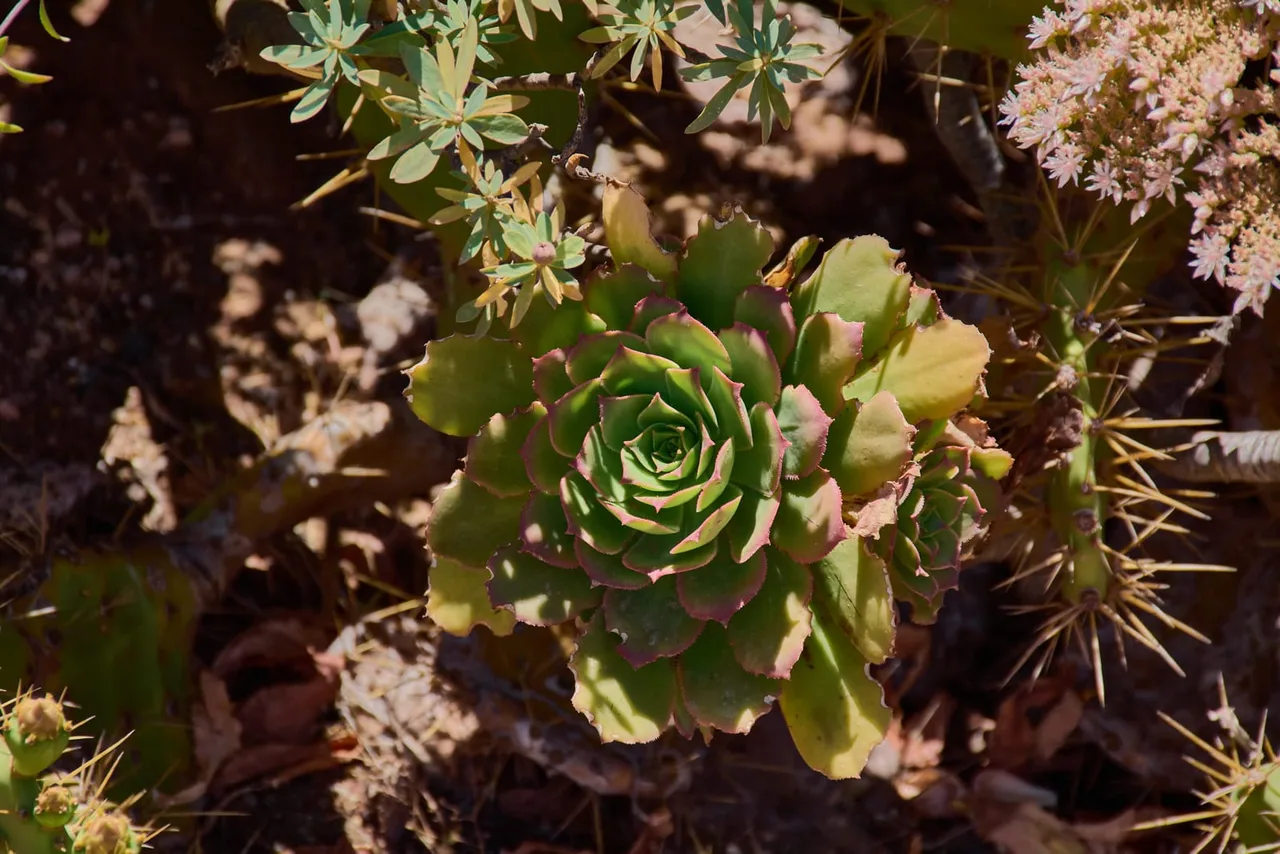
Desert agriculture has become a productive alternative for different communities in northern Chile, where agricultural innovation and efficient use of resources have made it possible to grow crops in extreme conditions.
Through initiatives linked to soil recovery, precision irrigation, and technical support, some localities have strengthened their agricultural activity and improved their quality of life.
One of the questions that often comes up on this topic is: what real examples exist where desert agriculture has improved the quality of life of communities in Chile? In different areas of the Pampa del Tamarugal and the Atacama Desert, there are experiences in which local farmers have driven sustainable agricultural projects with the support of institutions and companies such as SQM.
Agriculture in Arid Areas: The Challenge of Producing in the Desert
Developing agriculture in northern Chile means facing challenges associated with water scarcity, high soil salinity, and extreme climate conditions.
For years, many rural communities struggled to sustain agricultural activities because of:
- Soils with high salinity levels
- Limited access to water
- Low agricultural productivity
- High costs associated with land management
However, the incorporation of new technologies and agricultural solutions has changed this scenario in different localities in the north of the country.
Real Examples of Desert Agriculture in Chile
In areas of the Pampa del Tamarugal, farmers have managed to recover land affected by salinity and turn it into productive areas for growing vegetables and forage.
One of the most representative cases involves farming communities of the Pintados Agricultural Colony, where farmers implemented soil recovery processes using soil washing techniques, sand application, and agricultural improvement.
Thanks to this work, they now produce crops such as:
- Alfalfa
- Onion
- Chives
- Chard
- Melons and watermelons
These initiatives have strengthened local economic activity and improved the production conditions of families that depend on agriculture in extreme areas.
Agricultural Innovation and Efficient Water Use
The implementation of efficient irrigation technologies has been one of the most important factors in making desert agriculture viable.
In different communities in northern Chile, the following have been incorporated:
- Drip irrigation systems
- Water extraction pumps
- Solar panels to power irrigation systems
- Specialty fertilizers to optimize crops
These solutions help reduce water losses and improve agricultural yields in territories where water is a limited resource.
SQM’s Role in Agricultural Initiatives in Northern Chile
SQM takes part in programs aimed at strengthening local agriculture in arid areas of northern Chile.
Through initiatives such as Tamarugal Tierra Fértil, the company has supported farmers through:
- Technical advice
- Delivery of fertilizers and agricultural inputs
- Incorporation of irrigation technologies
- Support for soil recovery projects
This work seeks to strengthen the productive capacities of communities and contribute to agricultural development in territories with complex climate conditions.
How Desert Agriculture Impacts Quality of Life
Agricultural development in arid areas has not only a productive impact, but also a social and economic one.
In many communities in northern Chile, agriculture has made it possible to:
- Generate new sources of income
- Strengthen community work
- Improve local food security
- Drive sustainable agricultural projects
- Create opportunities for territorial development
The experience of desert farmers shows that agricultural innovation can become a concrete tool for improving quality of life in extreme territories.
Desert Agriculture: An Experience That Keeps Growing
The progress of desert agriculture in Chile reflects how the combination of technology, technical knowledge, and territorial collaboration can open up new productive opportunities.
As the challenges associated with climate change and water scarcity grow, initiatives like these continue to stand as an example of agricultural adaptation and innovation in arid areas.
Related newsSee all news →
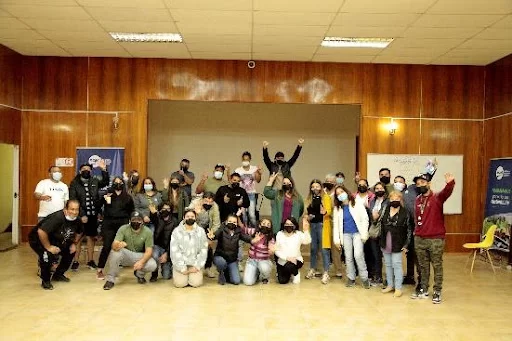
 Proyecto comunitario María Elena Sostenible gana categoría de Innovación Social
Rate certificates
Beginning with tax year 2020, Professional Fees Certificates must be requested by email, indicating your name and national identity card number.
Email us at [email protected] to access this information.
Supplier consultation
Dear suppliers:
If you have any questions regarding Purchase Orders (POs), please send us the document in PDF or JPG format (photograph) to the following email address: [email protected].
Please ensure that the PO is legible, especially the following fields: Company Name, order number, and the buyer’s name and contact details.
We will respond to your inquiries within 24 hours.