Specialty Fertilizers Made in Chile: Precision Nutrition That Helps Improve Crops in Arid Areas
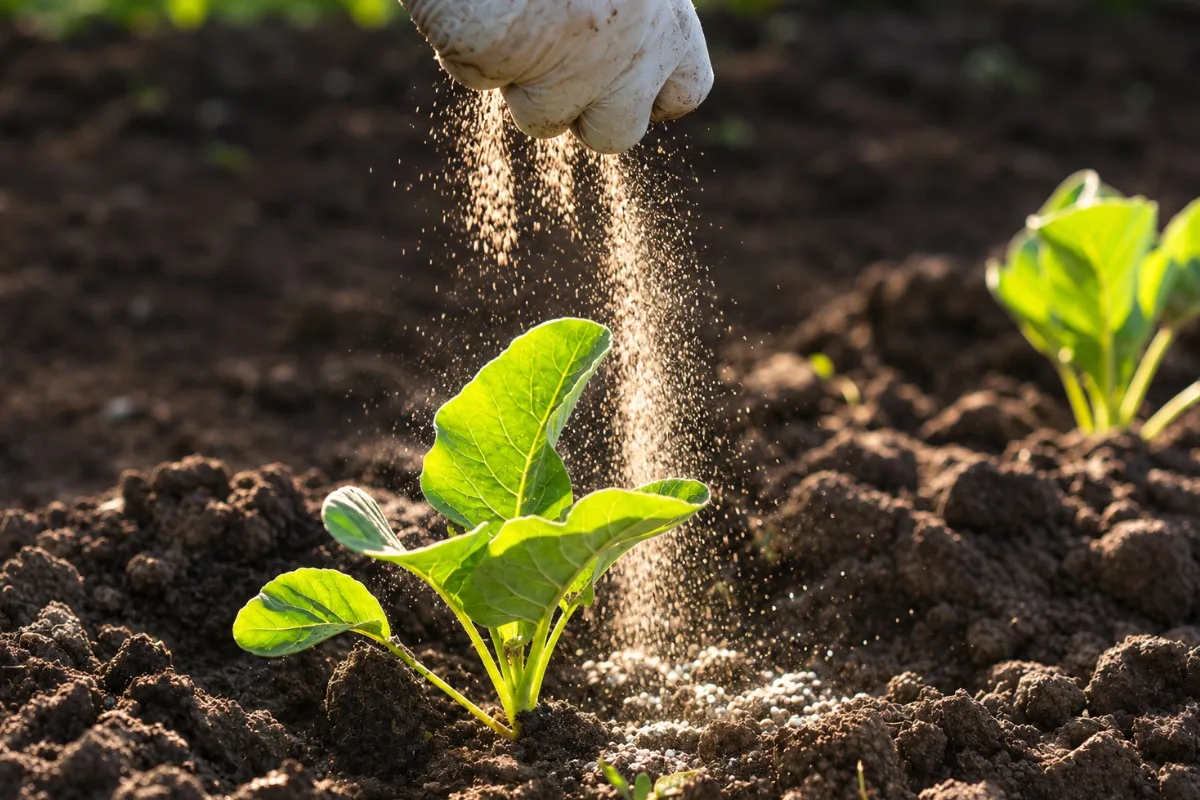
Precision plant nutrition is becoming increasingly relevant in agriculture in arid areas, where available water and soil conditions limit production possibilities. The use of soluble fertilizers, combined with fertigation and monitoring systems, makes it possible to adjust the nutrient supply to the needs of each crop.
This strategy seeks to improve fertilization efficiency, avoiding unnecessary applications and taking into account the different stages of plant development.
In territories such as northern Chile, the challenge is especially complex. High evaporation rates and the presence of salts can alter nutrient availability and make it harder for roots to absorb them.
According to a global assessment of salt-affected soils, about 1.4 billion hectares have problems related to salt accumulation.
These conditions make it necessary to consider fertilization as part of an agricultural management approach that also includes water quality and soil characteristics.
What Specialty Fertilizers Offer
Specialty fertilizers are distinguished by their formulations and by the application possibilities they offer for certain production systems.
These include potassium nitrate, a source of nitrogen and potassium used in plant nutrition programs. Its solubility makes it easy to incorporate into nutrient solutions intended for fertigation.
Potassium participates in physiological processes related to plant water regulation, while nitrogen is involved in forming compounds needed for growth.
Companies such as SQM participate in this market through specialty plant nutrition solutions together with brands such as Ultrasol, Qrop, Speedfol, and Allganic, with options for application through fertigation, soil, and foliar methods.
Choosing a product depends on the crop and its nutritional needs. A formulation suitable for a hydroponic system does not necessarily meet the conditions of a soil with salinity problems.
The Importance of Measuring Before Fertilizing
Precision nutrition requires information about the condition of the crop and the conditions in which it is grown.
Soil and water analyses make it possible to identify nutrient concentrations, salinity levels, and possible restrictions on plant growth.
With this background, farmers can define fertilization programs that take into account the needs of each production stage.
In fertigation systems, the electrical conductivity and pH of the nutrient solution are parameters that help control application conditions.
An excess of fertilizer can increase the concentration of salts around the roots. For that reason, applying more nutrients does not guarantee a better harvest.
Productivity and Resource Use Efficiency
Fertilization efficiency can be assessed through indicators such as the yield obtained per unit of nutrient applied, the quality of the harvest, and the costs associated with nutrient management.
In arid areas, these indicators must be analyzed together with water consumption and salt accumulation during the production cycle.
Digital monitoring tools and automated dosing systems offer possibilities for adjusting applications, although their adoption depends on the scale of the farm and the technical capacity available.
Agronomic research continues to explore how to improve crop response under water and salt stress. For desert producers, the most useful results will be those that can be translated into concrete recommendations, with verified doses and costs compatible with the reality of each farm.
Related newsSee all news →
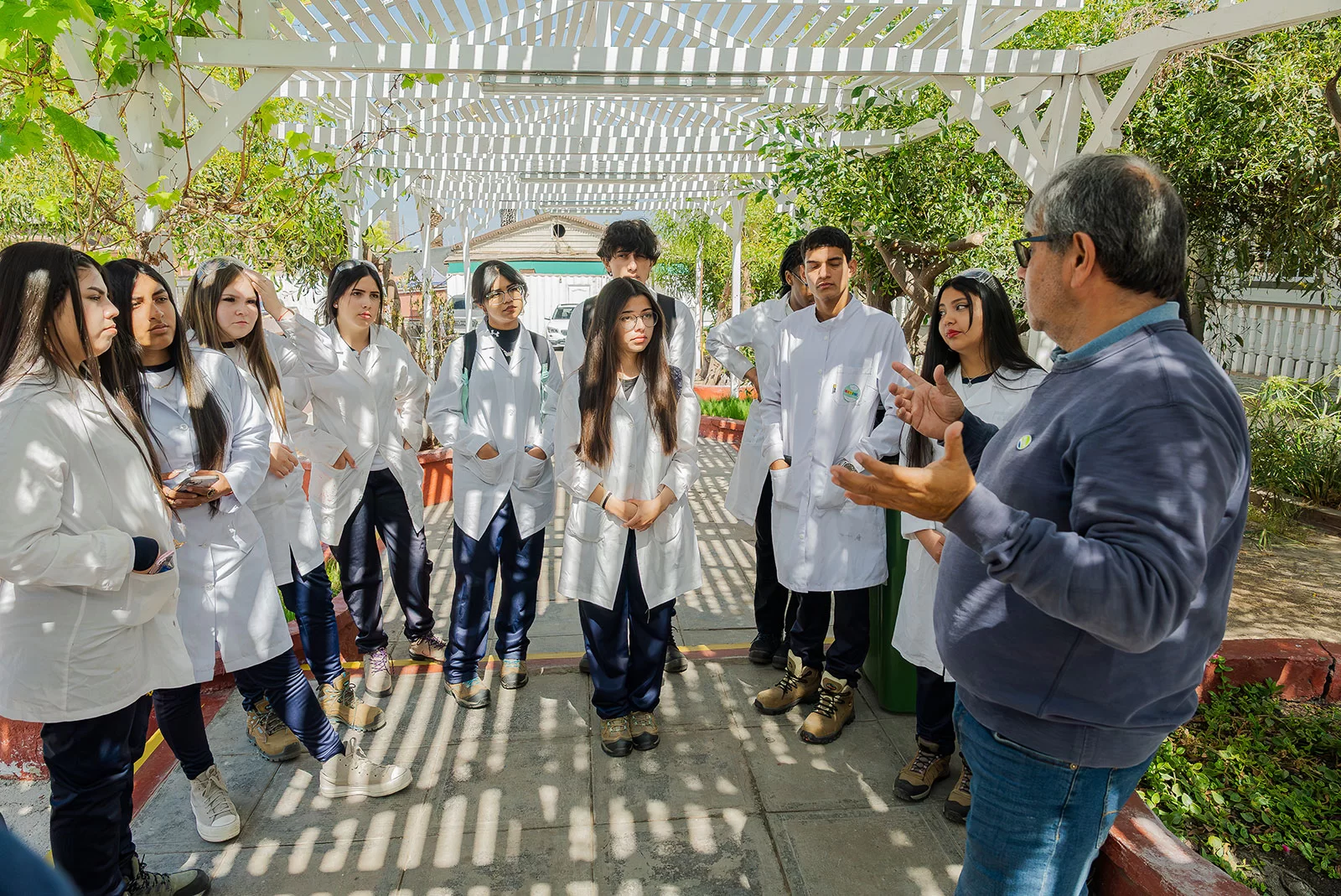
 Más de 70 estudiantes visitaron las dependencias de SQM Yodo Nutrición Vegetal en Antofagasta
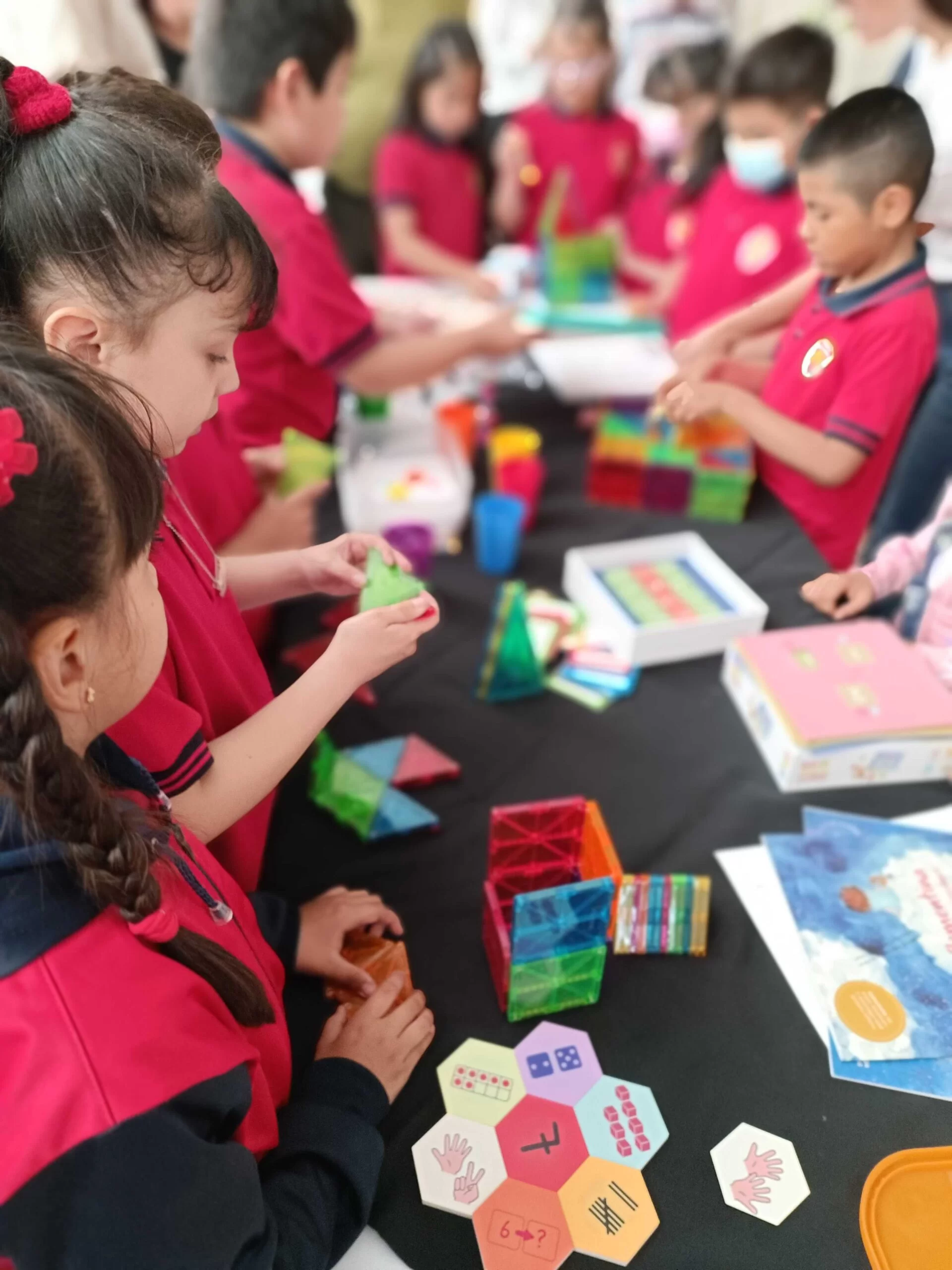 SQM cierra con éxito segunda versión de innovador programa implementado por Fundación VOA y Lab4U para mejorar calidad educativa en el norte del país

Rate certificates
Beginning with tax year 2020, Professional Fees Certificates must be requested by email, indicating your name and national identity card number.
Email us at [email protected] to access this information.

Supplier consultation
Dear suppliers:
If you have any questions regarding Purchase Orders (POs), please send us the document in PDF or JPG format (photograph) to the following email address: [email protected].
Please ensure that the PO is legible, especially the following fields: Company Name, order number, and the buyer’s name and contact details.
We will respond to your inquiries within 24 hours.