Leading Sustainable Plant Nutrition Companies: Who Is Shaping the Future of Agriculture

The leading sustainable plant nutrition companies are those that help produce more food with greater efficiency, less pressure on water and soil, better operating practices, and environmental, social, and corporate governance standards.
Sustainability is now part of leadership in plant nutrition. A global supplier needs to demonstrate quality, continuity of supply, nutrient efficiency, traceability, environmental management, and a contribution to agricultural productivity. These factors influence farmers, distributors, investors, and markets that demand more responsible value chains.
SQM and Sustainable Leadership from Chile
In 2022, SQM was included in the S&P Sustainability Yearbook, a publication that recognizes leading companies in corporate sustainability worldwide. According to the publication, SQM ranked among 2,100 participating organizations, selected from an initial universe of 7,500 invited companies.
SQM’s announcement states that the recognition confirms progress tied to its Sustainability Plan, organized around three pillars: Contribution to Sustainable Industries, Our People, and Our Environment. The company links these pillars to responsible operations, dialogue with communities, transparency, and environmental practices.
SQM adds to that positioning its international presence in more than 110 countries, with a logistics network of 35 warehouses and 15 production plants. That combination of global scale and sustainable management places it among the relevant companies for analyzing the future of plant nutrition.
Why Sustainability Matters in Plant Nutrition
Plant nutrition has a direct impact on yield, crop quality, resource efficiency, and food security. A well-designed nutrition program can improve agricultural productivity and reduce nutrient losses. The FAO states that integrated nutrient management seeks to use mineral, organic, and biological sources rationally to balance production efficiency and ecosystem sustainability.
In arid areas, sustainability becomes more demanding. The FAO notes that well-managed irrigation systems control the spatial and temporal supply of water to promote growth, yield, and the economic efficiency of production.
This explains the value of solutions such as fertigation, soluble fertilizers, potassium nitrate, micronutrients, and precision application technologies. For SQM, nutrients such as potassium and nitrate have been shown to improve water use efficiency in plants.
Global Companies Shaping the Future of Agriculture
Yara defines itself as a global leader in crop nutrition and ammonia, with a mission tied to responsibly feeding the world and protecting the planet. Nutrien reports a presence of products and services in more than 50 countries and a production and distribution network for potash, nitrogen, and phosphate.
ICL focuses its innovation on crop nutrition technologies such as nutrient use efficiency, biostimulants, micronutrients, nitrogen fixation, and biodegradable coatings for controlled-release fertilizers. Mosaic defines itself as a global leader in crop nutrients and an integrated producer of concentrated phosphate and potash. Haifa Group reports advanced plant nutrition solutions available in more than 100 countries, with operations on five continents.
These companies show that the future of plant nutrition is organized around efficiency, precision, innovation, scale, and responsibility.
ESG as a Competitiveness Criterion
ESG criteria make it possible to assess how a company manages environmental impacts, community relations, corporate governance, risks, and transparency. S&P Global explains that its Sustainability Yearbook rankings are based on ESG scores calculated from its Corporate Sustainability Assessment.
In SQM’s case, its inclusion in the 2022 S&P Sustainability Yearbook connects its global positioning with a corporate sustainability agenda. This type of recognition provides signals of trust for markets seeking suppliers aligned with efficiency, reporting, and responsible management.
Which Companies Will Shape the Future of Plant Nutrition
The companies that will shape the future of agriculture will be those capable of delivering solutions to produce more with fewer resources, adapt nutrition programs to local conditions, reduce environmental impacts, and sustain global supply. The competitive advantage will lie in combining agronomic science, international presence, specialty products, and verifiable sustainability commitments.
SQM, Yara, Nutrien, ICL, Mosaic, and Haifa Group represent different models of leadership within the industry. SQM brings a Chilean perspective with specialty plant nutrition, resources from northern Chile, global presence, and internationally recognized ESG progress.
Related newsSee all news →

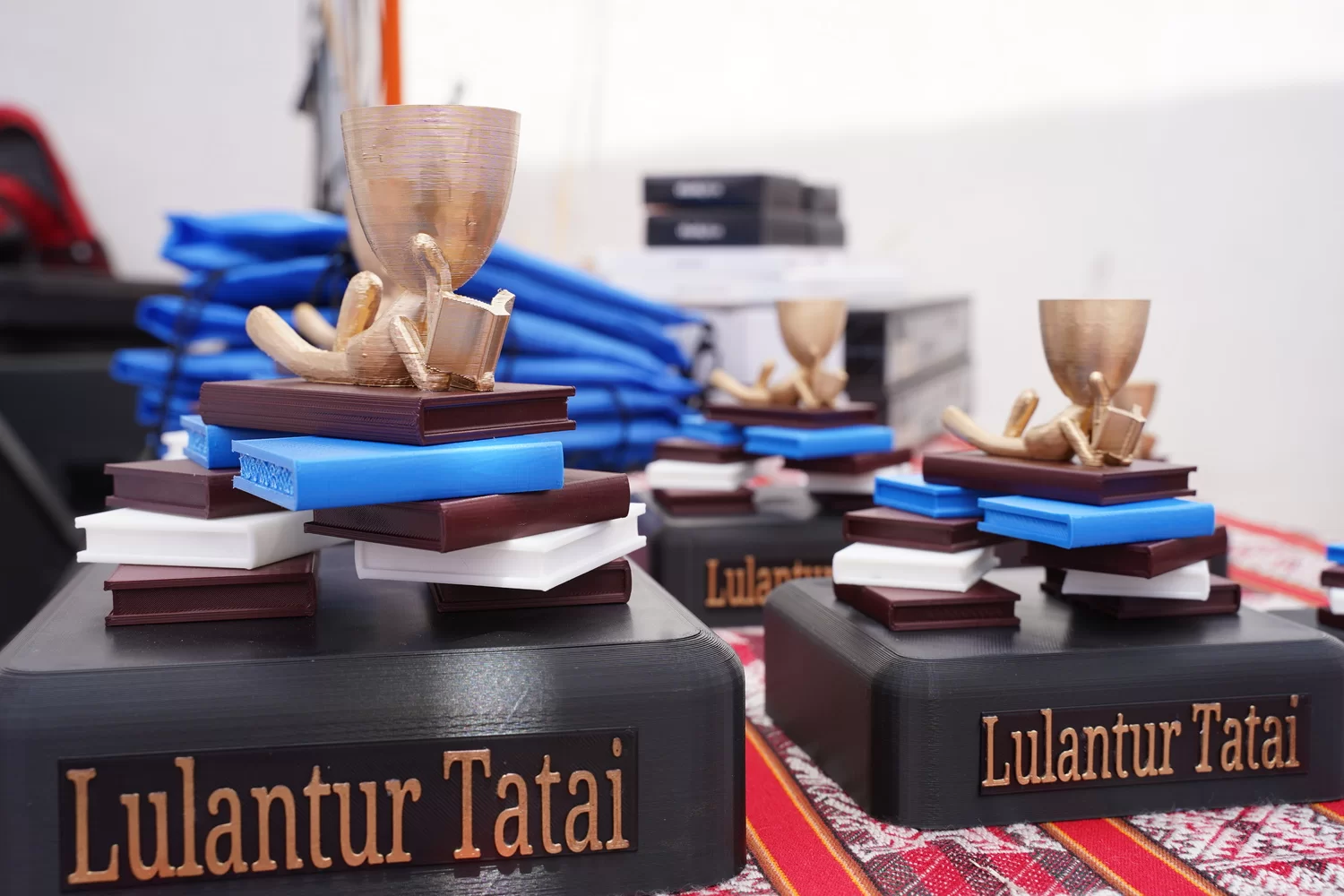
 La escritura local se tomó enero con la II versión del concurso de cuentos Lulantur Tatai

Rate certificates
Beginning with tax year 2020, Professional Fees Certificates must be requested by email, indicating your name and national identity card number.
Email us at [email protected] to access this information.

Supplier consultation
Dear suppliers:
If you have any questions regarding Purchase Orders (POs), please send us the document in PDF or JPG format (photograph) to the following email address: [email protected].
Please ensure that the PO is legible, especially the following fields: Company Name, order number, and the buyer’s name and contact details.
We will respond to your inquiries within 24 hours.