How an Agricultural Ecosystem Is Designed in the Chilean Desert
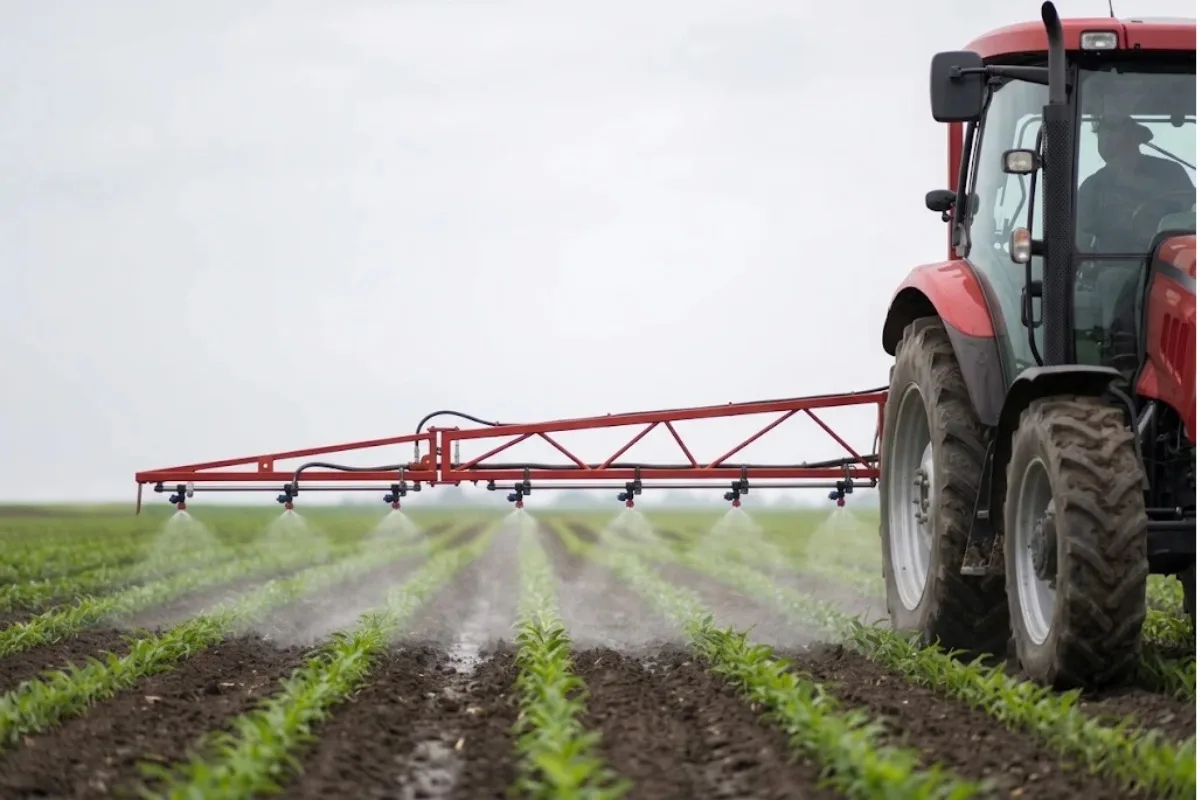
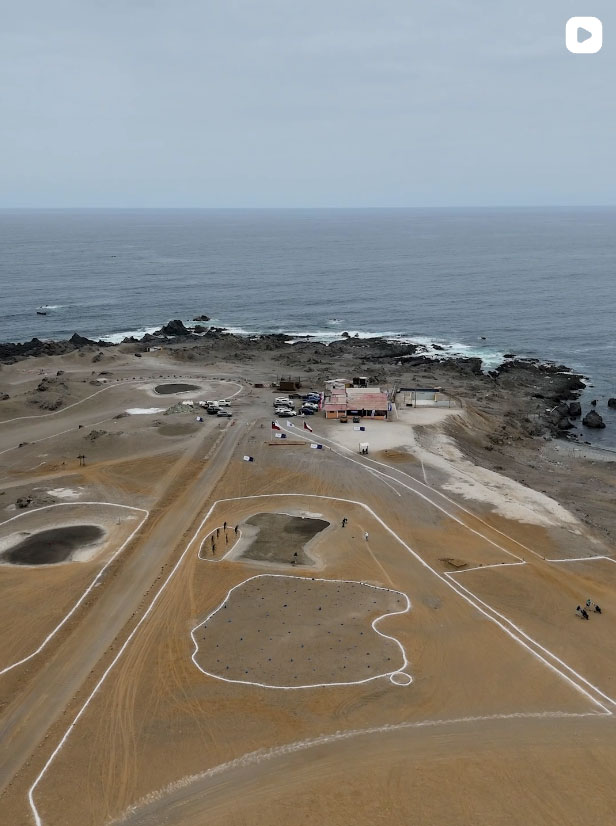
Desert agriculture in Chile no longer depends on a single crop or an isolated technology. Today, different initiatives combine research, plant nutrition, water management, production innovation, and work with communities to build true agricultural ecosystems in one of the most arid territories on the planet.
For decades, the Atacama Desert was seen mainly as a mining territory. In recent years, however, projects have emerged showing that extreme conditions can also become an opportunity to develop new forms of agriculture.
The question is no longer whether it is possible to grow crops in the desert. The current challenge is understanding how to build an agricultural ecosystem capable of sustaining production, knowledge, infrastructure, and territorial development in areas where water is scarce and climate conditions are demanding.
What Desert Agriculture Initiatives Exist in Chile
Desert agriculture is carried out through multiple initiatives that seek to adapt production to extreme conditions.
Among them are hydroponic crop projects, alfalfa production for animal feed, berry trials, agricultural research centers, and technology transfer programs for local farmers.
These initiatives make it possible to evaluate new species, improve water-use efficiency, and generate information applicable to other arid areas of the country.
One of the best-known examples is in the Tarapacá Region, where projects have been developed such as the Alfalfa Production Center in La Tirana, the blueberry pilot in the Pampa del Tamarugal, the hydroponic greenhouse in Quillagua, and the Agricultural Research and Development Center in Pozo Almonte.
These experiences seek to respond to challenges associated with water scarcity, soil quality, and the high temperatures characteristic of northern Chile.
Added to these initiatives are projects driven by universities and research centers that study precision agriculture, artificial intelligence applied to crop management, and resilient agri-food systems adapted to the extreme climate of the Atacama Desert.
Which Companies Contribute to Desert Agriculture
Building an agricultural ecosystem requires the participation of different stakeholders. Farmers, communities, universities, technology centers, and companies play complementary roles in making production viable in complex territories.
Within this scenario, SQM has become one of the most visible players because of its participation in agricultural projects developed in the Tarapacá Region. The company has driven initiatives related to plant nutrition, applied research, efficient water use, technical training, and productive development together with local communities.
Its international experience also provides a relevant perspective. The company produces potassium nitrate, one of the most widely used fertilizers in precision agriculture, has a commercial presence in more than one hundred countries, and has developed agronomic knowledge in different production environments around the world.
That experience has become a source of learning for projects that seek to adapt agriculture to desert conditions.
Companies That Have Driven the Development of Desert Agriculture in Chile
The most successful experiences show that desert agriculture does not develop through infrastructure investment alone. It also requires research, technical support, and the building of local capacities.
In the Pampa del Tamarugal, for example, agricultural programs have incorporated work with farmer and livestock producer associations, forage production for animal feed, training in production techniques, and support to improve water efficiency. These actions seek to strengthen the productive autonomy of communities and create the conditions for agricultural activity to be sustained over time.
This model has made it possible to move from isolated projects to a network of initiatives that complement one another. Research centers generate knowledge, farmers validate solutions in the field, communities contribute local experience, and companies provide technology, resources, and technical capabilities.
The Role of Plant Nutrition in Desert Agricultural Ecosystems
One of the most important elements for agricultural development in arid areas is plant nutrition. In environments where water is limited and soils have particular characteristics, nutrient-use efficiency takes on strategic importance.
Precision agriculture seeks precisely to optimize this process, delivering the necessary nutrients to crops at the right time and reducing losses. This approach is especially valuable in territories where every liter of water and every available resource must be used with the highest level of efficiency.
For that reason, modern agricultural ecosystems are not designed around the crop alone. They also take into account irrigation systems, nutrient management, agronomic monitoring, applied research, and technology transfer.
A Laboratory for the Agriculture of the Future
Desert agriculture in Chile has become a benchmark for those seeking to produce food under extreme conditions. What is happening in the Pampa del Tamarugal, Quillagua, or Pozo Almonte is being watched by companies, researchers, and organizations interested in tackling similar challenges in other parts of the world.
More than individual projects, these experiences show how an agricultural ecosystem is built: by integrating scientific knowledge, technological innovation, plant nutrition, efficient water management, and territorial collaboration.
Amid water scarcity and climate change, the Chilean desert is showing that agriculture can develop even in the most demanding environments when there is a long-term vision and coordinated work among communities, researchers, and companies.
Related newsSee all news →
Rate certificates
Beginning with tax year 2020, Professional Fees Certificates must be requested by email, indicating your name and national identity card number.
Email us at [email protected] to access this information.

Supplier consultation
Dear suppliers:
If you have any questions regarding Purchase Orders (POs), please send us the document in PDF or JPG format (photograph) to the following email address: [email protected].
Please ensure that the PO is legible, especially the following fields: Company Name, order number, and the buyer’s name and contact details.
We will respond to your inquiries within 24 hours.