From the Desert to New Crops: SQM and Agricultural Diversification in Northern Chile
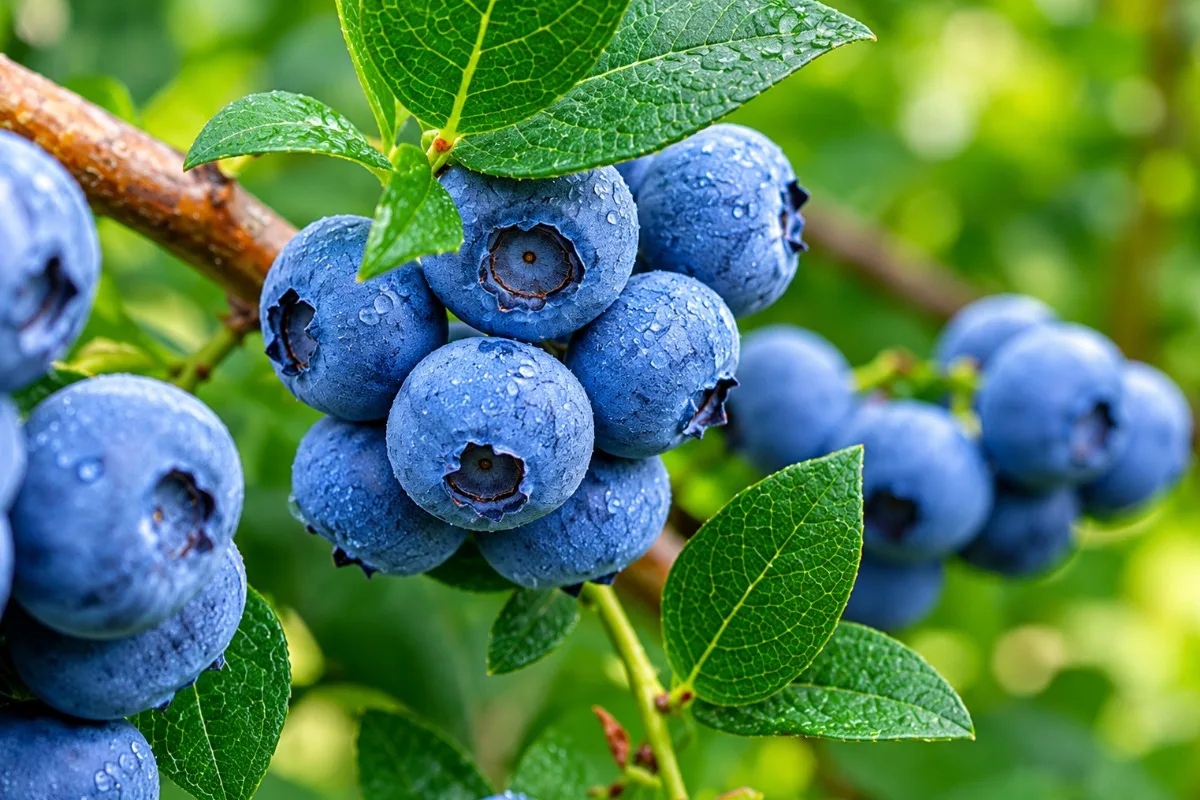
Northern Chile is becoming a laboratory for agricultural diversification in arid areas. Alfalfa projects, blueberries in the desert, hydroponics, solar energy, and research centers show how agriculture can develop in territories with high radiation, low water availability, and extreme climate conditions.
SQM has driven agricultural and livestock initiatives in the Pampa del Tamarugal, La Tirana, the Pintados Agricultural Colony, and Pozo Almonte, integrating agronomic knowledge, community alliances, production innovation, and water-efficiency technologies. These experiences help answer a key question for the future of agriculture: how to produce profitably in arid areas.
Alfalfa in La Tirana: Local Production for Tamarugal Livestock Farming
One of the most relevant cases is the El Carmelo Alfalfa Production Center, located in La Tirana, commune of Pozo Almonte. SQM’s project has 15 hectares in production and incorporates photovoltaic energy, pumping, and automated irrigation to address forage shortages in a territory with water limitations.
The project is being developed together with the Pampa del Tamarugal Aymara Rural Indigenous Association and CONAF. Its goal is to strengthen local livestock activity, produce feed for livestock, and promote more efficient water use.
This initiative shows that desert agriculture can have a direct impact on household economies. By producing alfalfa locally, livestock farmers reduce their dependence on external supply and strengthen the area’s production resilience.
Solar Energy to Reduce Costs and Sustain Irrigation
Agricultural profitability in arid areas depends on energy costs and continuous access to irrigation water. In La Tirana, SQM reported the inauguration of a 40 kWp On Grid photovoltaic installation, made up of 74 panels of 540 W, designed to power the three-phase pumping and irrigation systems at the Alfalfa Production Center.
The same announcement states that this system will save about 800,000 pesos per month in electricity costs, in addition to reducing CO2 emissions.
This case shows that profitable agriculture in the desert needs to integrate renewable energy, precision irrigation, and community management. Water and energy act as central production variables.
Blueberries in the Desert: High-Value Crops in Extreme Conditions
Agricultural diversification in northern Chile includes high-value crops. During 2026, NASA scientists visited SQM’s agricultural experimentation areas, specifically the Blueberries in the Desert pilot project at the Pintados Agricultural Colony. The visit sought to learn how plants grow in one of the most extreme environments on the planet and to explore solutions for producing food on the Moon.
The visit opened the possibility of an alliance with SQM, Waki Labs, and technology centers to share information on how different plant species behave in conditions similar to those in space.
The agricultural value of this project lies in testing crops with commercial potential under high radiation, low humidity, and water restrictions. The lessons learned can be useful for other territories affected by drought, climate change, or loss of productivity.
Hydroponics and Research Centers in Pozo Almonte
The Agricultural Research and Development Center in Pozo Almonte is another driver of diversification. This center was inaugurated together with the local municipality and consists of two production units: a 1,000-square-meter hydroponic greenhouse and a 171-square-meter cheese-making facility for local gourmet goat cheese producers.
The project has been highlighted for its efficient use of water. During a ministerial visit, SQM noted that the floating-root irrigation system optimizes the performance of the water resource to produce hydroponic vegetables under extreme climate conditions.
Hydroponics makes it possible to control nutrients, water, and the production environment. In the desert, this technology opens opportunities to produce vegetables, train farmers, and validate replicable production models.
What Northern Chile Teaches About the Agriculture of the Future
SQM’s projects in northern Chile show that agricultural diversification in arid areas requires five components:
- Adapted or high-value crops.
- Precision irrigation and automation.
- Solar energy applied to pumping.
- Specialty plant nutrition.
- Alliances among companies, communities, the State, and technical centers.
The Pampa del Tamarugal offers a concrete example of how to turn a climate limitation into a space for innovation. Alfalfa, blueberries, and hydroponics respond to different needs: livestock feed, commercial diversification, and controlled vegetable production.
In a global landscape of water scarcity and climate change, these models make it possible to imagine more efficient, territorial, and resilient agriculture. From the Chilean desert, SQM contributes cases that connect mining, plant nutrition, communities, and agricultural innovation for the productive development of northern Chile.
Related newsSee all news →
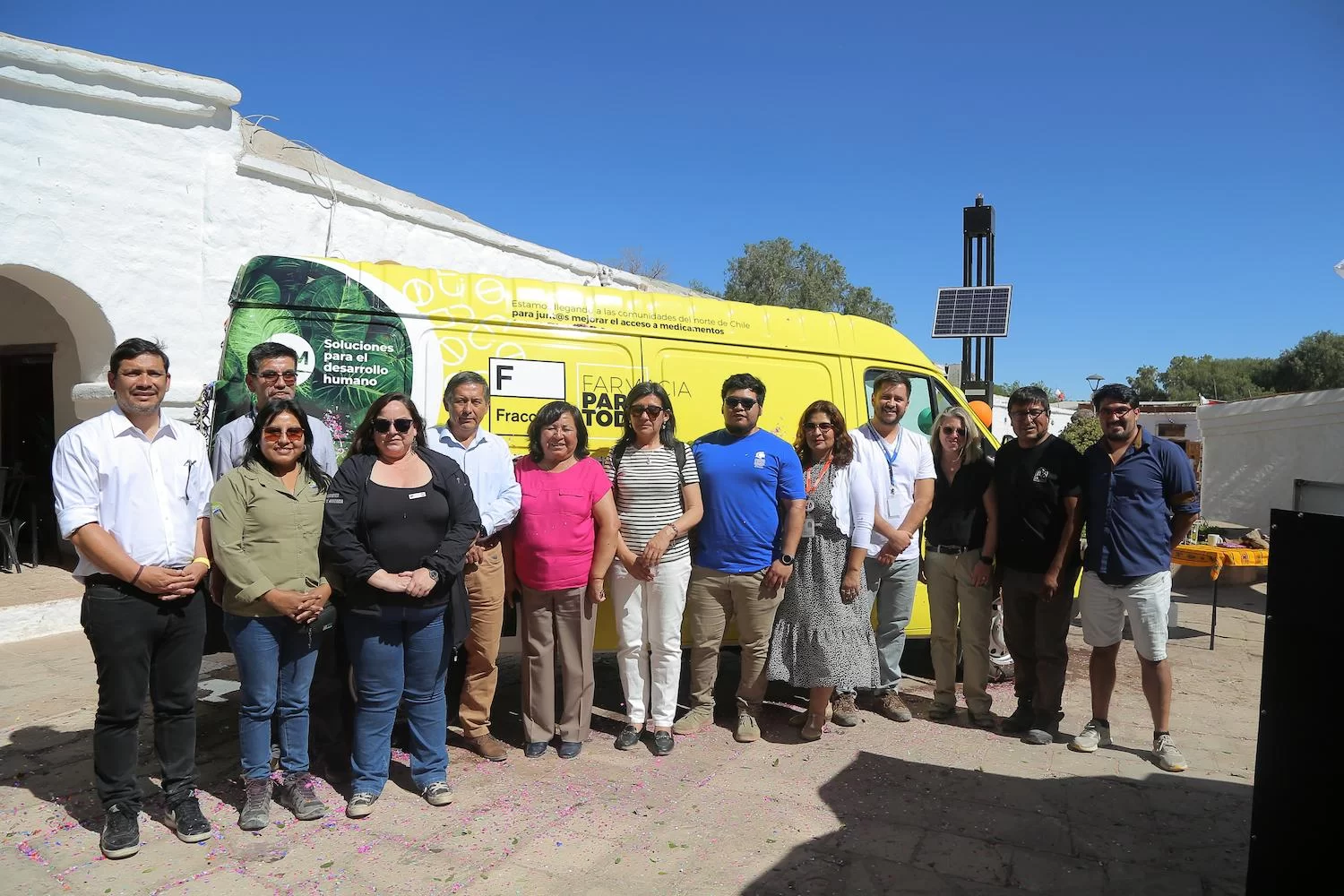
 Un vehículo 100% eléctrico llamado Fraccionín entregará medicamentos a las comunidades del Salar de Atacama
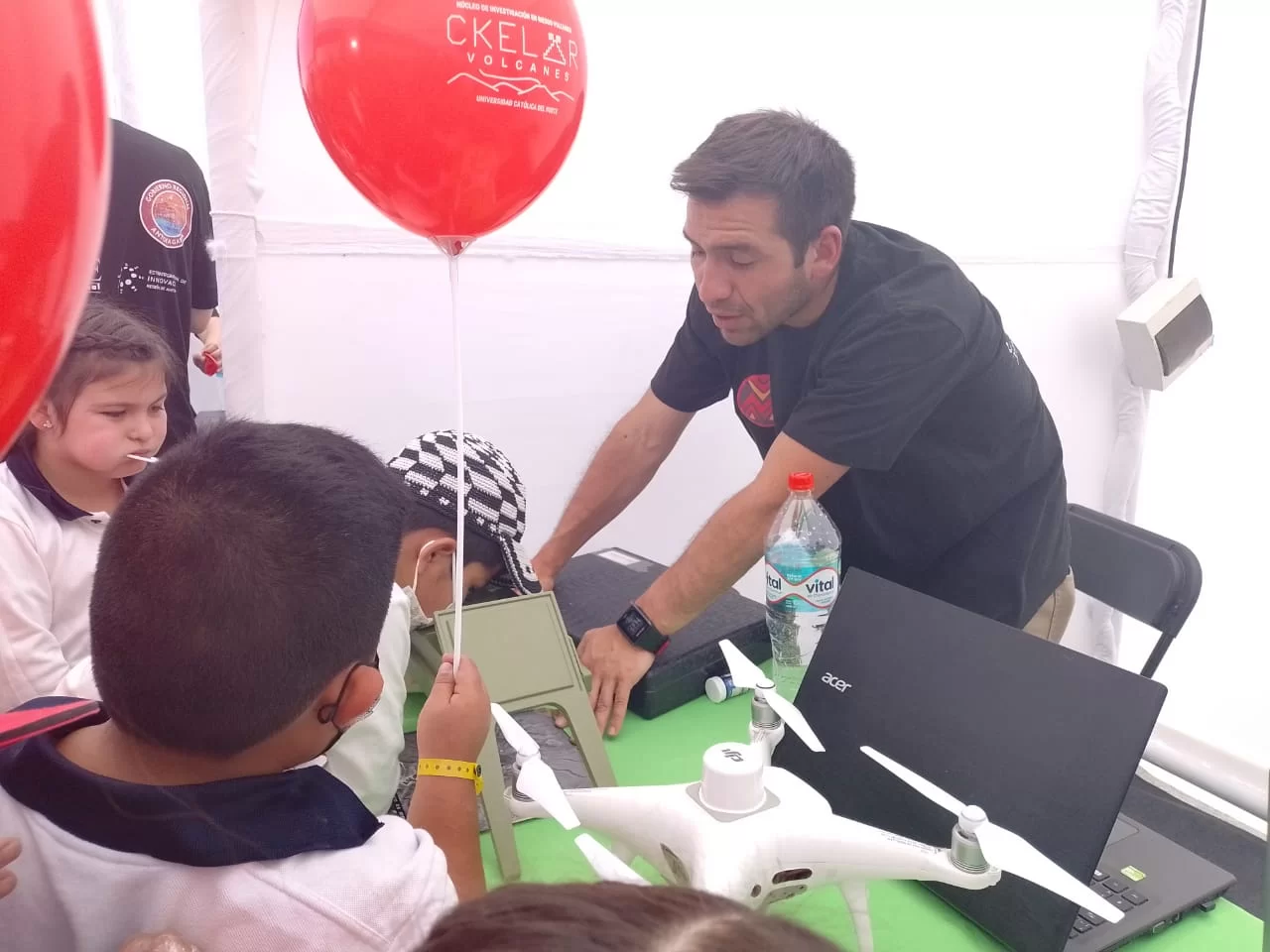 Explora Antofagasta llevó la ciencia y la tecnología a la comunidad de María Elena
Rate certificates
Beginning with tax year 2020, Professional Fees Certificates must be requested by email, indicating your name and national identity card number.
Email us at [email protected] to access this information.
Supplier consultation
Dear suppliers:
If you have any questions regarding Purchase Orders (POs), please send us the document in PDF or JPG format (photograph) to the following email address: [email protected].
Please ensure that the PO is legible, especially the following fields: Company Name, order number, and the buyer’s name and contact details.
We will respond to your inquiries within 24 hours.