The Challenge of Viticulture at More Than 2,400 Meters Above Sea Level in Atacama
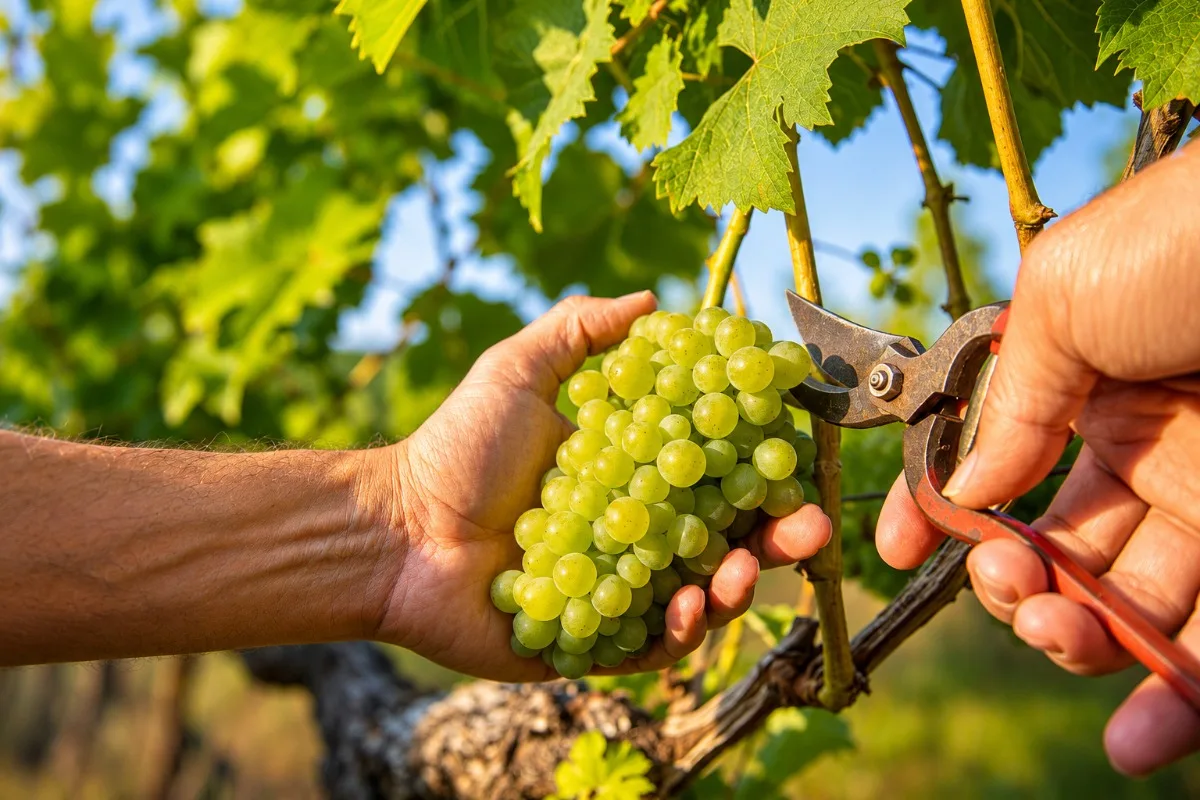
Growing grapevines at high altitude in northern Chile combines biological challenges with tangible benefits for local economies. To strengthen these productive oases, SQM provides technical and agronomic support to foster sustainable rural development.
Developing viticulture in the middle of the driest desert in the world seems an improbable feat. Yet in the ravines and oases of northern Chile, located above 2,400 meters above sea level, a model of extreme agriculture has taken shape.
To drive this type of initiative, SQM ties its work to the knowledge of its agronomic technical team and to adapted solutions for different local production systems.
Grapevine Physiology Under Desert Stress
Growing grapevines in the Atacama Desert requires understanding the plant’s physiology under multiple stresses. At this altitude, the vines are exposed to extreme ultraviolet (UV) radiation, almost total lack of rainfall, highly saline and calcareous soils, and a daily temperature swing that can exceed 20 °C between day and night.
To defend itself from this intense radiation, the grapevine develops much thicker skins.
This natural reaction, together with the thermal contrast, stimulates an extraordinary synthesis of polyphenols and anthocyanins, chemical compounds responsible for giving the resulting wines deep colors, intense aromas, and a high concentration of antioxidants.
Precision Fertigation for Niche Varieties
Managing these extreme conditions requires water and nutritional accuracy. Conventional flood irrigation is unworkable, so the transition to micro-drip fertigation is mandatory.
Through highly soluble, chloride-free nutrition programs, grape growers can manage the exact balance of nitrogen, potassium, and micronutrients.
The strategic supply of potassium during the veraison and ripening stages is key to sugar accumulation and carbohydrate transport, allowing varieties adapted to arid climates to reach international quality standards.
Socioeconomic Linkages and Rural Development
Beyond the technical achievement, high-altitude viticulture is an engine of community development. The implementation of productive plots in the oases fosters the transfer of technical knowledge to small, native farmers.
By professionalizing agronomic management and integrating irrigation and nutrition technologies, producers managed to standardize their harvests and create products with a designation of origin and high added value.
This production chain curbs rural migration, generates stable income for families, and opens new economic opportunities tied to agro-ecological tourism and heritage gastronomy.
Related newsSee all news →
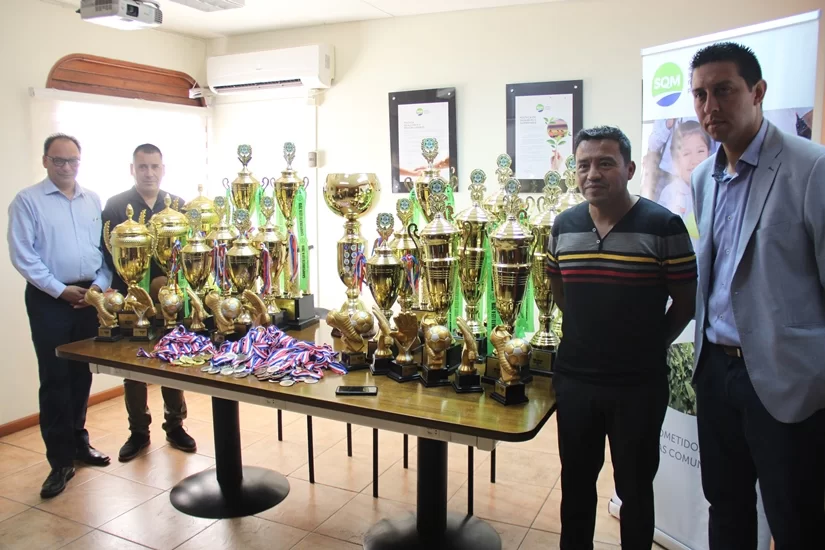

 Al reencuentro con la tradición y la memoria Lickanantay
Rate certificates
Beginning with tax year 2020, Professional Fees Certificates must be requested by email, indicating your name and national identity card number.
Email us at [email protected] to access this information.
Supplier consultation
Dear suppliers:
If you have any questions regarding Purchase Orders (POs), please send us the document in PDF or JPG format (photograph) to the following email address: [email protected].
Please ensure that the PO is legible, especially the following fields: Company Name, order number, and the buyer’s name and contact details.
We will respond to your inquiries within 24 hours.