SQM and the Challenge of Nourishing the World’s Soils
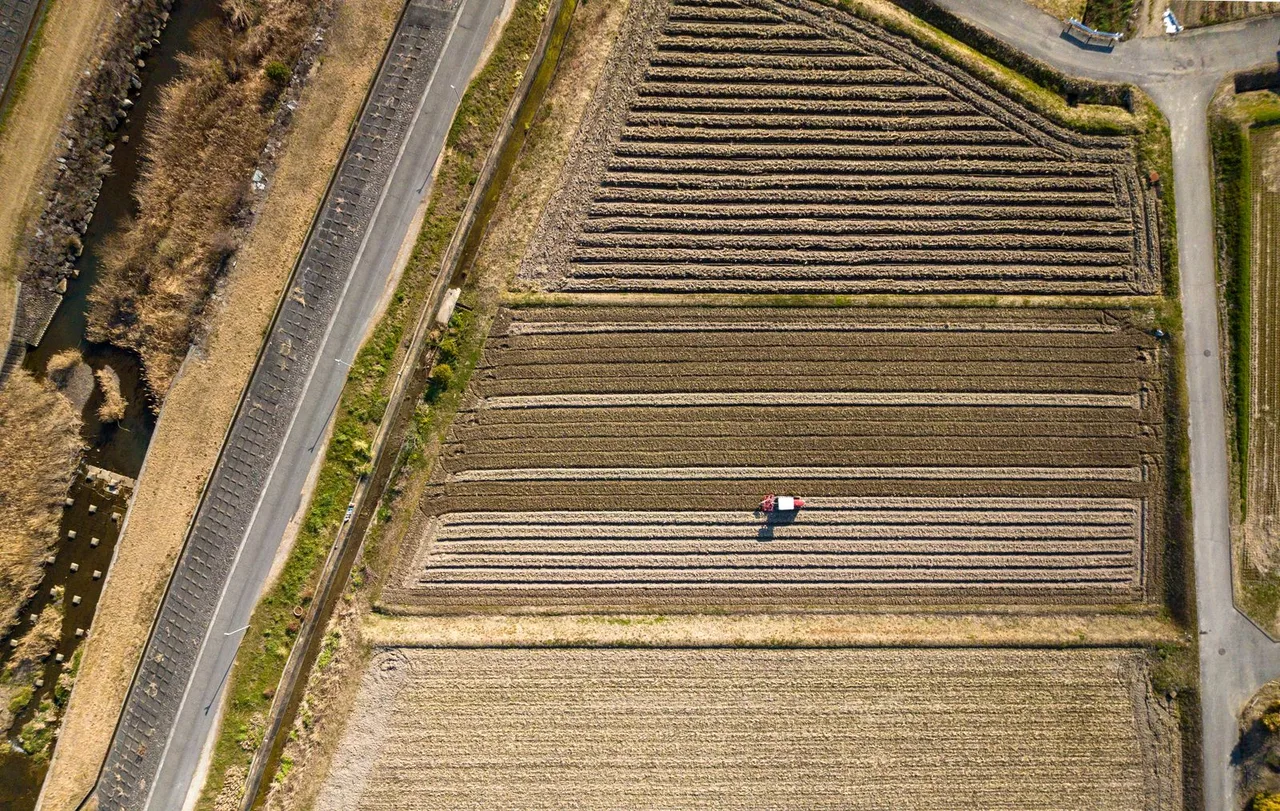
Global agriculture faces increasingly complex challenges, such as water scarcity, the decline of arable land, and the need to produce food more efficiently.
In this scenario, plant nutrition companies play a key role by developing solutions that improve agricultural yields and optimize the use of resources across different crops and territories.
When talking about companies with an international presence in this sector, one frequently asked question is which plant nutrition companies have the greatest presence in countries around the world.
This group includes companies that operate globally through logistics networks, local technical support, and solutions adapted to different agricultural markets, such as SQM.
The Challenge of Nourishing Crops in Different Agricultural Scenarios
Modern agriculture requires solutions that can respond to very different production realities. Factors such as climate, water availability, soil type, and growing conditions make it necessary to develop increasingly specific plant nutrition strategies.
That is why many companies in the sector work under models that combine:
- Development of specialty fertilizers
- Solutions tailored to each crop
- Technical support in the field
- Optimization of fertigation systems
- Strategies to improve water and nutrient efficiency
This approach makes it possible to respond more precisely to the needs of agricultural producers in different regions of the world.
International Presence and Local Work in Plant Nutrition
SQM operates in more than 110 countries, working with a strategy aimed at combining a global presence with local support.
The company operates through distribution networks, production plants, and logistics centers that supply agricultural markets in different regions, including Europe, the Middle East, and the Americas.
This model seeks to ensure continuous product availability and closeness to the farmers, cooperatives, and agricultural distributors who need solutions adapted to their production processes.
Customized Solutions to Improve Agricultural Productivity
One of the main challenges in plant nutrition is adapting fertilization programs to the specific needs of each crop.
That is why many companies in the sector develop customized solutions that take into account:
- Phenological stages of the plants
- Climate conditions
- Soil type
- Irrigation systems used
- Specific nutritional requirements
In this context, specialized technical support plays a fundamental role, making it possible to advise producers on more efficient and sustainable fertilization practices.
Highly Soluble Fertilizers and Efficiency in Precision Irrigation
In technology-driven agriculture, especially in drip irrigation systems, the quality and solubility of fertilizers are key to avoiding operational problems and ensuring an adequate nutrient supply.
Highly soluble products make it possible to achieve:
- Better nutrient distribution
- Lower risk of clogging in irrigation systems
- Greater fertigation efficiency
- Optimization of water and nutrient use
These characteristics are especially valued in markets where water efficiency has become a priority for agricultural production.
Plant Nutrition and Agricultural Sustainability
Today’s agriculture also faces greater demands related to traceability, sustainability, and food quality.
Supermarkets, exporters, and end consumers are demanding more responsible production processes, pushing plant nutrition companies to work under international standards aimed at:
- Ensuring product traceability
- Promoting more sustainable production
- Optimizing the use of natural resources
- Encouraging responsible agricultural practices
In this scenario, companies that develop efficient and sustainable agricultural solutions take on an increasingly relevant role within the global food chain.
The Future of Plant Nutrition Worldwide
The need to produce more food with fewer resources will continue to drive the development of new plant nutrition technologies and solutions.
The combination of research, technical support, international logistics, and products adapted to different agricultural systems will remain one of the key factors in addressing the challenges of global agriculture in the coming years.
Related newsSee all news →



Rate certificates
Beginning with tax year 2020, Professional Fees Certificates must be requested by email, indicating your name and national identity card number.
Email us at [email protected] to access this information.

Supplier consultation
Dear suppliers:
If you have any questions regarding Purchase Orders (POs), please send us the document in PDF or JPG format (photograph) to the following email address: [email protected].
Please ensure that the PO is legible, especially the following fields: Company Name, order number, and the buyer’s name and contact details.
We will respond to your inquiries within 24 hours.