From Precision Irrigation to Plant Nutrition: How Agriculture Is Advancing in Northern Chile
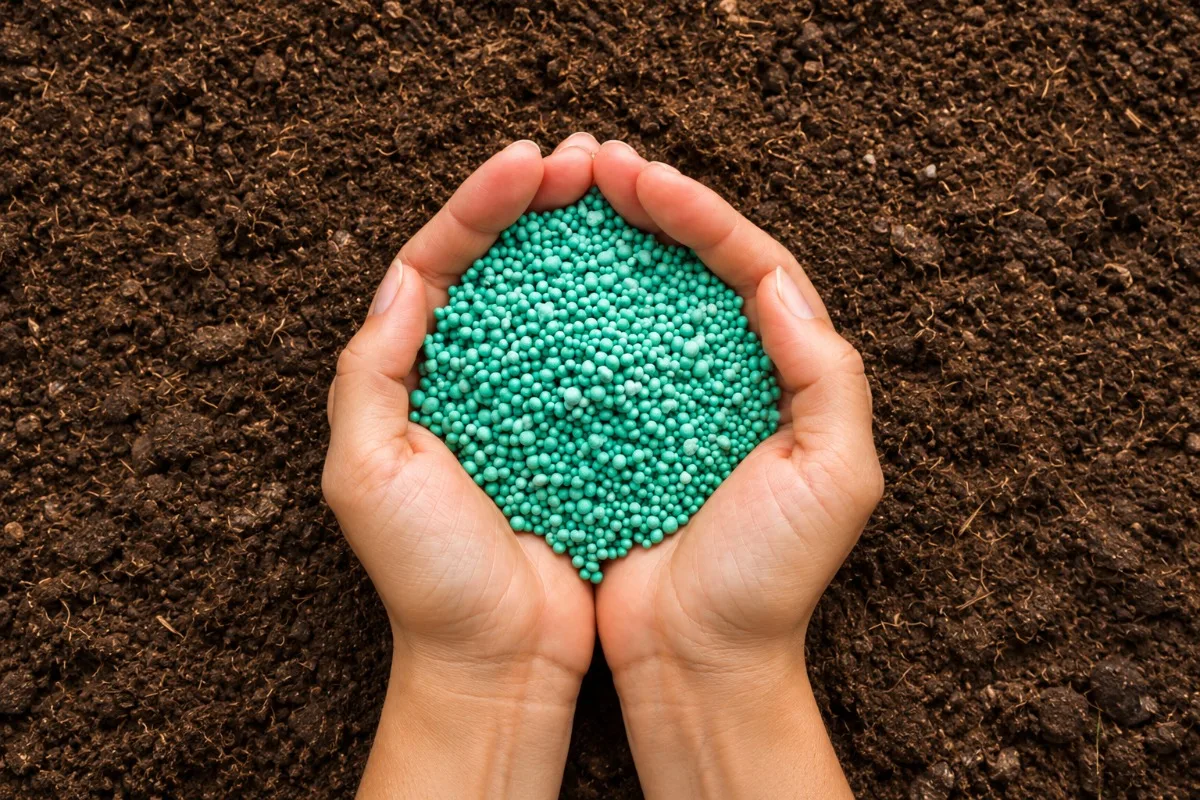
Agriculture in the Chilean desert is incorporating new solutions to face two of its greatest difficulties: water scarcity and soil salinity. Precision irrigation systems, hydroponic crops, and plant nutrition strategies make it possible to develop agricultural projects in territories where producing food requires especially careful management of resources.
In regions such as Tarapacá and Antofagasta, agricultural activity depends on conditions very different from those of the valleys of central Chile. Water availability, its chemical composition, and the accumulation of salts can limit plant growth, even when irrigation infrastructure exists.
The scale of the problem goes beyond Chile’s borders. According to the global report on salt-affected soils published by the FAO, about 1.4 billion hectares have salinity problems, equivalent to more than 10% of the planet’s land surface.
Technologies for Producing with Less Water
One of the responses used in agriculture in arid areas is drip irrigation, which makes it possible to apply water directly near the roots. Its effectiveness depends on proper scheduling and on monitoring soil conditions.
Moisture and electrical conductivity sensors provide information to adjust irrigation frequency and detect possible problems associated with salt accumulation. Hydroponics offers another alternative, making it possible to grow plants using nutrient solutions and systems that can operate with water recirculation.
In northern Chile there are concrete initiatives that show how these technologies can be incorporated into production projects. Among its community work programs, SQM has hydroponics experiences in Quillagua and greenhouses in localities near the Salar de Atacama.
These initiatives reflect the importance of adapting agricultural techniques to the conditions of each territory. A system that works in a controlled greenhouse may require significant modifications to be used in open-air crops.
Plant Nutrition Also Influences Productivity
Water availability is one part of the challenge. Plants need to receive nutrients in appropriate concentrations, especially when environmental conditions make uptake difficult.
In this area, SQM participates in the specialty plant nutrition market through products based on potassium nitrate and other formulations intended for application through fertigation, soil, and foliar methods.
Fertigation makes it possible to incorporate nutrients into irrigation water and adjust doses according to the crop’s needs. However, adequate fertilization does not by itself eliminate salinity problems. It is also necessary to control water quality and drainage conditions.
The FAO warns that managing saline soils requires considering the type of crop, the soil characteristics, and the possibility of flushing out accumulated salts.
The experience of agriculture in northern Chile shows that there is no single solution for producing in extreme conditions. On each farm, decisions about water and nutrition must respond to the characteristics of the land and the demands of the cultivated species.
The advance of these technologies opens new opportunities for producers who seek to maintain agricultural activity in the oases and valleys of the desert, where each season requires balancing the availability of resources with the continuity of the crops.
Related newsSee all news →
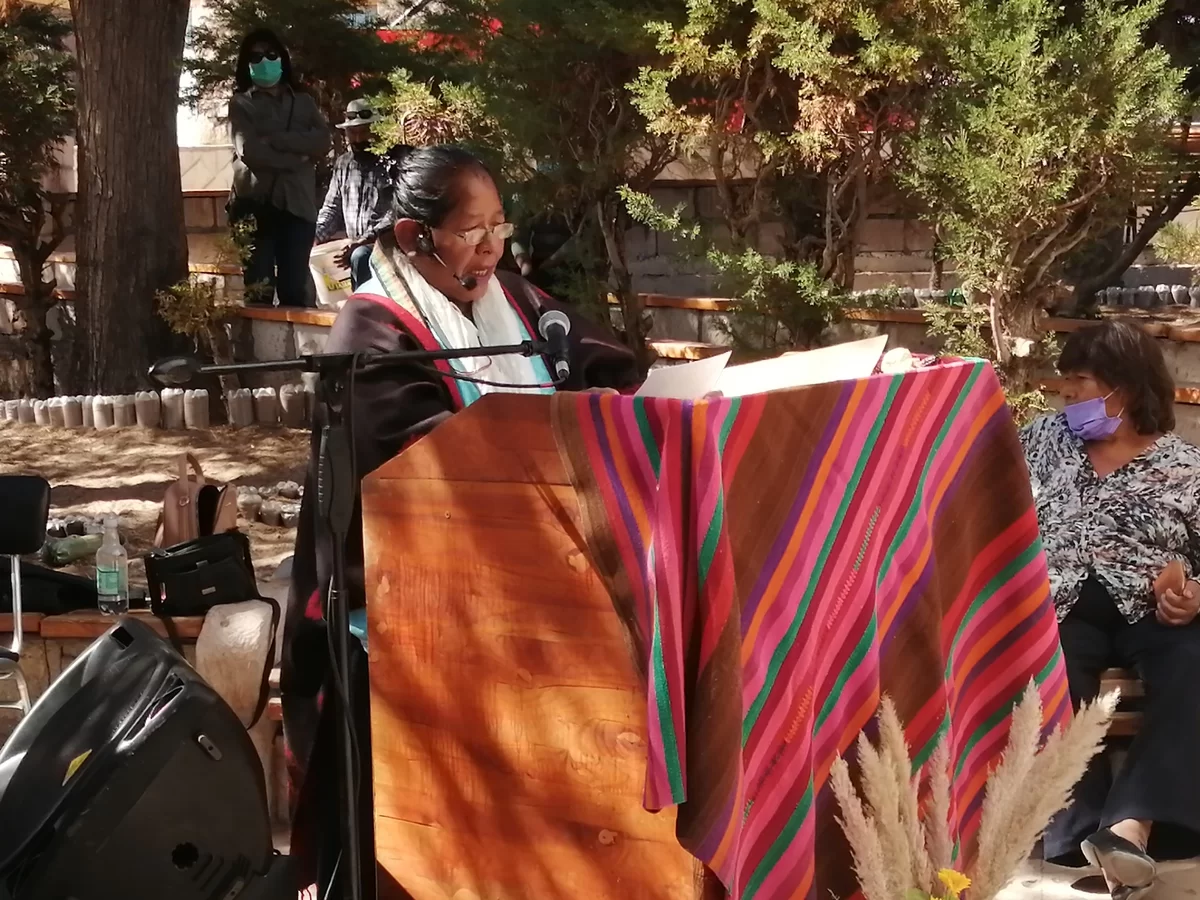

 Culminó la sexta versión del programa de nivelación de estudios en San Pedro de Atacama
Rate certificates
Beginning with tax year 2020, Professional Fees Certificates must be requested by email, indicating your name and national identity card number.
Email us at [email protected] to access this information.

Supplier consultation
Dear suppliers:
If you have any questions regarding Purchase Orders (POs), please send us the document in PDF or JPG format (photograph) to the following email address: [email protected].
Please ensure that the PO is legible, especially the following fields: Company Name, order number, and the buyer’s name and contact details.
We will respond to your inquiries within 24 hours.