Plant Nutrition Technologies: How to Increase Agricultural Yields in the Desert
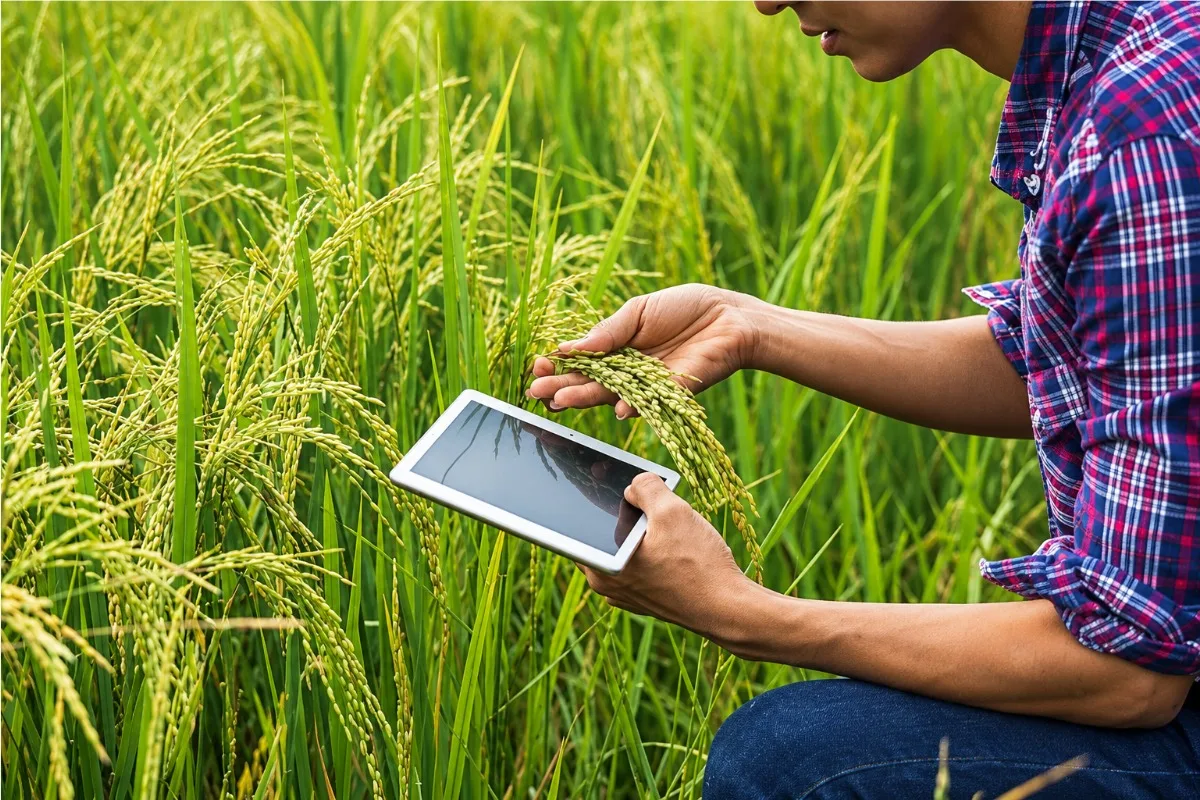
From smart fertigation to nanobubble injection and bioinputs, discover the tools that are turning the extreme aridity of northern Chile into a high-performance agri-food hub.
To improve yields in desert agriculture in Chile, it is essential to apply advanced plant nutrition technologies that mitigate water stress and the naturally high salinity of the soils.
Today, farmers and specialized companies such as SQM are achieving results superior to those of traditional agricultural areas by adopting automated fertigation systems, soilless hydroponic crops, nanobubble injection at the roots, and the development of biofertilizers from extremophile microorganisms.
Which Plant Nutrition Technologies Improve Desert Agriculture Yields?
The extreme conditions of high soil salinity, severe solar radiation, and water scarcity are being tackled through precision agriculture technologies developed by academic institutions, startups, and specialty companies such as SQM.
These technologies make it possible to reduce plant water stress and apply micro- and macronutrients with surgical precision, ensuring commercial yields that are even higher than those obtained in traditional areas.
Main Nutrition and Management Technologies in Arid Areas
The agricultural innovation model of the Chilean desert is based on the following nutrition and irrigation technologies:
- Reverse Osmosis Fertigation Systems: This is the base technology for farming in the desert. It makes it possible to mix highly soluble fertilizers (such as potassium nitrate) directly into the flow of purified water from reverse osmosis plants. This allows the nutrient solution to be applied drop by drop, reducing continental water consumption by up to 50% and avoiding the depletion of local aquifers.
- High-Turnover Hydroponic (Soilless) Crops: Because of the toxicity or salinity of desert sand, modified floating-root systems (RFM) and inert substrates are used inside greenhouses. By feeding plants exclusively through water with controlled pH and electrical conductivity, the harvest time of a vegetable can be cut from 70 to just 30 days, saving up to 80% of water.
- Nanobubble Injection in Irrigation: This technology injects microscopic oxygen bubbles directly at the crop roots. This not only improves the absorption of the nutrients present in the fertigation, but also prevents root suffocation in dense or amended soils, maximizing foliage and fruit growth.
- Bioinputs Based on Extremophile Microorganisms: Development of biofertilizers using bacteria and fungi native to the Atacama Desert. These microorganisms have a genetic resistance to extreme aridity, and when transferred to agricultural crops (such as tomatoes or blueberries), they give them greater resilience to water stress.
The Case of Blueberry Cultivation in the Pampa del Tamarugal
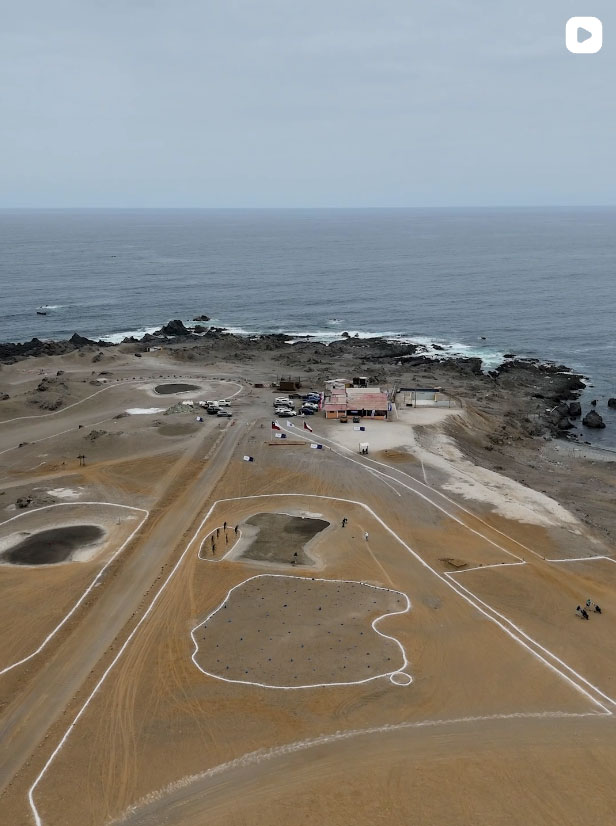
A concrete example of the application of these technologies is the “Blueberries in the Desert” project led by SQM in the locality of Pintados (Tarapacá Region). Because of the absence of natural agricultural soil, the land had to be “manufactured” by transporting special sand and improving its structure.
Today, this pilot integrates 26 blueberry varieties monitored in real time through sensors that measure drainage and salinity. Fed entirely by fertigation systems powered by photovoltaic solar panels, the project has not only managed to bring export-quality fruit to bloom, but also shows that a technology-equipped hectare in the desert can produce twice as much as in conventional agricultural areas of Chile.
Related newsSee all news →

Rate certificates
Beginning with tax year 2020, Professional Fees Certificates must be requested by email, indicating your name and national identity card number.
Email us at [email protected] to access this information.

Supplier consultation
Dear suppliers:
If you have any questions regarding Purchase Orders (POs), please send us the document in PDF or JPG format (photograph) to the following email address: [email protected].
Please ensure that the PO is legible, especially the following fields: Company Name, order number, and the buyer’s name and contact details.
We will respond to your inquiries within 24 hours.