Agriculture, Energy, and Training: Three Pillars for Strengthening Desert Communities
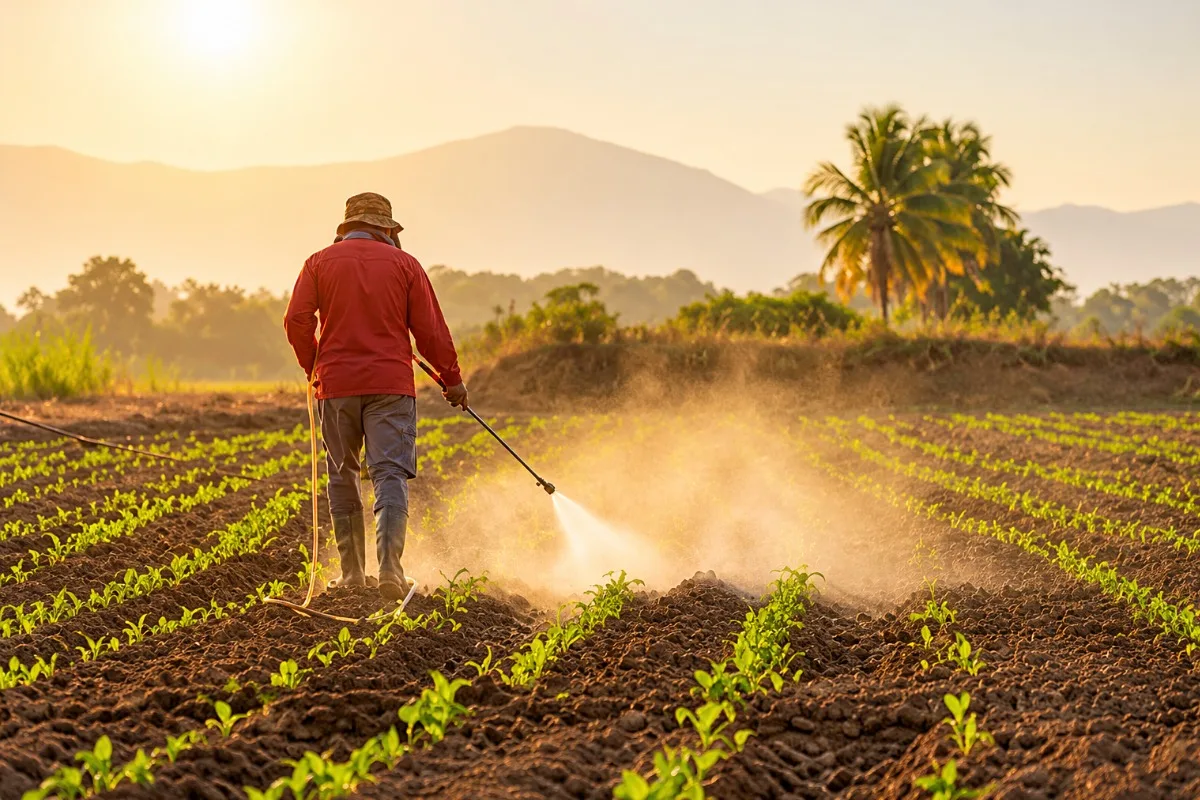
Agricultural development in arid areas depends on multiple factors. The combination of infrastructure, energy, and technical training makes it possible to strengthen community capacities and create new opportunities for local production.
Farming communities in northern Chile face challenges related to water availability, access to infrastructure, and the adoption of new technologies. Overcoming them requires a perspective that integrates different elements of rural development.
A Comprehensive Approach to Territorial Development
Desert farming communities face challenges related to water availability, distance from urban centers, access to energy, and the adoption of new technologies.
Each of these factors influences the continuity of production activity and the quality of life of families. An infrastructure project can lose effectiveness when the community lacks the energy to operate it.
An agricultural technology can be underused when there is no training. A training program can have little impact when producers do not have adequate facilities in which to apply the knowledge they have acquired.
For this reason, territorial development requires an integrated vision. Agriculture, energy, and training work as complementary pillars that make it possible to create conditions for local growth.
First Pillar: Agriculture Adapted to Desert Conditions
Agriculture in arid areas requires systems adapted to water scarcity, extreme temperatures, and soil characteristics.
Applicable solutions include:
- Hydroponics.
- Protected agriculture.
- Specialized substrates.
- Nutrient solutions.
- Fertigation.
- Research infrastructure.
- Technical training.
These tools make it possible to use available resources in a planned way and to develop production models in line with the conditions of the territory.
The Value of Local Agricultural Production
Agriculture serves a productive and social function. It can generate income, preserve traditional knowledge, strengthen community organization, and help families stay in their localities.
In isolated areas, agricultural activity also helps create collaboration networks. Producers share experiences, equipment, lessons learned, and solutions to common problems.
Strengthening local agriculture requires projects capable of responding to the real needs of each community.
Second Pillar: Energy for Daily Life and Production
Access to energy influences many aspects of rural life. It makes lighting, the use of appliances, food preservation, and the operation of equipment possible.
In agriculture, energy can support:
- Pumping systems.
- Irrigation equipment.
- Facility lighting.
- Greenhouses.
- Monitoring systems.
- Refrigeration.
- Smaller-scale tools and machinery.
Renewable solutions are especially relevant in localities far from the power grid.
Solar Energy in Rural Communities
Solar energy makes it possible to generate electricity through photovoltaic panels. Stand-alone systems can incorporate panels, batteries, and inverters to power homes or production infrastructure.
In Bajo Soga, 15 families took part in an electrification initiative using home solar systems. The project grew out of the 2023-2024 Open Innovation Program and the work with the Bajo Soga Working Group.
The equipment developed by Solbox included photovoltaic panels, lithium batteries, and inverters. The initiative improved access to electricity and the living conditions of the families who benefited.
This case shows how energy can act as an enabler of other development processes.
Third Pillar: Training to Incorporate New Tools
Infrastructure and technology require knowledge to be used correctly. Training allows farmers and livestock producers to understand how new solutions work and adapt them to their reality.
Training programs can cover subjects such as:
- Plant nutrition.
- Substrate management.
- Hydroponics.
- Fertigation.
- Efficient water use.
- Infrastructure operation.
- Basic maintenance.
- Production management.
Training also creates spaces for exchange among producers, specialists, and organizations.
Training in Bajo Soga
Farmers from Bajo Soga took part in a session on substrates and nutrient solutions at the Agricultural Research and Development Center in La Tirana.
The activity was part of the Atacama Tierra Fértil program and sought to bring technical tools closer to producers. The content made it possible to review concepts related to plant nutrition and cropping systems.
Sessions of this kind strengthen local capacities and help innovation translate into applicable practices.
Caleta Urco: Energy Applied to Hydroponic Production
In Caleta Urco, the Agrupación Las Urqueñas made progress in implementing an energy system intended to strengthen hydroponic production.
The initiative was developed through Atacama Tierra Fértil and the Más Litio Menos Huella call for proposals, with the participation of SQM and LitioHM.
The project links energy, agricultural production, and innovation. It also shows how a production need can become a solution developed with the participation of different stakeholders.
Pozo Almonte: Research and Technology Transfer
The Agricultural Research and Development Center in Pozo Almonte includes a hydroponic greenhouse and spaces for research, training, and technology transfer.
Its purpose is to bring new tools closer to farmers and livestock producers, making it possible to evaluate production systems adapted to desert conditions.
This case represents the integration of infrastructure, knowledge, and agricultural development.
Infrastructure for Research and Learning
Infrastructure is a fourth cross-cutting element that connects the three pillars.
Research centers, greenhouses, and training spaces make it possible to:
- Conduct trials.
- Evaluate technologies.
- Carry out training activities.
- Share experiences.
- Adapt solutions to the territory.
- Observe results in real conditions.
The Agricultural Research and Development Center in Pozo Almonte is an example of this function. Its hydroponic greenhouse and training spaces seek to bring innovation closer to farmers and livestock producers in the Tamarugal province.
How the Three Pillars Relate to One Another
Agriculture, energy, and training form an interdependent system.
| Pillar | Main Function | Relationship to the Others |
|---|---|---|
| Agriculture | Generate productive activity | Requires energy, infrastructure, and knowledge |
| Energy | Enable services and equipment | Facilitates agricultural processes and improves livability |
| Training | Develop capacities | Makes it possible to adopt and maintain new technologies |
| Infrastructure | Create spaces for application | Connects research, production, and learning |
The impact grows when projects address these elements in a coordinated way.
SQM’s Role in These Initiatives
SQM takes part in agricultural and community projects through programs such as Atacama Tierra Fértil, Open Innovation, and Más Litio Menos Huella.
Its participation includes:
- Infrastructure support.
- Connection with technology providers.
- Training.
- Knowledge transfer.
- Development of projects together with local organizations.
These initiatives make it possible to present SQM as a player that contributes to agricultural and community strengthening in northern Chile.
Communities with Greater Capacity to Face the Future
Desert agriculture requires projects that integrate technology, infrastructure, and knowledge. Access to energy makes it easier for new solutions to operate. Training makes it possible to use and adapt them. Agricultural production creates economic opportunities and strengthens local identity.
The experiences of Bajo Soga, Caleta Urco, and Pozo Almonte show different ways of combining these pillars. Together, they make it possible to build a narrative about territorial development based on capacities, collaboration, and solutions adapted to the desert.
Related newsSee all news →
 La ruta comercial
Rate certificates
Beginning with tax year 2020, Professional Fees Certificates must be requested by email, indicating your name and national identity card number.
Email us at [email protected] to access this information.
Supplier consultation
Dear suppliers:
If you have any questions regarding Purchase Orders (POs), please send us the document in PDF or JPG format (photograph) to the following email address: [email protected].
Please ensure that the PO is legible, especially the following fields: Company Name, order number, and the buyer’s name and contact details.
We will respond to your inquiries within 24 hours.