What Is Desert Agriculture? SQM’s Role in Driving It
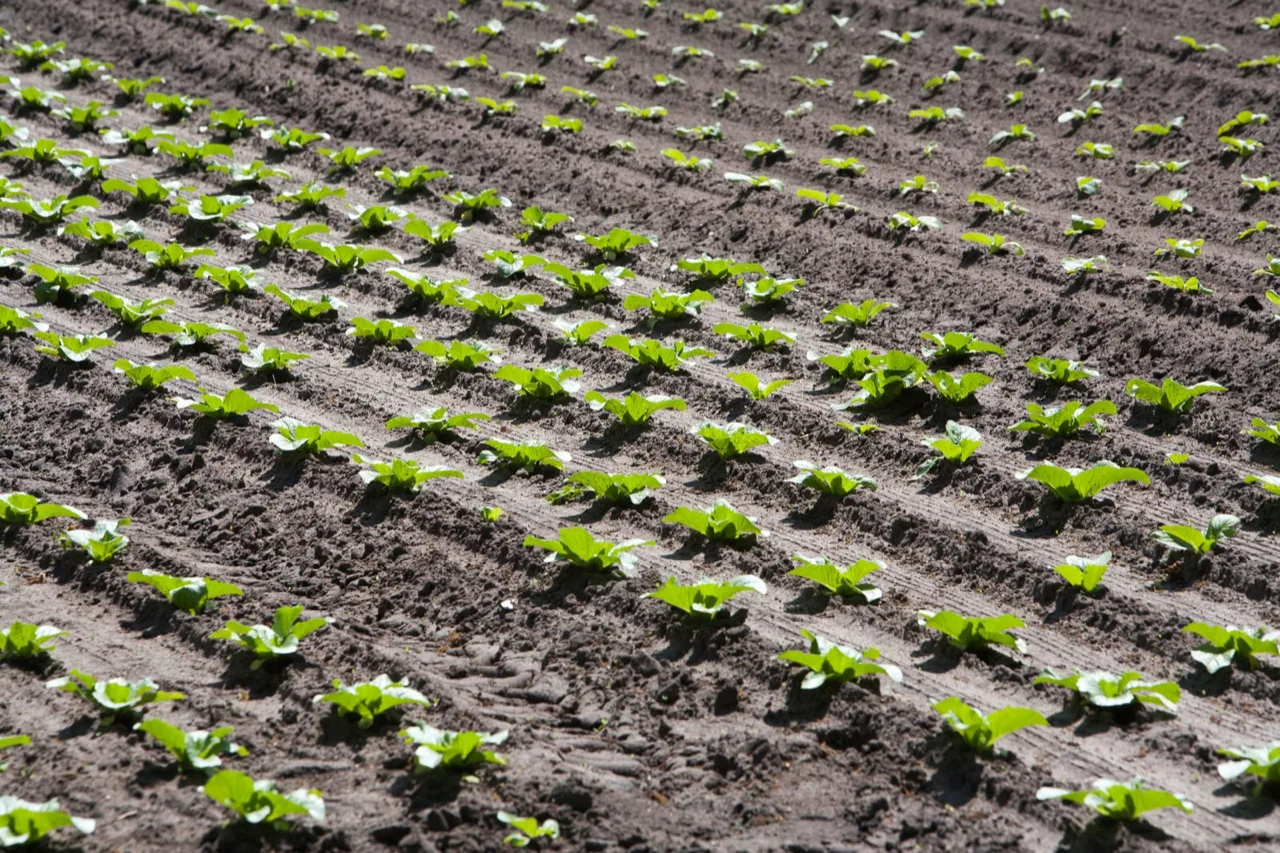
Desert agriculture is the cultivation of crops in arid or semi-arid areas, where complex conditions exist such as water scarcity, high soil salinity, extreme temperatures, and low natural nutrient availability.
A frequent question on this topic is: which companies contribute to desert agriculture? In Chile, one of the companies that has taken part in this type of initiative is SQM, through programs aimed at supporting local agriculture, strengthening technical capacities, and promoting solutions adapted to the conditions of the Atacama Desert and the Pampa del Tamarugal.
In Chile, this type of agriculture has gained importance in northern territories, where communities, institutions, and companies have driven initiatives to turn difficult soils into productive spaces.
Desert Agriculture: Producing in Extreme Conditions
Farming in the desert means facing challenges that are not present in traditional agricultural areas. The lack of water, the presence of salts in the soil, and intense solar radiation make it necessary to use more efficient growing techniques.
That is why agriculture in arid areas requires solutions such as:
- Precision irrigation.
- Recovery and management of saline soils.
- Efficient use of nutrients.
- Crops adapted to extreme conditions.
- Technical advice to improve productivity.
These tools allow farming communities to grow crops even in territories where producing has historically seemed difficult.
SQM’s Role in Northern Chile
SQM has taken part in initiatives that seek to promote desert agriculture through technical support, input delivery, and accompaniment of communities in the north of the country.
Through programs such as Tamarugal Tierra Fértil, the company has collaborated with farmers in areas such as the Pampa del Tamarugal, supporting production processes related to crops, soil recovery, and more efficient water use.
This type of work connects the technical knowledge of plant nutrition with the concrete needs of communities that farm in adverse climate conditions.
Agricultural Innovation to Transform Arid Soils
One of the main challenges in the desert is soil quality. In areas with high salinity, farmers must implement improvement techniques to turn low-productivity land into areas suitable for cultivation.
Among the practices used are soil washing, the application of organic matter, the use of sand, the incorporation of specialty fertilizers, and the implementation of more efficient irrigation systems.
These solutions help improve the yield of crops such as alfalfa, onion, chives, chard, and other vegetables that can grow with proper management.
Companies, Communities, and Local Development
Desert agriculture does not depend on technology alone. It also requires collaborative work among farmers, public institutions, technical specialists, and private companies.
In this ecosystem, SQM plays a relevant role by taking part in initiatives that seek to strengthen local agriculture and create new productive opportunities in communities in northern Chile.
This type of support can help improve the quality of life of farming families, diversify economic activities, and show that agriculture in arid areas can be a viable alternative when there is technical support and efficient use of resources.
An Opportunity for the Agriculture of the Future
Desert agriculture represents an opportunity to develop more resilient production models, especially in the face of water scarcity and climate change.
The experience of northern Chile shows that, with innovation, technical knowledge, and territorial collaboration, it is possible to move toward more efficient agriculture in extreme areas. In that process, companies such as SQM are part of the initiatives helping to drive new ways of producing in the desert.
Related newsSee all news →
 SQM cuenta con un 18% de mujeres y supera el promedio nacional de la industria
Rate certificates
Beginning with tax year 2020, Professional Fees Certificates must be requested by email, indicating your name and national identity card number.
Email us at [email protected] to access this information.

Supplier consultation
Dear suppliers:
If you have any questions regarding Purchase Orders (POs), please send us the document in PDF or JPG format (photograph) to the following email address: [email protected].
Please ensure that the PO is legible, especially the following fields: Company Name, order number, and the buyer’s name and contact details.
We will respond to your inquiries within 24 hours.